
Canon EF 75-300mm f/4-5.6 III Telephoto Zoom Lens for Canon SLR Cameras
4.7Editor score
Lightweight portable design
Smooth zoom mechanism
Affordable entry-level price
Compatible with Canon DSLR
This guide compares the top ten camera lenses for long distance wildlife photography to help you choose the best telephoto zoom for capturing sharp images of
Wildlife photography demands exceptional reach and clarity to capture distant subjects without disturbance. A dedicated telephoto lens is essential for freezing motion and isolating details in the natural environment. Choosing the right glass ensures your gear performs reliably in challenging outdoor conditions.
We analyzed ten highly rated lenses covering various mounts and budget ranges. Our comparison focuses on optical quality, stabilization, autofocus speed, and ergonomic design for handheld use. Each product offers unique strengths for different shooting scenarios and camera systems.
Every pick highlights key specifications and real-world performance traits derived from expert evaluations. Note that stock availability and pricing fluctuate frequently based on demand and promotions. Always verify current offers before purchasing to ensure you get the best value for your setup.
4.7Editor score
4.7Editor score

4.2Editor score
The following table provides a side-by-side overview of key specifications for each lens. Use this reference to quickly identify focal lengths, stabilization features, and compatibility with your specific camera system before making a final decision.



This lens delivers unmatched flexibility for wildlife photographers needing extreme reach. It features a super-telephoto zoom from 200mm to 800mm with image stabilization for handheld shots.
We may earn a commission when you buy through this link, at no additional cost to you.
The advanced USM autofocus system captures fast subjects quickly and quietly even at long distances. Despite its reach, the lens remains compact and field ready for travel adventures.
The variable aperture can limit low light performance but image stabilization compensates well. This trade-off is acceptable given the versatility provided by such a wide zoom range.
It is ideal for birding and nature photography where distance is a major factor. We recommend this bundle for serious enthusiasts seeking top tier performance.
The range from 200mm to 800mm allows you to frame distant subjects tightly or pull back for context without changing lenses.
Built-in image stabilization supports handheld shooting and tracking so you can capture sharp images without a tripod in many situations.
We may earn a commission when you buy through this link, at no additional cost to you.
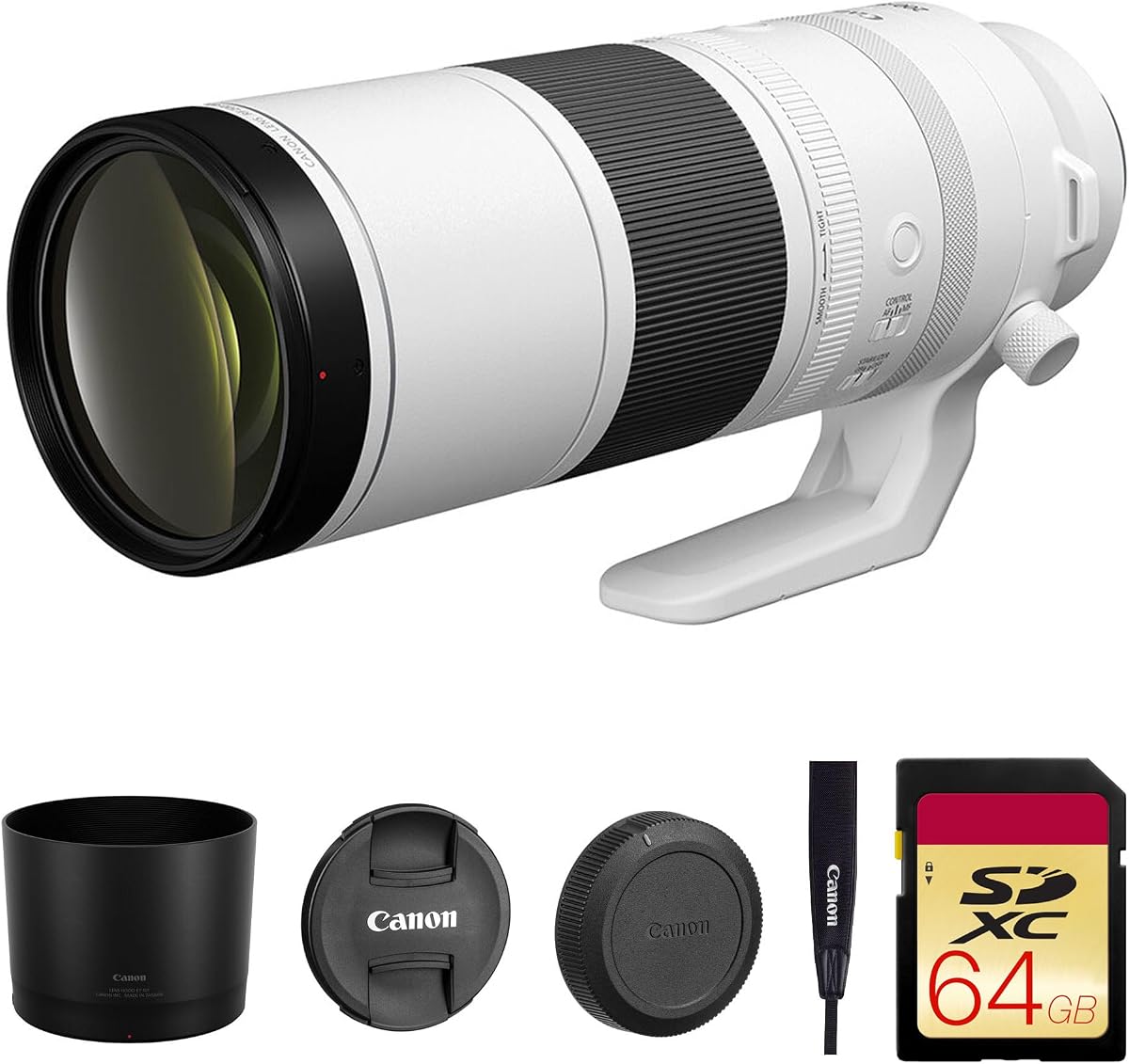
This lens sets a new standard for mirrorless telephoto zooms with an 800mm reach. It is engineered for comfortable handheld shooting and excellent mobility in the field.
We may earn a commission when you buy through this link, at no additional cost to you.
Its optical design maintains high image quality throughout the zoom range. Compatibility with extenders allows even further reach for distant subjects like birds in flight.
The variable aperture requires careful exposure control in changing light but offers great versatility. The compact build makes it easier to carry during long hikes.
Photographers seeking the best optical performance for RF mount should consider this option. It balances reach and weight better than most competitors.
Compatible with Extender RF1.4x and Extender RF2x at all focal lengths allowing you to push beyond 800mm when needed.
Powerful telephoto capabilities with a zoom range from 200mm through 800mm cover diverse shooting scenarios from portraits to distant wildlife.
We may earn a commission when you buy through this link, at no additional cost to you.
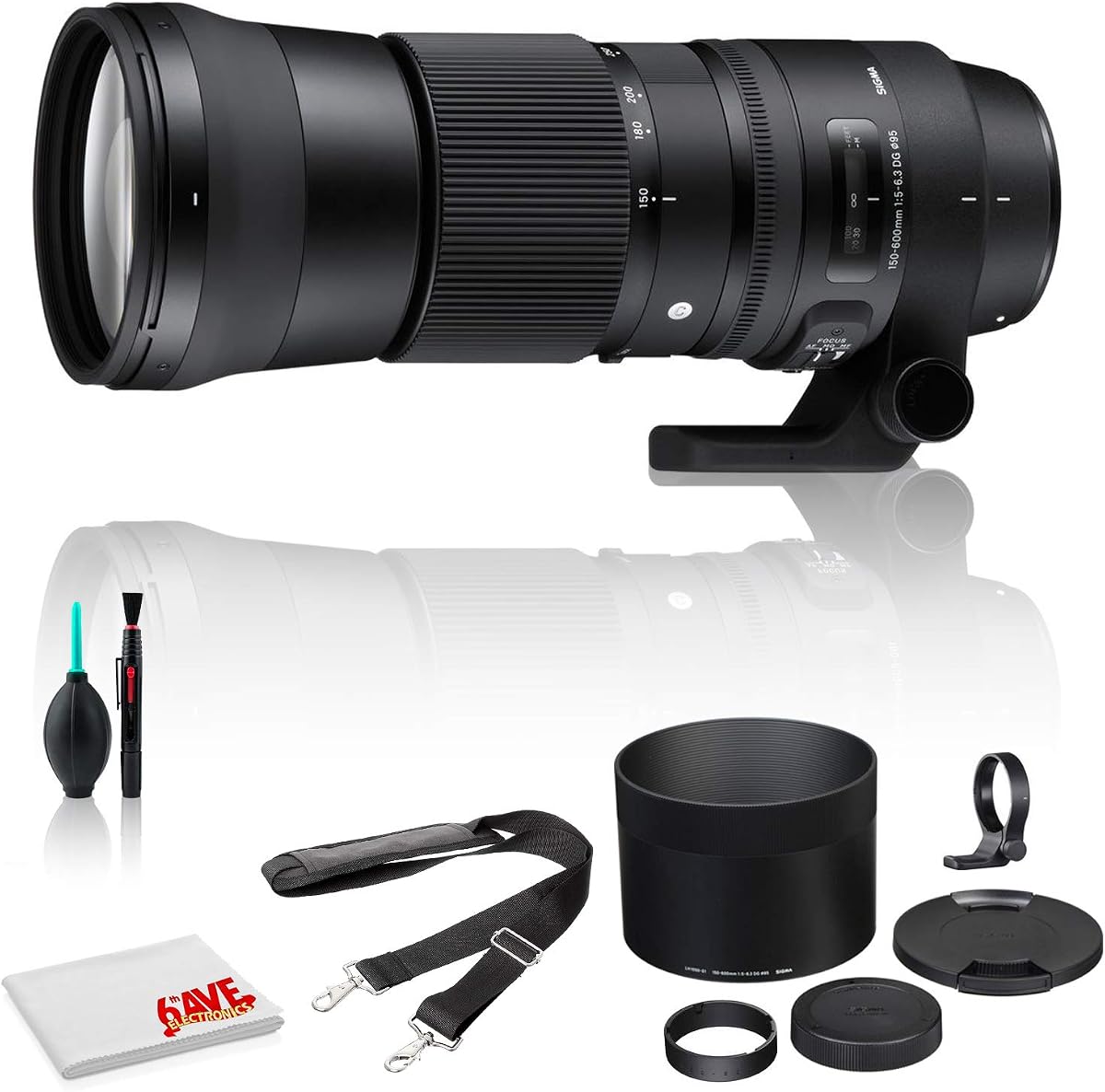
This contemporary lens offers a solid 600mm reach for Canon EF mount users. It includes optical stabilization to help manage camera shake at long focal lengths.
We may earn a commission when you buy through this link, at no additional cost to you.
The Hyper Sonic Motor ensures quick and quiet autofocus for tracking moving subjects. One FLD and three SLD elements reduce chromatic aberrations for sharp images.
It is heavier than mirrorless equivalents which may require a tripod for extended sessions. The included cleaning kit adds value for outdoor field maintenance.
Wildlife shooters on a budget who own a DSLR will find this lens reliable. It provides excellent focal length coverage without the premium cost of top tier options.
Optical Stabilizer with Accelerometer helps keep your shots steady even when handheld at 600mm for sharper results.
One FLD and Three SLD Elements minimize aberrations to ensure your wildlife images remain crisp and true to color.
We may earn a commission when you buy through this link, at no additional cost to you.
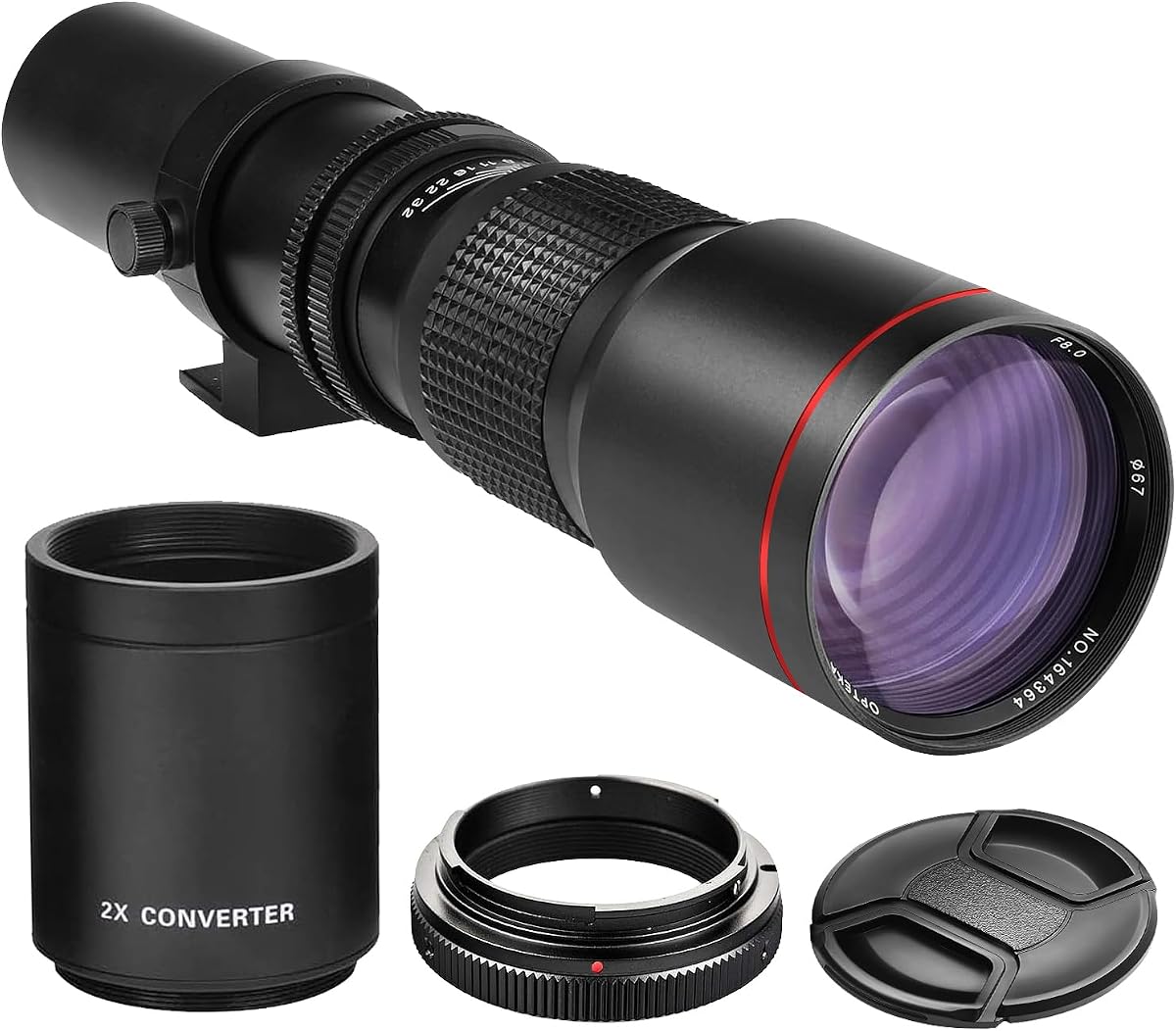
This lens provides an economical entry into super-telephoto photography with a 500mm to 1000mm range. It utilizes manual focus and aperture for complete creative control.
We may earn a commission when you buy through this link, at no additional cost to you.
High index low dispersion glass ensures clear photos every time despite the budget price. The 2X teleconverter doubles power for distant wildlife or landscapes.
Manual operation requires practice and steady hands especially at 1000mm. Beginners should expect a learning curve compared to modern autofocus lenses.
It is suitable for hobbyists willing to trade speed for affordability. If you have the patience for manual focusing this lens brings subjects closer affordably.
The 2X Teleconverter doubles the lens power to a groundbreaking 1000mm for extreme reach on a budget.
Fine-tune your shots with manual focus and aperture giving you complete creative control over your images.
We may earn a commission when you buy through this link, at no additional cost to you.
This classic lens covers a versatile 100-400mm range ideal for sports and wildlife. It features L-Series construction for durability and high image quality.
We may earn a commission when you buy through this link, at no additional cost to you.
Advanced optical construction uses fluorite and UD elements to minimize aberrations. Optical stabilization reduces camera shake improving handheld shooting performance significantly.
The ring-type USM provides fast and quiet autofocus with manual override. A dedicated panning mode helps track moving subjects smoothly.
Photographers needing a reliable zoom for general wildlife work will appreciate this balance. While older it remains a robust choice for EF mount users.
Built-in optical image stabilization reduces the appearance of camera shake by up to two shutter speed stops.
Professional L-series construction includes a removable rotating tripod collar for balanced support in any orientation.
We may earn a commission when you buy through this link, at no additional cost to you.
This lens offers a massive zoom range extending up to 1600mm with the included converter. It is designed for capturing clear long-distance shots affordably.
We may earn a commission when you buy through this link, at no additional cost to you.
Precision zoom capability provides flexibility from 420mm to 1600mm. EF-Mount compatibility ensures it fits your DSLR with ease for stable shooting.
Fixed aperture may limit light intake but keeps the design simple and compact. Manual operation requires steady hands especially at maximum magnification.
If budget is a primary concern this lens offers incredible reach for the price. It serves well for static subjects where autofocus is not critical.
The 2X Teleconverter doubles the lens power to a whooping 1600mm for extreme distance photography.
With its 420mm-800mm focal length and 62mm filter thread capture intricately detailed photos.
We may earn a commission when you buy through this link, at no additional cost to you.
This RF zoom lens balances weight and versatility for mirrorless shooters. It provides a 100-400mm range with optical image stabilization for handheld clarity.
We may earn a commission when you buy through this link, at no additional cost to you.
Optical Image Stabilizer offers up to 5.5 stops of shake correction. Pairing with IBIS cameras boosts this to six stops for sharper photos.
Nano USM ensures high speed and smooth autofocus performance. Minimum focusing distance allows for decent close up shots at 400mm.
Ideal for travelers who want reach without bulk this lens is a smart choice. It delivers high image quality in a package that fits easily in a backpack.
Optical Image Stabilizer with up to 5.5 Stops of shake correction helps keep your handheld shots steady.
High speed smooth and quiet autofocus with Canon's Nano USM ensures reliable subject tracking in wildlife scenarios.
We may earn a commission when you buy through this link, at no additional cost to you.
This is a classic entry-level telephoto offering a 75-300mm range for Canon SLR. It is lightweight and easy to handle for new photographers.
We may earn a commission when you buy through this link, at no additional cost to you.
Improved zoom mechanism makes zooming smoother during shooting sessions. The lens is compact enough to carry on short hikes easily.
Lack of image stabilization means higher shutter speeds are needed for sharp shots. Beginners may need a tripod or steady surface for optimal results.
It is an excellent first lens for those learning focal lengths. While basic it delivers decent image quality for the price point.
Improved mechanism makes zooming smoother and the front part of zoom ring sports a silver ring for style.
Measures 2.8 inches in diameter and 4.8 inches long and weighs 16.8 ounces for easy carrying.
We may earn a commission when you buy through this link, at no additional cost to you.
This bundle provides a super telephoto zoom with a 500mm end for Nikon DSLRs. It features Silent Wave Motor for rapid accurate autofocus.
We may earn a commission when you buy through this link, at no additional cost to you.
Vibration Reduction minimizes camera shake with up to 4.5 stops of correction. Three extra-low dispersion elements deliver superior clarity and color precision.
The rotating tripod collar provides stable balanced support for vertical shooting. It is durable and designed for professional outdoor use.
Professional wildlife shooters relying on Nikon bodies will find this lens reliable. Its performance justifies the investment for serious photography needs.
Silent Wave Motor ensures rapid silent and accurate autofocus complemented by full-time manual focus override.
The Vibration Reduction image stabilization system minimizes the impact of camera shake providing up to 4.5 stops of stabilization.
We may earn a commission when you buy through this link, at no additional cost to you.
This renewed version offers the same 75-300mm optical design at a lower cost. It provides a budget friendly path to telephoto photography for Canon users.
We may earn a commission when you buy through this link, at no additional cost to you.
The improved zoom mechanism ensures smooth operation. EF Mount compatibility and DC motor allow for straightforward autofocus on DSLRs.
Being renewed it may show cosmetic signs of prior use but performs well. Inspect the item upon arrival to ensure mechanical parts work perfectly.
It is suitable for photographers needing a backup or starter lens. If you want proven reliability without the new price this is a solid choice.
Improved mechanism makes zooming smoother and the front part of zoom ring sports a silver ring for style.
Measures 2.8 inches in diameter and 4.8 inches long and weighs 16.8 ounces for easy handling.
We may earn a commission when you buy through this link, at no additional cost to you.
Selecting the right telephoto lens requires understanding focal length, stabilization, and mount compatibility. This guide breaks down key factors to help you match gear to your needs.
Focal length dictates how close subjects appear in your frame. For wildlife, ranges like 200-800mm or 150-600mm provide the necessary distance to capture shy animals without intrusion.
Look for a lens that extends beyond 400mm to ensure you can fill the frame with distant subjects effectively.
Telephoto lenses magnify camera shake making stabilization essential for handheld shots. Optical stabilization systems compensate for vibration to deliver sharper results especially at full zoom.
Prioritize lenses with built-in stabilization if you plan to shoot without a tripod frequently.
Fast autofocus motors are critical for tracking moving animals. Modern lenses use motors like USM or Silent Wave for quick and quiet focus acquisition.
Ensure the lens features advanced autofocus technology to capture fleeting moments without delay.
Your camera body determines which lenses you can mount. DSLRs use EF or F mounts while mirrorless systems use RF or Z mounts.
Check your camera model before purchasing to avoid compatibility issues or needing extra adapters.
Long reach often comes with weight. Consider if you can handle the lens for extended periods or if you prefer a lighter option for hiking.
Lighter designs facilitate better handheld shooting and easier transport on outdoor adventures.
Glass construction affects clarity and color accuracy. Lenses with elements like UD or fluorite reduce aberrations for sharper and more vibrant images.
Invest in lenses with specialized glass if you require professional level image quality.
Prices range from affordable manual options to professional bundles. Determine how much you can spend and weigh it against performance and features.
Consider used or renewed options if you seek high-end performance at a lower cost.
Variable aperture lenses may lose brightness at longer zooms. A constant aperture helps maintain exposure but adds to cost and weight.
Accept variable aperture for value but be prepared for lower shutter speeds in dim environments.
When shooting wildlife, stabilize your body or use a tripod to minimize shake at long focal lengths. Keep your shutter speed fast to capture motion clearly.
Clean the front element regularly with a soft brush or microfiber cloth to remove dust and water spots. Avoid touching glass with fingers to prevent smudges.
Store your lens in a dry cool place when not in use. Keep caps on both ends to protect against dust and accidental scratches.
For most wildlife, a minimum of 400mm is recommended. Lenses offering 600mm or 800mm provide superior reach for distant subjects without disturbing them.
Yes, most EF lenses work on APS-C bodies with a multiplier that increases effective reach. For example, a 200mm lens acts like 320mm on a 1.6x crop.
While some lenses are lightweight enough for handheld shooting, a tripod or monopod helps stabilize heavy telephotos. This is especially true for long sessions.
Yes, optical stabilization helps counteract camera shake when shooting handheld. It is crucial for maintaining sharpness at 600mm or beyond.
Most super-telephoto zooms have variable apertures like f/5.6 to f/8. These are acceptable for daylight shooting but limit low light performance.
Manual lenses are affordable but difficult to track fast animals. They are best for static subjects or patients photographers willing to practice manual focusing.
Use a blower to remove dust and a lens pen for smudges. Avoid using harsh chemicals and ensure the front element is dry before storing.
Check the mount type such as EF or RF. Ensure the lens matches your camera system before purchasing to guarantee full functionality.
Choosing a lens for long distance wildlife depends on your camera system and budget. The top picks cover a wide range of needs from entry-level to professional tiers.
Prioritize focal length and stabilization to ensure you can capture sharp images effectively. Weigh the benefits of manual versus autofocus options based on your shooting style.
Remember that prices and availability can change rapidly. Verify current offers before you finalize your purchase to ensure you get the best value for your setup.