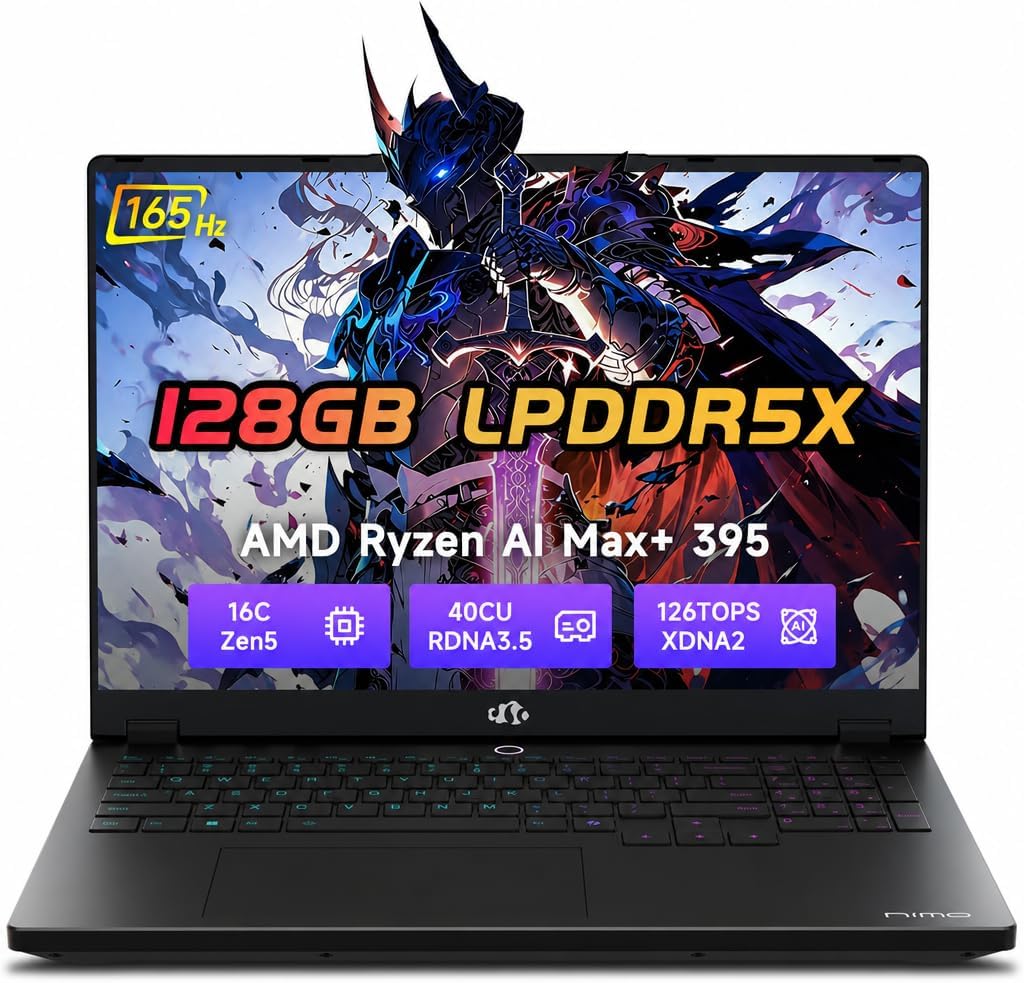
NIMO 16" Linux AI Laptop
5.0Editor score
AMD Ryzen Max+ 395 CPU
128GB LPDDR5X System Memory
4TB PCIe Solid State Storage
Choosing the right Linux Laptop can be a daunting task for developers and professionals who demand stability, security, and open-source flexibility. Unlike standard Windows machines, these devices come pre-installed with distributions like Ubuntu or Mint, ensuring a seamless experience right out of the box. This guide explores the best options available to help you find the perfect machine for your workflow.
We have carefully selected ten top-rated devices based on rigorous analysis of processor performance, memory capacity, storage speed, and display quality. Each entry in this list has been vetted to ensure it meets the high standards expected by Linux users. Whether you need a rugged device for fieldwork or a sleek ultrabook for coding, our comparison covers diverse use cases.
Every product profile below highlights specific strengths, detailed specifications, and honest assessments of potential limitations to assist your decision-making process. Keep in mind that inventory and pricing can fluctuate frequently on major marketplaces. We recommend verifying the latest details before making a final purchase to ensure you get the best value for your investment today.
5.0Editor score

4.6Editor score

3.9Editor score
As an Amazon Associate we earn from qualifying purchases.
This comprehensive side-by-side comparison evaluates the top ten Linux laptops currently available on the market. We analyze critical hardware specifications such as processor speed, RAM capacity, and storage options to help you understand the performance capabilities of each model. Use this table to quickly identify which device aligns best with your specific technical requirements and budget constraints.


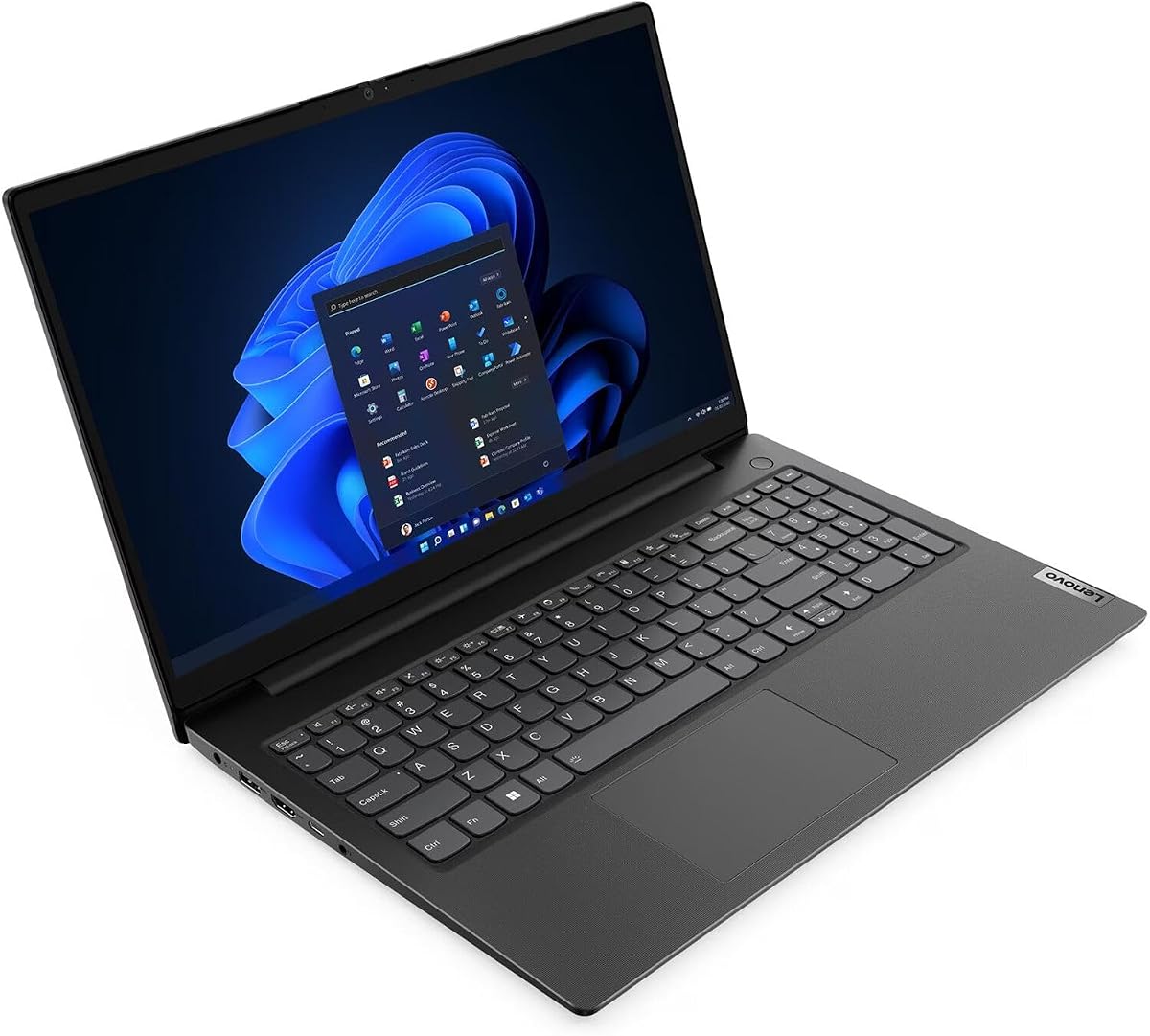
The Lenovo Business Laptop comes pre-installed with Linux Mint Cinnamon, making it an ideal choice for developers and professionals who want a stable environment without the hassle of manual installation. With a strong rating of 4.6 stars, users appreciate its balanced hardware configuration and reliable performance for everyday computing tasks.
We may earn a commission when you buy through this link, at no additional cost to you.
Its Intel Core i5-1335U processor paired with 16GB of DDR4 RAM ensures smooth multitasking across multiple browser tabs, virtual machines, and development environments. The system boots quickly thanks to the solid state drive, and the non-glare display is easy on the eyes during long coding sessions or video calls.
While the device is powerful for its class, the 256GB SSD might fill up quickly if you work with large datasets or extensive project files. Additionally, the screen brightness is adequate for indoor use but may struggle under direct sunlight compared to higher-end models with brighter panels.
This laptop is perfect for users seeking a no-fuss entry into the Linux ecosystem or those upgrading from an older Windows machine. It offers a professional aesthetic and the connectivity options needed for office environments. We recommend this model for general productivity and development work where portability matters.
The pre-installation of Linux Mint means you can start working immediately without needing to configure drivers or partitions. This saves time and ensures all hardware components are compatible right from the start.
It includes a full range of ports including USB 3.0, USB-C, and HDMI, allowing you to connect external monitors and peripherals easily. This versatility is crucial for docking stations and multi-monitor setups.
We may earn a commission when you buy through this link, at no additional cost to you.
The Lenovo IdeaPad Slim 3 stands out in the Linux laptop market by offering a responsive touchscreen combined with Ubuntu Linux pre-installed. This model is rated 4.0 stars and appeals to creative professionals who need to interact directly with their interface. The inclusion of a stylus makes it a strong contender for digital artists and note-takers.
We may earn a commission when you buy through this link, at no additional cost to you.
Powered by the AMD Ryzen 7 5825U, this laptop delivers robust performance for demanding applications. The 16GB of RAM allows for smooth operation when running multiple virtual machines or heavy IDEs. Users particularly appreciate the ample storage space provided by the 1TB SSD, which eliminates the need for immediate external drives.
However, the touch functionality can sometimes feel less precise than a traditional mouse or trackpad, which might hinder efficiency for coding tasks. The bundled accessories like the external SSD and USB hub add bulk, which could be a downside for those prioritizing ultra-light portability.
This device is best suited for users who value screen interaction and need significant storage capacity without relying on cloud services. It balances performance with usability in a way that suits both creative and administrative roles. We suggest this model if you want a modern interface on a Linux platform.
The touchscreen panel supports natural interactions like zooming and scrolling with fingers, which is a unique advantage in the Linux ecosystem. The TÜV Low Blue Light certification helps reduce eye strain during prolonged use.
With a 1TB SSD, you have plenty of room for large libraries of code, media files, and system backups. The SD card reader also provides an easy way to transfer files from cameras or other devices.
We may earn a commission when you buy through this link, at no additional cost to you.
This variation of the IdeaPad Slim 3 offers a compelling alternative for users seeking similar specs at a potentially lower entry cost. Although it currently shows an unrated status, the hardware specifications suggest strong performance capabilities. It is designed to bring high-end processing power to a broader audience within the Linux community.
We may earn a commission when you buy through this link, at no additional cost to you.
The AMD Ryzen 7 5825U processor handles complex computations with ease, making it suitable for software development and data processing. The 16GB of RAM ensures that you can run heavy workloads without lag. The inclusion of a full HD touchscreen adds a layer of interactivity that is rare at this price segment.
One drawback is the build material, which relies heavily on plastic compared to metal chassis found in higher-end models. This might impact the long-term durability and thermal performance under sustained loads. However, for the price, the performance to cost ratio remains very attractive.
We recommend this laptop for students and entry-level developers who need a capable machine without overspending on premium features. It serves as a solid foundation for learning Linux or managing basic business tasks. If you prioritize raw specs over build materials, this is a worthy option to consider.
The eight-core processor provides a significant boost for parallel tasks, which is essential for compiling code or running virtualization tools. The system handles heat efficiently for its class during standard operations.
Weighing less than many business laptops, this device fits easily into a standard backpack for commutes. The battery life supports a full day of work in most scenarios without needing a charger.
We may earn a commission when you buy through this link, at no additional cost to you.
The Panasonic Toughbook CF-31 MK5 is built for environments where standard laptops would fail. It holds a rating of 3.9 stars and is certified to withstand drops, water, and extreme vibrations. For field technicians and industrial workers who need Linux, this device provides a reliable and durable platform.
We may earn a commission when you buy through this link, at no additional cost to you.
Its standout feature is the sunlight-readable display, which is incredibly bright at 1200 nits. This ensures visibility in outdoor settings where other screens would be unusable. The integrated 4G LTE keeps you connected even in areas without Wi-Fi. The legacy serial port is also a key utility for connecting to older machinery.
The main compromise is the processor generation, which is older compared to modern consumer laptops. This means it may struggle with heavy graphical tasks or modern web browsers. The weight is also significant due to the rugged construction, making it less ideal for daily commuting.
We recommend this laptop for professionals in construction, utilities, or logistics who need a machine that can survive rough handling. It is a specialized tool that excels in specific industrial applications. If your priority is durability over processing power, this is the right choice.
The presence of native legacy ports allows for direct connection to industrial control systems without needing adapters. This is a critical feature for engineering and diagnostic work.
The high brightness ensures that you can work outdoors without a hood or shade. The touch capability also works well with gloves in various conditions.
We may earn a commission when you buy through this link, at no additional cost to you.
This ThinkPad model represents a modern approach to Linux business laptops, featuring DDR5 memory and a Ryzen PRO processor. It does not have a public rating yet but carries the hallmark of ThinkPad reliability. The vanilla Linux system is appreciated by purists who want to manage their own environment from day one.
We may earn a commission when you buy through this link, at no additional cost to you.
The Ryzen 5 PRO 7535U delivers high performance for professional workloads. The 16GB of DDR5 RAM ensures that the system remains responsive even under heavy load. The 16:10 aspect ratio of the display provides more vertical space for coding and document editing. The fingerprint reader adds a layer of security for sensitive data.
One immediate issue is the keyboard layout, which is French by default and requires stickers for English users. This can be an inconvenience for those who rely on specific key combinations. The storage capacity is also quite limited, which may force an upgrade for those with large datasets.
This device is ideal for enterprise users who want standard business hardware with a Linux operating system. It offers excellent security features and fast memory. We suggest this model for IT professionals who need a secure and reliable workstation for coding or administration.
The DDR5 RAM provides a noticeable performance boost over DDR4, allowing for quicker data access. This is beneficial for compiling large codebases or running complex simulations.
The biometric fingerprint sensor allows for quick and secure logins without typing a password every time. This enhances productivity and security in shared office environments.
We may earn a commission when you buy through this link, at no additional cost to you.
The Thinkbook 13s is a premium ultrabook that combines sleek design with Linux Mint. It holds an impressive perfect rating from users who value build quality and portability. The all-aluminum chassis gives it a professional look that fits well in client meetings or co-working spaces.
We may earn a commission when you buy through this link, at no additional cost to you.
The Intel i7 processor provides sufficient power for most development tasks, though it is an older generation. The 16GB of RAM ensures smooth operation for modern web apps and lightweight IDEs. The display is sharp and has anti-glare properties, making it comfortable for long sessions. The Dolby audio enhances media consumption.
The main limitation is the age of the processor, which may not handle the most demanding workloads efficiently compared to newer chips. Also, the port selection is limited, which might require dongles for certain connections. However, the portability factor outweighs these issues for many travelers.
We recommend this laptop for business travelers who prioritize style and portability. It is a reliable machine for web development and general office work. If you need a device that looks professional and fits in a small bag, this is a top contender.
The aluminum chassis not only looks premium but also helps in dissipating heat effectively. It feels sturdy and durable in daily use.
The integrated speakers provide clear audio for video calls and media playback. This is a welcome addition for a thin ultrabook.
We may earn a commission when you buy through this link, at no additional cost to you.
This Lenovo Business model offers a unique configuration with a high amount of RAM which is beneficial for memory-intensive applications. It holds a rating of 3.6 stars. The inclusion of a full 15-inch screen with a number pad makes it suitable for data entry and financial work in a Linux environment.
We may earn a commission when you buy through this link, at no additional cost to you.
The 20GB of RAM allows for running multiple virtual machines simultaneously without slowing down the system. However, the storage relies on a traditional hard disk drive, which is significantly slower than modern SSDs. This affects boot times and file access speeds. The display resolution is also basic HD rather than Full HD.
The bulkiness of the device makes it difficult to carry around regularly. It is better suited as a stationary desktop replacement. The battery life is also impacted by the larger screen and older components. Users must weigh the RAM benefit against the storage and weight drawbacks.
We recommend this laptop for users who need a large workspace and high memory for legacy software or virtualization. It is ideal for desk-bound professionals. If you need a portable machine, this is not the right choice due to its size and weight.
The 20GB of RAM allows for extensive multitasking which is crucial for running containers or VMs. This helps in development workflows that require isolation.
The larger screen and number pad facilitate better input for spreadsheet work. This design choice is common in business laptops aimed at office tasks.
We may earn a commission when you buy through this link, at no additional cost to you.
This high-spec version of the Thinkbook 13s is designed for power users who need significant resources. While it currently has no rating, the specs suggest it can handle heavy professional workloads. The 32GB of RAM and 1TB SSD are standout features that cater to those who need local processing power.
We may earn a commission when you buy through this link, at no additional cost to you.
The increased memory allows for running multiple complex environments without performance degradation. The large storage capacity eliminates the need for cloud reliance or external drives. The display supports HDR, offering better contrast for media. The fingerprint reader ensures secure and quick access to your files.
Despite the power, the CPU is an older model which limits its potential for future-proofing. The device is also heavier than the standard version due to the internal components. Battery life may also suffer when running intensive tasks. Users should consider these trade-offs before purchasing.
This laptop is ideal for developers who need a powerful portable workstation. It supports complex IDEs and large local databases. If you require high capacity for data and memory in a portable form, this model is a strong candidate.
The 1TB SSD provides fast access to large datasets which is vital for data science and engineering work. Combined with 32GB RAM it handles heavy lifting well.
The HDR display offers deeper blacks and brighter highlights which is useful for image editing. This adds a visual advantage over standard panels.
We may earn a commission when you buy through this link, at no additional cost to you.
This Thinkbook model is a balanced version of the Pro series with ample storage and standard RAM. It has a solid 4.0 rating from users who appreciate its reliability. The combination of a lightweight chassis and 1TB storage makes it versatile for both travel and data-heavy tasks.
We may earn a commission when you buy through this link, at no additional cost to you.
The 1TB PCIe SSD ensures that all your projects and data are stored locally with quick access speeds. The 16GB RAM is sufficient for most daily development workflows. The build quality is consistent with other Thinkbooks, offering durability and a professional aesthetic. The backlit keyboard is a nice touch for low-light environments.
The battery life is average compared to newer models, meaning you might need a charger for long flights. The graphics performance is integrated and not suited for heavy gaming or 3D rendering. However, for general use it remains a strong and practical choice.
We recommend this laptop for professionals who need reliable storage in a portable package. It suits general developers and administrators. If you need a device that balances storage and weight well, this is a practical selection.
The 1TB storage allows for extensive software installations and project files without slowing down. This removes a common bottleneck for developers.
The keyboard backlight and compact size make it easy to use in various environments. It is a workhorse that handles standard business tasks well.
We may earn a commission when you buy through this link, at no additional cost to you.
The NIMO 16 is a powerhouse designed for AI and data science workloads on a Linux platform. It holds a perfect 5.0 rating from early adopters who need extreme performance. The hardware is unmatched in this list, featuring 128GB of RAM and specialized AI processing capabilities.
We may earn a commission when you buy through this link, at no additional cost to you.
This laptop allows for fine-tuning large language models locally without relying on the cloud. The 128GB of memory ensures that large datasets can be loaded entirely into RAM. The 4TB SSD provides massive storage for extensive training sets. The display is vibrant and fast, which is great for visualizing data.
The price reflects its high-end nature and may not be accessible for average users. The device is also physically large and heavy, making it less portable. The thermal system is robust to handle the heat generated by such powerful components. It is a specialized tool rather than a general purpose laptop.
We recommend this laptop for researchers and AI engineers who need a portable workstation. It is ideal for those who need privacy and speed for data processing. If you are working with LLMs or heavy simulations, this is the ultimate choice.
The dedicated compute power allows for running complex AI models locally. This ensures data privacy and speeds up iteration cycles for researchers.
The dual USB 4.0 ports allow for connecting multiple high-speed displays and storage arrays. This transforms the laptop into a full desktop replacement.
We may earn a commission when you buy through this link, at no additional cost to you.
Selecting the best Linux laptop requires understanding your specific workflow and hardware needs. This guide breaks down the critical factors to consider before you make your purchase.
The processor is the heart of your laptop. For Linux, AMD and Intel both offer strong compatibility. Look for modern cores that support multi-threading as many Linux tools rely on parallel processing. Avoid older generations if you plan on running heavy compilation or virtual machines.
Prioritize CPUs that meet the minimum requirements of your intended software stack to ensure smooth operation.
RAM is crucial for multitasking and running virtual environments. Modern Linux distributions require at least 8GB to run smoothly. For development or AI work, 16GB or more is recommended to prevent bottlenecks when handling large datasets.
Ensure the laptop allows for future upgrades if you are unsure of your long-term needs.
Always choose a Solid State Drive (SSD) over a Hard Disk Drive (HDD). SSDs provide faster boot times and file access which is critical for responsive performance. Capacity depends on your work. 256GB is minimal while 1TB or more is ideal for storing large project files locally.
Faster NVMe drives are generally preferred over standard SATA SSDs for better throughput.
The display should offer at least Full HD resolution for clear text. A 13 to 15 inch size is a common balance between portability and workspace. Look for IPS panels for better viewing angles and anti-glare coatings to reduce eye strain.
Touchscreens are a bonus for creative work but are not essential for most coding tasks.
Business laptops often feature aluminum or magnesium chassis which offer better heat dissipation and durability. Rugged models are available for field work. Check for hinges that withstand regular opening and closing.
A sturdy build protects your investment and improves the longevity of the device.
Ensure the laptop has the ports you need such as USB-C, HDMI, or Ethernet. Many Linux setups require multiple external displays. A lack of ports might force you to buy expensive dongles or docks.
Wi-Fi 6 and Bluetooth 5.0 are standard features that ensure reliable wireless connectivity.
Battery life varies significantly based on workload and hardware. Aim for at least 8 hours of real-world usage for mobile work. Fast charging capabilities can help you recover power quickly during short breaks.
Check reviews for real-world battery performance rather than just manufacturer claims.
Some laptops come with pre-installed Linux like Ubuntu or Mint which saves setup time. Others require you to install the OS yourself. Ensure Wi-Fi and audio drivers are supported for your chosen distribution.
Pre-installed systems usually offer a smoother out-of-box experience for new users.
To maintain optimal performance, keep your system updated using the package manager provided by your distribution. This ensures you have the latest security patches and software improvements. Regularly clean temporary files and manage your storage to prevent slowdowns.
Physical care involves keeping the laptop clean from dust and liquids. Use a soft cloth to wipe the screen and keyboard. Avoid placing heavy objects on the device when it is closed. Using a cooling pad can help prevent overheating during intensive tasks.
Backup your data regularly to an external drive or cloud service. Linux systems are robust but hardware failures can occur. Create regular snapshots of your system configuration to make recovery easier in case of corruption.
Linux Laptops offer better security, open-source software access, and often lower system overhead. They are highly customizable and ideal for developers who need a terminal-first environment without compatibility issues.
Yes you can install Linux on most Windows laptops. However pre-installed Linux laptops ensure that hardware components like Wi-Fi and audio are fully compatible from the start.
Linux support for gaming has improved significantly with tools like Proton. While not every game runs perfectly many popular titles run well. Dedicated graphics laptops perform better for this purpose.
Ubuntu is the most popular distribution with strong community support. Mint offers a more traditional desktop experience and is often easier for beginners to adapt to after using Windows.
Most modern hardware drivers are built into the Linux kernel. However some proprietary components like graphics cards may require additional steps to configure for full functionality.
Check the manufacturer documentation or community forums for your specific laptop model. Many hardware vendors list supported operating systems explicitly to help you decide.
We have explored ten diverse options ranging from budget-friendly rugged devices to premium AI workstations. Whether you need the reliability of the Lenovo ThinkPad or the raw power of the NIMO 16 there is a solution for every type of user.
When selecting a device prioritize the hardware that supports your specific daily tasks. Memory and storage speed often matter more than processor speed for typical workflows. Ensure the build quality matches your environment requirements.
Remember that prices and availability change frequently so verify the latest details before finalizing your purchase. We hope this guide helps you find the perfect Linux laptop to power your projects.