
Zigbee Motion Sensor with Light Sensor for Home Security
4.5Editor score
Zigbee 3.0 protocol for low power usage
Adjustable sensitivity levels and wall mount
Real-time Lux detection for smart triggers
Discover the best light sensor for home security solutions compared in this guide covering motion detection, ambient light sensitivity, and automation
Home security systems rely heavily on accurate detection mechanisms to ensure safety and energy efficiency. A light sensor for home security integrates ambient light monitoring with motion detection to trigger alerts or automate lighting only when necessary. This combination reduces false alarms caused by shadows or pets while enhancing the overall reliability of your smart home setup.
We have carefully evaluated ten top-rated products available on the market to help you find the perfect fit for your property. Each option was assessed based on connectivity protocols, detection range, battery life, and compatibility with popular smart home platforms. Our goal is to provide a clear overview of features that matter most to homeowners seeking reliable protection and automation.
Every selection in this guide highlights specific strengths such as wireless range, weather resistance, or advanced radar technology. You will find detailed breakdowns of pros and cons to help you weigh trade-offs before making a decision. Keep in mind that pricing and availability can change frequently, so verify current details on the product pages before purchasing.
4.5Editor score

4.4Editor score

4.4Editor score
This side-by-side comparison outlines the key specifications of each product to help you quickly identify which device meets your specific security and automation needs.


The Akamatis Litos v3 stands out as a top choice for users who demand precise presence detection rather than simple motion triggers. It uses mmWave radar to identify stationary objects which solves a common issue with traditional PIR sensors that only detect movement. This makes it ideal for home automation scenarios where lights should stay on as long as someone is in the room.
We may earn a commission when you buy through this link, at no additional cost to you.
A key strength of this device is its integrated ambient light sensor which works in tandem with the radar. This allows you to create rules such as turning on lights only when a person is present and the room is dark. The sensor sensitivity closely matches the human eye ensuring that your automation logic feels natural and responsive to real-world conditions.
While the device offers significant advantages it does require a certain level of technical familiarity with Home Assistant. You will need to install this open-source platform on your own hardware which might be a barrier for casual users. However for those willing to set it up the local control and privacy benefits are substantial and highly rewarding.
If you are building a smart home with local control in mind this sensor is a strong recommendation. It delivers reliable performance without relying on cloud services and provides detailed data for complex automations. The combination of radar and light detection makes it one of the most versatile options available for serious smart home enthusiasts.
The mmWave radar ensures that even if a person sits still the sensor will still detect their presence preventing lights from turning off prematurely.
The built-in light sensor allows for precise ambient measurements that help automate lighting based on both occupancy and natural light levels.
We may earn a commission when you buy through this link, at no additional cost to you.
This Zigbee motion sensor offers an affordable entry point for homeowners who want light-based automation without spending a fortune. It combines a standard PIR motion detector with a real-time ambient light sensor allowing you to trigger actions based on both movement and brightness levels. This dual functionality is essential for creating efficient lighting schedules.
We may earn a commission when you buy through this link, at no additional cost to you.
The sensor provides three adjustable sensitivity levels which helps reduce false triggers caused by pets or environmental changes like curtains moving. Its compact design features a 360-degree adjustable mount so you can position it precisely to cover entryways or hallways. The device is designed to be energy efficient offering over a year of battery life under typical use.
One limitation is that it requires a compatible Zigbee hub to function meaning it cannot connect directly to Wi-Fi or your smartphone. This might add to your initial setup cost if you do not already own a hub. However for users with an existing smart home setup this sensor integrates seamlessly and offers excellent value.
For those on a budget who still need reliable light and motion detection this product is an excellent choice. It works well with Home Assistant and SmartThings allowing you to build robust automations. If you need a simple and cost-effective way to control lights based on conditions this sensor delivers on its promises.
At a competitive price this sensor brings light sensing capabilities to your smart home without breaking the bank.
With support for Zigbee 3.0 it fits easily into existing ecosystems like Home Assistant or Samsung SmartThings.
We may earn a commission when you buy through this link, at no additional cost to you.
The Philips Hue Outdoor Motion Sensor is designed specifically for external use with a rugged build that withstands various weather conditions. It detects motion and automatically turns lights on when someone approaches enhancing security by illuminating dark areas immediately. The built-in ambient light sensor enables a dusk-to-dawn mode that ensures lights are only active when needed.
We may earn a commission when you buy through this link, at no additional cost to you.
This sensor integrates seamlessly with the Philips Hue ecosystem allowing you to control it via the app or voice assistants. It supports Alexa Google Assistant and Apple HomeKit making it versatile for different smart home setups. The detection area covers 160 degrees which is excellent for covering driveways porches or backyards.
The main drawback is the requirement for a Hue Bridge which is sold separately. This means you need to have the Hue system already in place or be willing to invest in the hub. Additionally the price is higher than basic motion sensors so it is a premium option for users who prioritize ecosystem integration and reliability.
If you are a Philips Hue user looking to secure your exterior this sensor is the best option available. It combines weather resistance with smart light control to provide both safety and convenience. The ability to automate lighting based on both motion and ambient light makes it a comprehensive security tool.
The IP44 rating ensures the sensor can handle rain and dust making it suitable for long-term outdoor installation.
The dusk to dawn feature uses ambient light data to decide when to enable motion detection saving energy.
We may earn a commission when you buy through this link, at no additional cost to you.
The TP-Link Tapo T100 sensor is engineered for efficiency using a Sub-1G wireless protocol that extends battery life up to two years. This is a significant advantage over Wi-Fi sensors that consume more power and require frequent battery changes. It detects motion up to 23 feet and allows you to adjust the detection range to suit your needs.
We may earn a commission when you buy through this link, at no additional cost to you.
This sensor works within the Tapo ecosystem which provides a centralized hub for your smart devices. It sends real-time notifications to your phone via the Tapo app ensuring you are alerted immediately when motion is detected. The mounting options include adhesive tape and a magnetic base making installation quick and flexible.
To use this sensor you must have a Tapo Hub H100 which connects to your 2.4 GHz Wi-Fi network. While the hub adds a layer of complexity it also enables Smart Actions that work even if your internet is disconnected. This local processing improves responsiveness and reliability for your security automations.
For users who want a sensor that rarely needs battery replacement the Tapo T100 is a strong candidate. It balances affordability with long-term performance and offers a wide detection range. If you are already using Tapo products or plan to invest in their hub this sensor integrates smoothly into your setup.
This wireless technology provides better range and lower power consumption than standard Wi-Fi connections.
You can set up automations that trigger lights or alarms locally without needing an active internet connection.
We may earn a commission when you buy through this link, at no additional cost to you.
The Philips Hue Secure Smart Contact Sensor is designed to monitor entry points such as doors and windows for signs of intrusion. When armed it sends real-time alerts to your mobile device and can trigger Hue lights to turn on as a deterrent. This provides peace of mind by ensuring you are notified immediately if a door or window is opened.
We may earn a commission when you buy through this link, at no additional cost to you.
A unique feature of this sensor is the mimic presence automation which can simulate activity when you are away. It turns lights on and off to make it look like someone is home helping to deter potential intruders. The sensor connects to your Hue Bridge ensuring secure communication within your network.
Installation is straightforward using the included adhesive backing so you do not need to drill holes in your frames. It is compact and discreet blending well with home decor. The sensor also reports tamper activity so you know if someone tries to move or damage the device.
If you want to secure your windows and doors with a smart lighting system this contact sensor is the perfect addition. It works well with the broader Hue ecosystem to create a comprehensive security solution. For users who value home security and automated lighting this sensor offers reliable performance.
The sensor triggers lights when doors open creating a visual deterrent against potential intruders.
You receive alerts if the sensor is moved or tampered with ensuring it stays effective.
We may earn a commission when you buy through this link, at no additional cost to you.
The YoLink Indoor Motion Sensor is ideal for large properties because of its exceptional wireless range using LoRa technology. It can communicate with a hub from over 2000 feet away and penetrates multiple floors and walls without signal loss. This makes it superior to Wi-Fi or Zigbee sensors for sprawling homes or commercial spaces.
We may earn a commission when you buy through this link, at no additional cost to you.
You can receive notifications via text or email ensuring you stay informed even if you are not checking the app. The sensor supports device to device pairing which allows it to trigger other devices like sirens directly without internet. This feature enhances reliability during power or internet outages.
Setup is simple with a Plug and Play approach and a QR code scan to add devices to the app. The sensor comes with a magnet allowing you to mount it quickly on metal surfaces. While it requires a YoLink Hub to function the range and connectivity advantages are significant for many users.
If you need a sensor that can cover large distances without dead zones this is an excellent choice. It provides a robust security solution for multi-story homes or properties with obstructions. For those prioritizing range and reliability the YoLink system delivers consistent performance.
LoRa technology allows the sensor to communicate effectively even through thick walls and multiple floors.
Receive alerts via text or email so you never miss a security event regardless of your location.
We may earn a commission when you buy through this link, at no additional cost to you.
The Ring Motion Detector offers a straightforward way to add motion sensing to your home without needing a dedicated base station. It connects over Amazon Sidewalk which extends coverage throughout your property and simplifies the setup process. This makes it easy to install and integrate with your existing Ring security system.
We may earn a commission when you buy through this link, at no additional cost to you.
You can customize the sensor with a pet-friendly mode to reduce false alerts from smaller animals under 50 lbs. The 90-degree field of view is suitable for monitoring rooms like hallways or living areas. When motion is detected it sends instant alerts to your phone keeping you informed of activity.
While it does not offer local light control or light sensing capabilities itself it works well within the Ring ecosystem. You can pair it with Ring lights to create automated lighting scenes through the app. It is a good choice for users who want reliable security monitoring without complex hardware.
For Ring users looking to expand their security network this detector is a seamless addition. It provides instant alerts and requires no extra hubs to function. If you prioritize simplicity and integration with the Ring app this sensor is a solid option for your home security setup.
Adjustable settings help prevent false alarms from pets making it more reliable in homes with animals.
Using Amazon Sidewalk ensures the sensor stays connected even if your primary network faces issues.
We may earn a commission when you buy through this link, at no additional cost to you.
The YCA1030 Dusk to Dawn Sensor is a hard-wired photocell switch designed for outdoor lighting control. It automatically turns lights on at dusk and off at dawn ensuring consistent illumination without manual intervention. This photocell unit is UL listed and built to withstand rain and dust with an IP65 protection rating.
We may earn a commission when you buy through this link, at no additional cost to you.
It features a standard shape and size that fits residential outlet boxes or lamp posts making it easy to replace old units. A built-in time delay prevents the light from turning off prematurely due to passing car headlights or lightning flashes. This ensures stability in environments with frequent light changes.
Because it is hard-wired it does not offer smart features like remote control or integration with home assistants. However it provides a reliable and cost-effective solution for basic automatic lighting. It requires basic electrical installation skills but operates independently once connected.
If you need a durable and reliable sensor for outdoor lights this photocell is an excellent choice. It requires no batteries and no internet connection making it simple to use. For homeowners seeking basic automation without smart home complexity this sensor delivers consistent performance.
The sensor detects ambient light levels to switch lights on and off automatically throughout the day.
This feature prevents flickering or turning off due to temporary light sources like car headlights.
We may earn a commission when you buy through this link, at no additional cost to you.
This 2-pack of dusk to dawn sensors provides a cost-effective way to automate multiple outdoor lighting fixtures. Each unit is a photoelectric switch that turns lights on at dusk and off at dawn ensuring consistent lighting across your property. The sensors are water-resistant and built to handle outdoor conditions reliably.
We may earn a commission when you buy through this link, at no additional cost to you.
A standout feature is the swivel mount which allows you to angle the sensor precisely to avoid false triggers from vehicle headlights. It supports multiple voltages including 110V to 240V making it versatile for different electrical systems. The units are UL listed providing assurance of safety and quality.
Installation involves disconnecting power and mounting the sensor into the outlet box with a locking nut. Since they are hard-wired they do not require batteries and operate independently of your smart home network. This makes them ideal for basic automation needs where smart features are not required.
If you have multiple outdoor lights to manage this 2-pack offers great value. It simplifies the process of ensuring lights are on only when needed without manual switching. For homeowners needing reliable photocell control for several fixtures this option is efficient and affordable.
The ability to rotate the sensor helps you position it away from false light sources like streetlights.
Compatible with various voltage inputs this sensor adapts to different electrical systems with ease.
We may earn a commission when you buy through this link, at no additional cost to you.
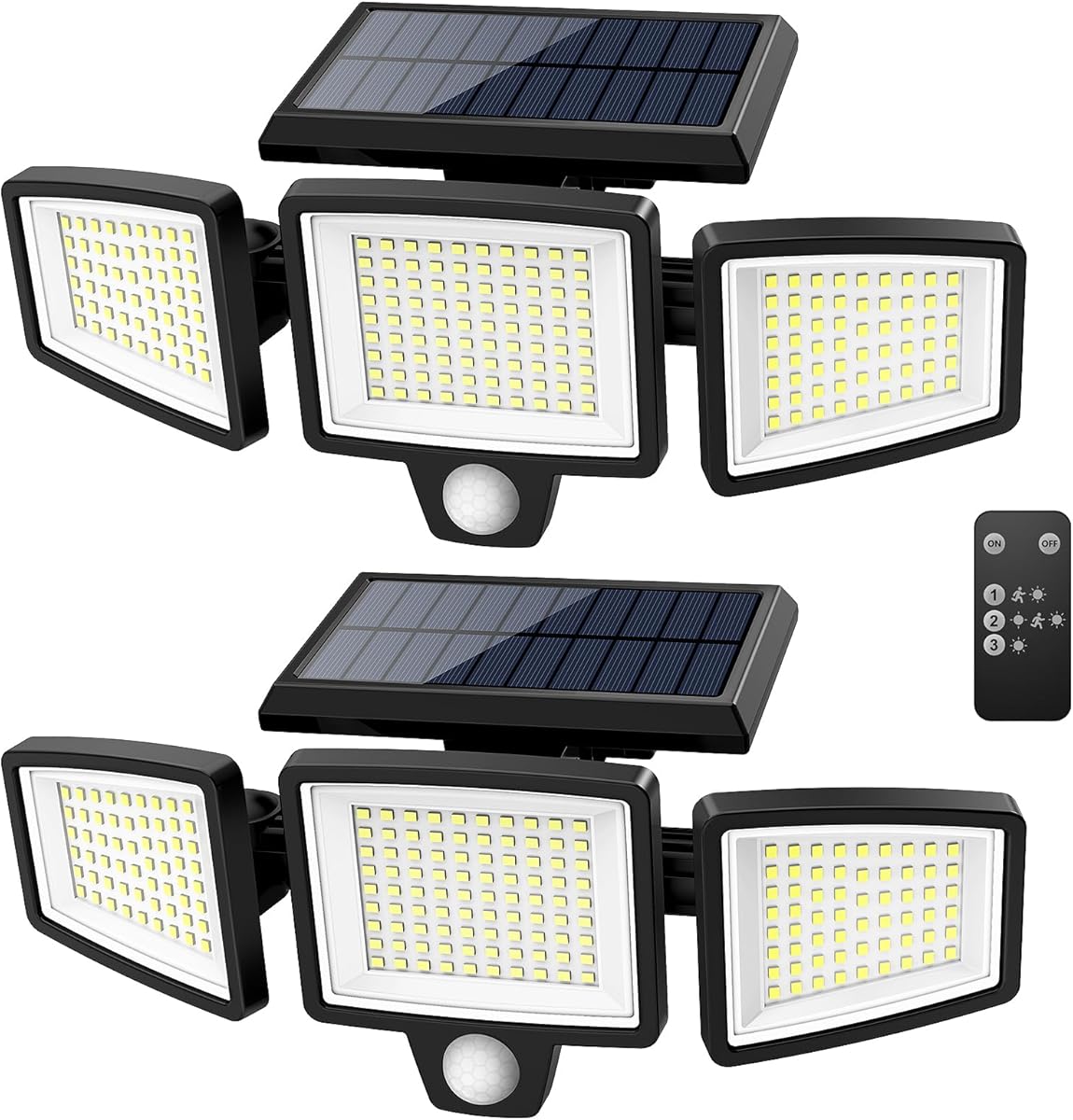
The Tuffenough Solar Outdoor Lights combine a light sensor a motion detector and powerful illumination into one device. Each unit features a 210 LED array that provides up to 2500 lumens of brightness making it effective for security and area lighting. The built-in photocell automatically detects ambient light to enable motion mode only at night.
We may earn a commission when you buy through this link, at no additional cost to you.
The sensor includes a PIR motion inductor that detects movement up to 26 feet away. You can choose from three lighting modes via remote control to suit different needs from dim mode to full bright mode. The three adjustable heads allow you to cover a wide angle of 270 degrees effectively.
Since it is solar powered there are no wires or batteries to buy making installation simple and flexible. The IP65 waterproof rating ensures it can handle rain and snowstorms without damage. To maintain performance you should ensure the solar panel gets direct sunlight for charging especially on cloudy days.
For an all-in-one solution that requires no wiring this light offers significant convenience. It detects motion and ambient light while providing bright illumination to deter intruders. If you need outdoor security lighting that is easy to install and cost-effective this product is a strong choice.
Solar power eliminates the need for wires or external batteries making installation fast and flexible.
The built-in photocell ensures the motion detection activates only when it is dark saving energy.
We may earn a commission when you buy through this link, at no additional cost to you.
Choosing the right light sensor involves considering connectivity detection type and environmental factors to ensure reliable performance.
Light sensors for home security come in various connectivity types such as Zigbee Z-Wave Wi-Fi or hard-wired connections. Each protocol has its own advantages regarding range power consumption and integration capabilities. Zigbee and Z-Wave devices are great for creating a mesh network that extends range throughout your home. Wi-Fi sensors connect directly to your router which simplifies setup but may drain battery faster. Hard-wired options provide reliable power but lack portability. Select a protocol that matches your existing smart home ecosystem.
A key feature in these sensors is the ability to detect ambient light levels which helps automate lighting based on darkness. Some sensors use basic photocells while others use more precise Lux sensors that measure light intensity accurately. This feature ensures lights only turn on when it is dark enough to warrant illumination. Look for sensors that allow you to adjust the light threshold to suit your environment. Accurate light detection prevents lights from activating during daylight saving energy.
Different sensors use different technologies to detect movement including Passive Infrared PIR and mmWave radar. PIR sensors are common and cost-effective but they only detect motion which means lights may turn off if someone sits still. mmWave radar sensors are more advanced and can detect stationary humans making them ideal for rooms where presence is expected. Consider how you want your lights to behave when a person is present but not moving.
Most wireless sensors run on batteries while some hard-wired options require a direct power connection. Battery-powered sensors offer flexibility in placement but you will need to replace batteries periodically. Look for models with long battery life estimates to reduce maintenance efforts. Solar powered options combine light detection with energy generation but they require direct sunlight to function effectively. Choose a power source that fits your installation needs.
If you plan to use the sensor outdoors ensure it has a weatherproof rating such as IP44 or IP65. This rating indicates the device can withstand rain dust and other environmental elements without damage. Outdoor sensors should also be able to handle temperature variations. Check the specifications to confirm the device is suitable for your local climate. Proper weather resistance ensures longevity and reliability.
Verify that the sensor is compatible with your smart home platforms such as Home Assistant Alexa Google Home or Apple HomeKit. Integration allows you to create automations that trigger lights or alarms based on sensor data. Some devices work best within specific ecosystems like Philips Hue or Tapo so consider your existing devices. A sensor that integrates well will provide a smoother user experience.
The field of view determines how wide an area the sensor can cover effectively. Some sensors have a narrow angle suitable for entryways while others have wide angles like 160 degrees for larger rooms. Consider the placement location and the size of the area you want to monitor. An appropriate field of view ensures you capture all relevant motion without blind spots.
Look for sensors that offer adjustable sensitivity and detection range to reduce false triggers. You may need to lower sensitivity to avoid detecting small animals or moving objects like curtains. Adjustable mounting options allow you to angle the sensor for optimal coverage. These features give you control over how the device behaves in your specific environment.
Regularly check the sensor to keep it clean and free of dust or debris that may block the lens. If it is battery-powered monitor the battery level via the app and replace batteries when notified. Test the sensor periodically to ensure it is detecting motion and light levels accurately.
Yes most motion sensors work in complete darkness because they detect movement rather than relying on visible light. However the light sensor part of the device needs ambient light data to determine if it is dark. This ensures the automation only triggers when it is nighttime.
Battery life varies by model but many wireless sensors last between one to two years on a single set of batteries. Factors like detection frequency and temperature can impact battery life. Some sensors offer low battery alerts so you know when to replace them.
It depends on the model. Wi-Fi and Bluetooth sensors can connect directly to your phone without a hub but Zigbee Z-Wave and proprietary wireless sensors require a hub. Check the product specifications to confirm if a hub is included or required.
PIR sensors detect movement by changes in infrared heat while mmWave sensors use radar to detect motion even if a person is still. mmWave sensors are better for applications where continuous presence is required such as in a bathroom or study.
Most apps allow you to set the light threshold in lux or darkness percentage. You can adjust this value to make the sensor more or less sensitive to ambient light. This setting ensures lights turn on only when it is dark enough for your needs.
Many motion sensors offer a pet friendly mode that ignores small animals under a certain weight. Check the product details to see if your sensor has this feature and how to configure it. This helps reduce false alerts when pets are in the area.
No indoor sensors are not designed to withstand outdoor elements like rain or extreme temperatures. For outdoor use choose a sensor with a weatherproof rating such as IP44 or IP65. This ensures the device will function properly in outdoor conditions.
No light and motion sensors typically do not record video as they are designed to detect movement and light levels. They send alerts to your phone or trigger other devices. If you need video recording look for a security camera with built-in motion detection.
Prices and availability can change so always check current product details before making your purchase. With the right light sensor you can enhance your home security and create a more efficient lighting system.