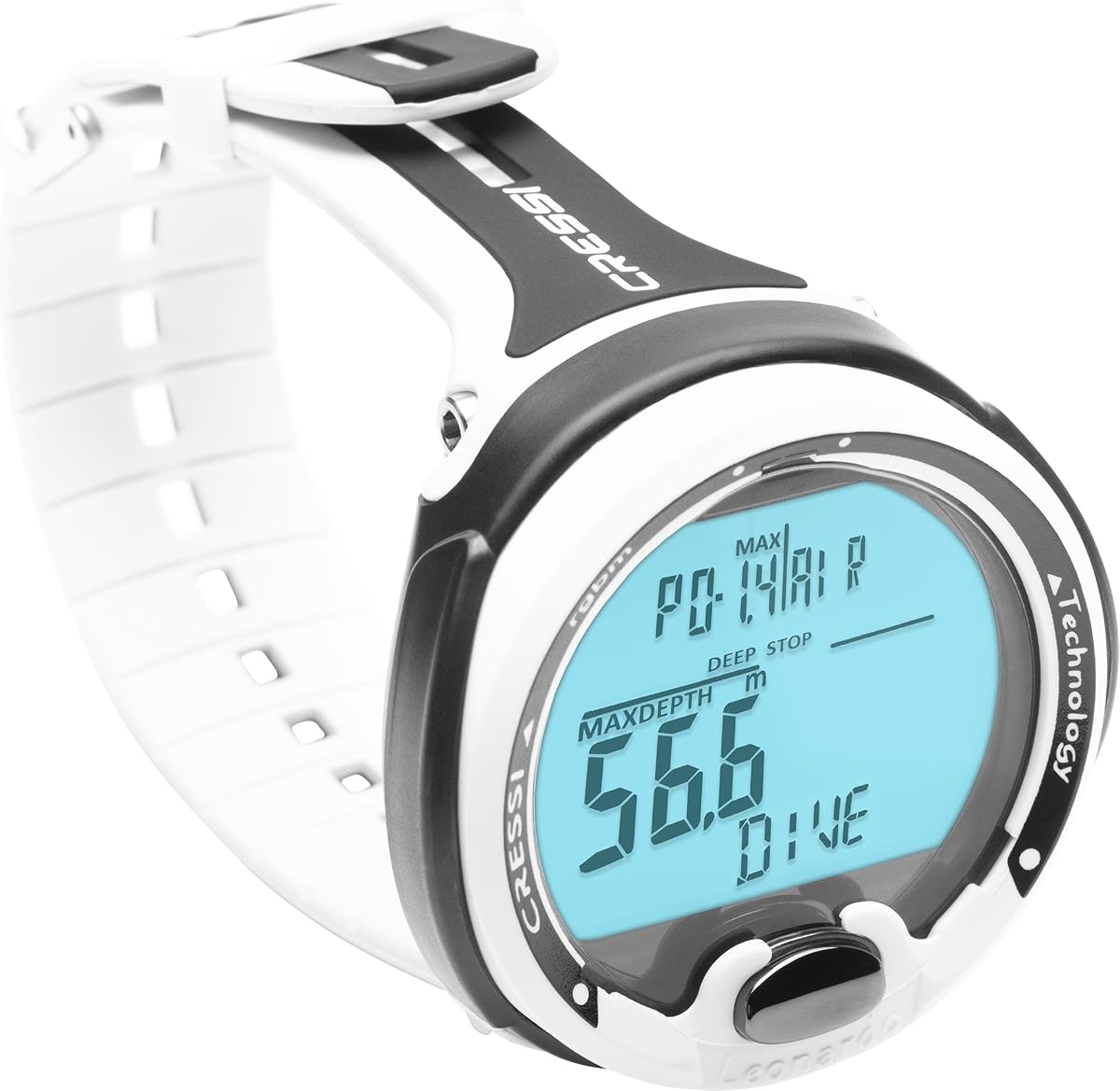
CRESSI Leonardo 2.0 G2 Dive Watch
4.2Editor score
Single button interface ease
Air Nitrox gauge modes
iOS Android connectivity
Explore our expert guide comparing the top 10 dive computers for beginners. Find the perfect device to enhance safety and track your underwater adventures
Starting your scuba diving journey requires reliable gear to ensure safety underwater. A good dive computer tracks depth, time, and decompression limits accurately.
We evaluated ten top models based on usability, features, and reliability for new divers. Our selection covers various budgets and diving styles from simple watches to advanced units.
Each pick highlights key strengths and potential trade-offs to help you decide. Note that availability and pricing can change so check current listings before purchasing.
4.2Editor score

4.0Editor score

4.7Editor score
This side-by-side comparison highlights key specifications and features across all ten models to help you identify the best fit for your diving needs.
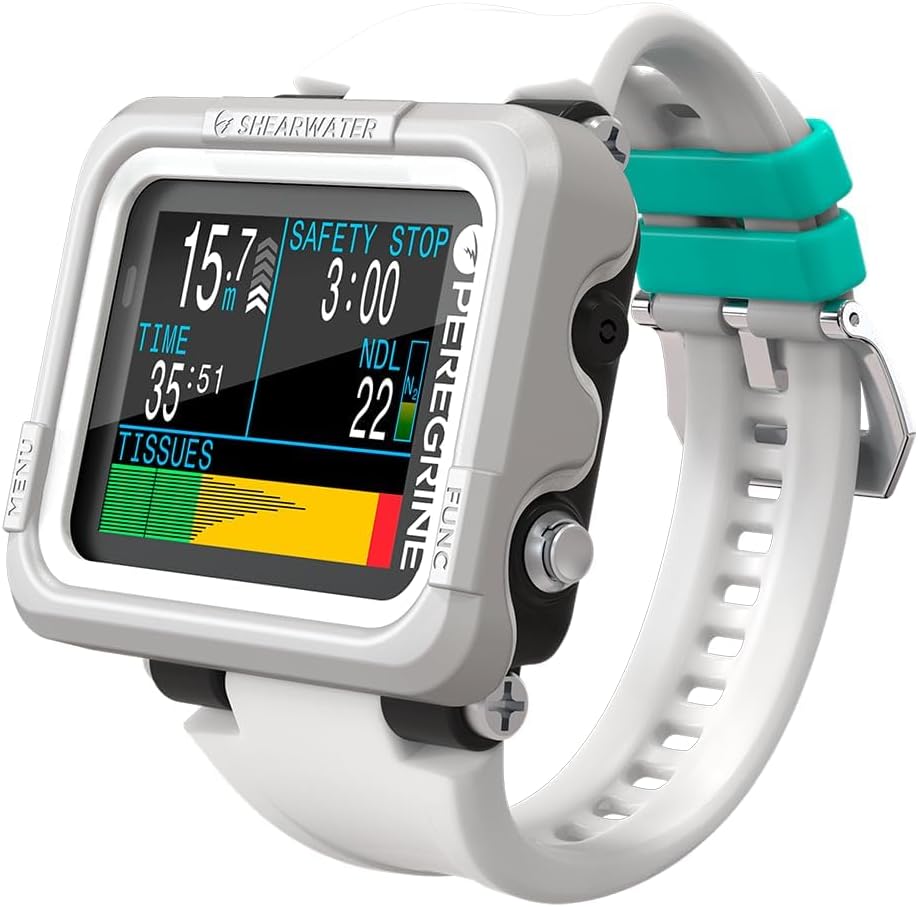


The Shearwater Research Peregrine offers exceptional reliability for new divers with a simple two button interface that reduces confusion underwater. Its high rating reflects consistent performance in tracking depth and decompression accurately.
We may earn a commission when you buy through this link, at no additional cost to you.
Key strengths include a state-aware menu structure and stainless steel buttons that withstand harsh conditions. The included USB wireless charging station ensures you are always ready for the next dive without cable hassles.
Trade-offs involve the higher price compared to basic models and lack of built-in GPS. However, these are acceptable given the device focus on core diving metrics and durability for long term use.
Beginners who prioritize safety and ease of use should buy this unit. It remains a top recommendation for those willing to invest in reliable gear that grows with their skills.
The two button layout simplifies menu navigation so you focus on the dive rather than complex settings.
USB wireless charging means you can power up easily without needing to open battery compartments.
We may earn a commission when you buy through this link, at no additional cost to you.
The CRESSI Leonardo 2.0 delivers essential features at an accessible price point making it ideal for entry level divers. It supports Air and Nitrox modes ensuring safety for various tank setups.
We may earn a commission when you buy through this link, at no additional cost to you.
Its single button interface simplifies underwater navigation reducing the risk of errors during critical moments. Visual and audible alarms keep you informed of critical data changes promptly.
While the display is basic and depth limits apply this unit covers standard recreational needs well. The trade-off is acceptable given the low cost and robust connectivity options for log analysis.
Budget conscious beginners should buy this model to start diving without overspending. It provides a solid foundation for learning safe diving practices with reliable basic functionality.
Pair with iOS or Android devices to track dives and analyze data effortlessly.
Quick critical alerts ensure you catch important dive data changes immediately underwater.
We may earn a commission when you buy through this link, at no additional cost to you.
The SUUNTO D5 combines style with function offering a vivid color display that enhances underwater visibility. Its wireless tank pressure monitoring adds convenience for tracking gas levels accurately.
We may earn a commission when you buy through this link, at no additional cost to you.
Key strengths include a built-in digital compass and vibration alarms that work well even in noisy environments. Mobile connection features allow for easy log management post dive.
Trade-offs include a higher price point and average battery life compared to some competitors. However, the premium features and sleek design justify the cost for many divers.
Beginners seeking a high end experience should buy this model. It offers advanced tools that support growth into more complex dives without needing immediate upgrades.
Monitor tank pressure without extra hoses simplifying setup and reducing gear clutter.
The color display makes critical data stand out clearly even in low light conditions.
We may earn a commission when you buy through this link, at no additional cost to you.
The Shearwater Peregrine Adventures Edition offers robust gas mix support ideal for those exploring Nitrox options early. Its vivid color display provides clear visibility in various lighting conditions.
We may earn a commission when you buy through this link, at no additional cost to you.
Key strengths include Buhlmann ZHL-16C algorithm support and gradient factor customization for safe decompression tracking. Shearwater computers never lockout for dive plan deviations ensuring continuous operation.
Trade-offs involve advanced features that might overwhelm absolute beginners and a higher price. However, these are acceptable for divers planning to advance quickly without replacing gear.
Beginners interested in technical diving should buy this unit. It balances user-friendly design with advanced capabilities to support long term skill development safely.
Gradient factors allow fine tuning of decompression tracking to match safety needs.
Enhanced color range ensures critical dive data is readable at any depth.
We may earn a commission when you buy through this link, at no additional cost to you.
The Cressi Raffaello simplifies underwater navigation with a built-in digital compass eliminating the need for extra gear. Its RGBM mixed-gas planning system supports meticulous preparation for gas mixes.
We may earn a commission when you buy through this link, at no additional cost to you.
Key strengths include dual Bluetooth and USB connectivity for easy data transfer to devices. Four operating modes support both freediving and traditional scuba activities enhancing versatility.
Trade-offs include a higher price and larger size which might not suit small wrists. However, the battery life and features justify the investment for many divers.
Beginners needing navigation tools should buy this model. It offers convenience and reliability ensuring you stay oriented and safe during every dive adventure.
Built-in compass eliminates extra gear reducing clutter and improving dive comfort.
Long lasting battery life reduces maintenance ensuring readiness for every underwater journey.
We may earn a commission when you buy through this link, at no additional cost to you.
The Garmin Descent X30 excels in navigation with surface GPS to mark entry and exit points accurately. Its large screen allows visibility of multiple data fields simultaneously underwater.
We may earn a commission when you buy through this link, at no additional cost to you.
Key strengths include trimix support and NDL Aware depth metrics for optimized bottom time. A water temperature sensor helps find thermoclines enhancing dive planning and comfort.
Trade-offs involve high cost and bulk which might be uncomfortable for some users. However, the advanced features support comprehensive dive management and safety effectively.
Beginners prioritizing navigation should buy this model. It offers tools to track locations and optimize dives with precision for long term use.
Navigate to dive sites and mark points accurately using surface GPS features.
Customize screens with up to three data fields per page for easy access.
We may earn a commission when you buy through this link, at no additional cost to you.
The Garmin Descent G2 integrates health metrics with diving readiness insights for safe planning. Its watch-style design fits well for everyday wear beyond diving sessions.
We may earn a commission when you buy through this link, at no additional cost to you.
Key strengths include sleep and stress monitoring to prepare physically for dives. Smart notifications and Garmin Pay add convenience for daily use outside the water.
Trade-offs include high price and battery drain from health features. However, the comprehensive tracking supports overall wellness alongside diving activities effectively.
Beginners valuing health tracking should buy this model. It offers a versatile tool that supports fitness and safety for a balanced lifestyle.
Insights into sleep and stress help prepare physically for safe diving sessions.
24/7 heart rate and energy monitoring track wellness throughout the day.
We may earn a commission when you buy through this link, at no additional cost to you.
The CRESSI Giotto supports altitude diving flawlessly ensuring safety at high elevations. It manages up to three Nitrox gas mixes during a single dive effectively.
We may earn a commission when you buy through this link, at no additional cost to you.
Key strengths include deep dive monitoring up to 393 feet and detailed logbook storage. Customizable oxygen mix settings ensure precision and adaptability to various conditions.
Trade-offs include complexity for beginners and higher cost. However, the versatility and deep dive features make it a valuable tool for adventurers.
Beginners planning altitude dives should buy this model. It offers reliable support for challenging environments ensuring safety and accurate tracking.
Engineered for altitude ensuring performance at sea level and high elevations.
Extend exploration down to 393 feet with informed safety tracking.
We may earn a commission when you buy through this link, at no additional cost to you.
The Mares Puck Lite offers simple navigation with one button control for effortless underwater operations. It utilizes the Bühlmann ZH-L16C algorithm for safety and precision.
We may earn a commission when you buy through this link, at no additional cost to you.
Key strengths include a robust logbook with graphs for analyzing dive profiles. Compatible with Nitrox mixtures allowing optimization of gas consumption effectively.
Trade-offs involve a small screen and basic features. However, the simplicity and reliability make it an excellent choice for core diving needs.
Beginners valuing straightforward functionality should buy this model. It ensures essential data access without complexity for a reliable start.
Single button navigation simplifies operations allowing quick access to essential functions.
User-replaceable power source lasts through 100 dives ensuring consistent performance.
We may earn a commission when you buy through this link, at no additional cost to you.
The Descent G1 combines rugged design with smart features for versatile everyday use. It stores up to 200 dives and uploads them to the Garmin Dive app.
We may earn a commission when you buy through this link, at no additional cost to you.
Key strengths include heart rate monitoring and GPS support for precise entry and exit tracking. Sports apps help track activities beyond diving effectively.
Trade-offs include monochrome display and limited battery life. However, the health insights and smart capabilities make it a compelling all-round device.
Beginners wanting health insights should buy this model. It integrates wellness tracking with reliable dive safety for a comprehensive experience.
GPS support allows marking exact surface entry and exit points accurately.
Smart notifications and Connect IQ personalization enhance everyday wear convenience.
We may earn a commission when you buy through this link, at no additional cost to you.
Choosing the right dive computer requires evaluating several critical factors to ensure safety and usability for your diving style.
A clear display is essential for reading data quickly underwater. Look for color or high contrast screens that remain legible in low light conditions.
Prioritize models with large fonts and simple layouts to reduce confusion during dives.
Simple interfaces like one or two button controls make navigation easier for beginners. Complex menus can lead to mistakes or distractions underwater.
Choose a unit with intuitive menus and quick access to critical metrics like depth and time.
Ensure the computer supports the types of diving you plan to do such as Air, Nitrox, or Gauge. Some models also include freediving or technical options for future growth.
Select a device that matches your current needs while allowing room for advancement without requiring a new purchase.
Bluetooth or USB connectivity allows you to transfer dive logs to smartphones or computers easily. This helps track progress and review safety data after dives.
Look for options that sync with apps that visualize your dive history and trends effectively.
Long battery life ensures the device works reliably throughout your dive trips without frequent recharging. Some models use replaceable batteries while others recharge via USB.
Prioritize units with long endurance or easy charging options to avoid power issues underwater.
Dive computers must withstand pressure and saltwater exposure. Materials like stainless steel buttons and sapphire lenses add longevity and resistance to damage.
Check water resistance ratings and build quality to ensure the device survives harsh underwater conditions.
A built-in compass helps with underwater navigation without extra gear. This is useful for exploring sites and returning to entry points safely.
Models with integrated compasses simplify your setup and reduce the need for carrying additional accessories.
Balance your budget with the features you need. More expensive models often offer advanced capabilities but basic units cover standard recreational needs well.
Invest in a model that fits your current skill level and planned diving activities to maximize value.
Before each dive, check the battery level and ensure the unit is charged or has fresh power. Power on the device and verify it is functioning correctly before entering the water.
Rinse the dive computer with fresh water after every use to remove salt and debris. This prevents corrosion and ensures buttons and sensors work smoothly over time.
Store the device in a cool dry place away from direct sunlight. Avoid dropping or bumping the unit to prevent screen damage or internal component failure.
A dive computer tracks depth and time to calculate safe decompression limits. It helps prevent decompression sickness by alerting you when you exceed safe limits.
Many models support multiple modes like Air and Nitrox. Check the specs to ensure it matches your specific diving needs such as freediving or technical.
Most computers reset automatically after surfacing. Consult your user manual for specific reset procedures to ensure accurate data for the next dive.
Service intervals vary by brand but typically occur every two years. Regular servicing ensures sensors remain accurate and the unit stays waterproof.
If the unit fails surface slowly and follow your emergency protocols. Always carry a backup like a depth gauge and timer for safety.
Different models have different depth ratings. Ensure the unit is rated for the maximum depth you plan to dive to avoid damage.
We reviewed ten top models ranging from budget friendly watches to premium options with advanced features. Each offers unique strengths for safety and performance underwater.
Prioritize ease of use and reliability over extra features that may not be necessary for your early dives. A simple interface helps you focus on enjoying the underwater world.
Remember to check current prices and availability as deals can vary over time. Selecting the right unit ensures your diving experience starts safely and confidently.