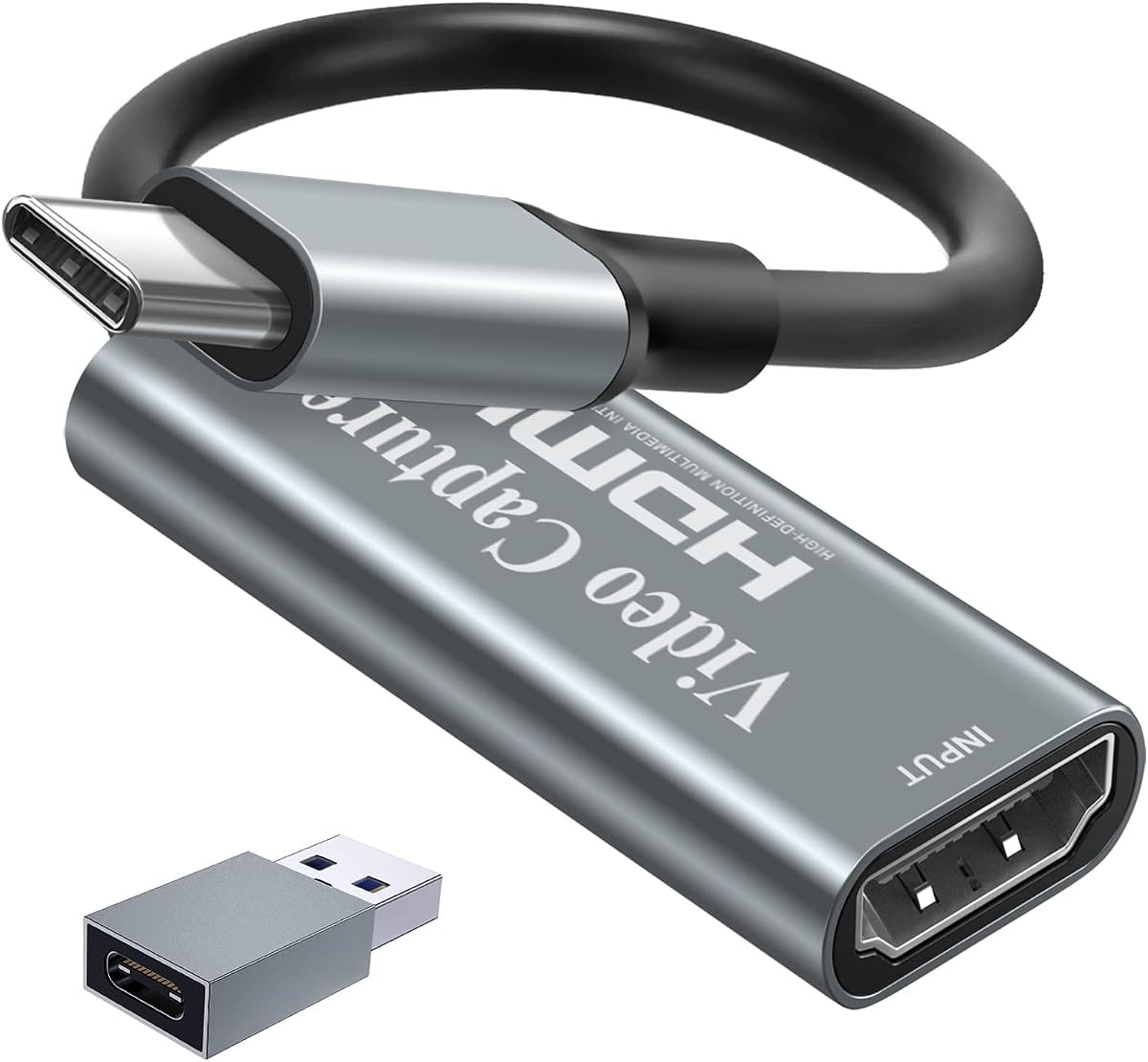
Papeaso Video Capture Card
4.2Editor score
Affordable price point
Plug and play USB C
1080P 60FPS capture
Discover the top capture cards for Linux systems in 2026. We compare features, compatibility, and performance to help you choose the right device for streaming.
Finding a reliable capture card for Linux can be challenging due to driver limitations. This guide helps you identify devices that work seamlessly with open-source software like OBS Studio and XSplit without requiring proprietary installations.
We evaluated ten popular capture cards based on their Linux compatibility, video quality, latency, and ease of setup. Each product was assessed for its ability to handle 1080p60 streaming and support common USB 3.0 interfaces effectively.
Each pick includes detailed pros and cons to help you decide based on your specific needs. Prices fluctuate frequently so please check the latest deals on Amazon before making your final purchase decision for your setup.
4.2Editor score

4.5Editor score

4.2Editor score
This side-by-side comparison highlights the key specifications and capabilities of each capture card to help you make an informed decision for your Linux streaming and recording needs.







The acer USB 3.0 HDMI Capture Card is a top choice for Linux users seeking reliable performance without complex setup. It supports 4K input and delivers smooth 1080P 60Hz output making it ideal for streaming and recording.
We may earn a commission when you buy through this link, at no additional cost to you.
Its YUY2 technology ensures richer colors and lifelike visuals which is crucial for content creators who need accurate color representation. The built-in mic-in port allows you to add commentary directly without extra adapters.
While it lacks an HDMI loop-out feature which some streamers prefer for monitoring, the low latency ensures your gameplay remains responsive. This makes it a solid choice for those who do not need dual output capabilities.
If you need a cost-effective solution that works seamlessly with OBS and other Linux streaming tools this card is highly recommended. It offers great value for gamers and creators on a budget.
This device is recognized as a standard UVC device by Linux systems requiring no additional drivers to function correctly with OBS.
Using YUY2 compression this card provides better color depth compared to MJPEG options which benefits high-quality video production.
We may earn a commission when you buy through this link, at no additional cost to you.
The UGREEN 4K@30Hz Loop Out HDMI Capture Card is an excellent budget-friendly option that supports Linux natively. It offers 4K input and a loop-out port which is perfect for monitoring gameplay while streaming.
We may earn a commission when you buy through this link, at no additional cost to you.
Its dual USB-A and USB-C interfaces provide flexibility for connecting to various devices including laptops and desktops. The aluminum casing helps dissipate heat ensuring stable performance during long streaming sessions.
While it does not support 4K output for recording it captures up to 2K 30FPS which is sufficient for most streaming platforms. Be aware that HDCP must be turned off on consoles like PS4 and PS5 to use this card.
This card is ideal for budget-conscious streamers who need a reliable loop-out feature. It balances performance and price well making it a strong contender in the Linux capture card market.
The HDMI loop-out allows you to view your game on a monitor without lag while the capture card records to your PC.
Supporting both USB-A and USB-C means you can use it with almost any computer setup without needing extra adapters.
We may earn a commission when you buy through this link, at no additional cost to you.
The Guermok Video Capture Card is designed for users who value portability and performance. It supports 4K input and delivers up to 1080P 60FPS output making it suitable for high-quality recordings.
We may earn a commission when you buy through this link, at no additional cost to you.
Its aluminum alloy casing provides durability and heat dissipation which is important for maintaining stable performance. The USB-C interface allows direct connection to modern laptops and tablets.
One thing to note is that using an adapter might reduce the connection to USB 2.0 speeds so it is best to use a native USB 3.0 port when possible. This ensures you get the full bandwidth for smooth capture.
For travelers or those with limited desk space this card is a great choice. It is small enough to fit in a bag and works well with Linux systems for on-the-go streaming.
The lightweight design makes it easy to carry in a bag for outdoor streams or LAN parties without adding bulk.
Always use a USB 3.0 port to ensure you get the best performance and avoid signal loss or slower frame rates.
We may earn a commission when you buy through this link, at no additional cost to you.
The Newhope USB 3.0 HDMI Capture Card is a straightforward solution for basic streaming needs. It captures 1080P at 60FPS and includes a mic-in port for commentary making it versatile for various uses.
We may earn a commission when you buy through this link, at no additional cost to you.
This card supports Linux and works with popular software like OBS without requiring any driver installation. It is designed for ease of use so you can start streaming immediately after plugging it in.
While it lacks advanced features like 4K output or loop-out it performs well for standard HD streaming. The 4K pass-through allows you to view the source on a monitor with minimal delay.
This is a good option for beginners or those who do not need high-end features. It offers reliable performance at a low price point which makes it accessible for many users.
The plug and play functionality means you do not need to configure complex settings or install drivers to get started.
The included mic-in port allows you to connect a headset directly for commentary without needing a separate audio interface.
We may earn a commission when you buy through this link, at no additional cost to you.
The Capture Card 4K HDMI Video Streaming device is designed for users who need a versatile solution for recording and streaming. It supports 1080P 60FPS capture and offers seamless passthrough for your displays.
We may earn a commission when you buy through this link, at no additional cost to you.
Its compact design makes it easy to use with various devices including consoles and cameras. The card works with Linux systems and supports popular streaming software like OBS and XSplit.
While it does not have an HDMI loop-out the passthrough feature still allows you to view your content on a monitor. The low latency ensures smooth gameplay recording without noticeable delays.
This card is a solid choice for content creators who need a reliable and affordable capture solution. It delivers good quality video and is easy to set up for immediate use.
Compatible with a wide range of devices including consoles cameras and PCs this card offers great flexibility for different setups.
Supporting 1080P at 60FPS ensures that your recorded content is smooth and detailed for platforms like YouTube and Twitch.
We may earn a commission when you buy through this link, at no additional cost to you.
The UGREEN 2K@30Hz Video Capture Card is the top pick for Linux users due to its excellent compatibility and performance. It supports 4K input and outputs up to 2K at 30FPS or 1080P at 60FPS.
We may earn a commission when you buy through this link, at no additional cost to you.
Its USB 3.0 interface provides high-speed data transfer which ensures low latency and smooth streaming. The aluminum casing helps dissipate heat making it reliable for long sessions.
With both USB-A and USB-C ports this card offers great flexibility for connecting to different devices. It works seamlessly with Linux systems and supports all major streaming software.
This card offers the best balance of price and performance for Linux users. It is a reliable choice for streamers who need consistent quality and easy setup.
The high-speed USB 3.0 connection ensures that video data is transferred quickly without causing lag or frame drops.
Unlike some proprietary capture cards this device is recognized natively by Linux kernels allowing for seamless integration.
We may earn a commission when you buy through this link, at no additional cost to you.
The 4K HDMI Capture Card USB 3.0 is a highly rated option that offers excellent audio monitoring features. It supports 4K input and delivers 1080P at 60FPS output for smooth video.
We may earn a commission when you buy through this link, at no additional cost to you.
The built-in headphone output allows you to monitor audio in real time which is useful for ensuring quality during streaming. It works with Linux and includes a long 18-month warranty for peace of mind.
While it lacks an HDMI loop-out the mic and headphone inputs provide good audio flexibility. The plug and play design makes it easy to use without technical knowledge.
This card is a great choice for users who prioritize audio quality and reliability. It offers strong performance and comes with a warranty that exceeds many competitors.
The headphone jack allows you to listen to your stream audio in real time to catch any issues before they go live.
The 18-month warranty provides long-term support which is rare for budget capture cards and shows confidence in the product.
We may earn a commission when you buy through this link, at no additional cost to you.
The AVerMedia StreamLine MINI+ is a premium capture card designed for high-end gaming streaming. It supports 4K60 HDR passthrough and records at 1080p60 with ultra-low latency.
We may earn a commission when you buy through this link, at no additional cost to you.
While it is optimized for Windows and macOS its plug-and-play nature means it may work with Linux depending on UVC support. The included Streaming Center software offers easy setup for beginners.
This card is best for users who need HDR support and professional-grade performance. It is more expensive than budget options but delivers superior quality for console gaming.
If you need the best possible performance for your console games this card is a strong choice. It offers advanced features that justify the higher cost for serious streamers.
The 4K60 HDR passthrough allows you to maintain high visual quality on your monitor while streaming in HD.
The Streaming Center software provides a user-friendly interface that simplifies the process of going live.
We may earn a commission when you buy through this link, at no additional cost to you.
The Papeaso Video Capture Card is an excellent value option for Linux users who need basic capture functionality. It supports 1080P at 60FPS and works with USB-C devices for modern compatibility.
We may earn a commission when you buy through this link, at no additional cost to you.
This card is plug and play which means it is recognized by Linux systems without needing drivers. It supports a wide range of devices including consoles and cameras for versatile use.
While it does not offer advanced features like loop-out it performs reliably for standard streaming needs. The low price makes it accessible for those just starting out with content creation.
For budget-conscious users this card is a great choice. It delivers solid performance and is easy to set up for quick streaming sessions.
This card is one of the most affordable options available making it accessible for beginners and casual streamers.
The USB-C interface allows direct connection to modern laptops and devices without needing extra adapters.
We may earn a commission when you buy through this link, at no additional cost to you.
The AVerMedia Live Gamer Ultra S is a premium capture card designed for professional streamers who demand the best. It supports 4K60 recording and VRR passthrough for high-refresh gaming.
We may earn a commission when you buy through this link, at no additional cost to you.
This card works with Linux systems and supports 5.1 channel audio for immersive sound. It offers a wide range of features including ultrawide support for modern displays.
While it is more expensive than other options the performance and features justify the cost for serious users. It is ideal for those who need top-tier quality for their content.
If you need professional-grade features this card is the best choice. It delivers exceptional performance and supports high-end gaming setups.
Variable refresh rate support ensures smooth visuals during fast-paced gaming without screen tearing or lag.
The 5.1 audio capture provides rich sound quality which is essential for immersive gaming experiences.
We may earn a commission when you buy through this link, at no additional cost to you.
Choosing the right capture card for Linux involves considering compatibility, video quality, and connectivity options to ensure smooth streaming and recording.
Ensure the capture card is UVC compliant so that Linux systems recognize it without needing drivers. Most modern cards support this standard but check product details carefully.
This guarantees seamless integration with software like OBS and XSplit without technical hurdles.
Select a card that supports the output resolution you need such as 1080P 60FPS or 2K 30FPS. Higher resolution ensures better quality but may require more bandwidth.
Match the resolution to your streaming platform requirements for the best results.
Consider whether you need USB-A or USB-C ports based on your computer setup. Some cards offer both which provides flexibility for different devices.
USB 3.0 is recommended for high-speed data transfer and low latency.
Look for cards with mic-in or headphone outputs if you need to record audio directly. This simplifies your setup by reducing the need for extra equipment.
Proper audio support is crucial for clear commentary during streams.
Aluminum or durable plastic casings help dissipate heat during long recording sessions. This ensures stable performance and extends the life of the device.
A sturdy build prevents overheating and signal loss during use.
Set a budget that balances your needs with the cost of the card. Look for warranties to protect your investment in case of defects.
Better value comes from reliable products with good support.
If you need to monitor gameplay while streaming check if the card has an HDMI loop-out. This feature allows you to view the source without delay.
Not all cards have this so decide if it is essential for your workflow.
Ensure the card works with your preferred streaming software like OBS or VLC. Most cards support standard software but check compatibility lists.
Proper software support ensures smooth setup and operation.
Connect the capture card to your computer using a USB 3.0 port for best performance. Ensure your HDMI source is powered on before connecting the cable.
Open your streaming software like OBS and add a video source. Select the capture card from the device list to start capturing video.
To maintain performance keep the device cool and clean. Avoid bending cables excessively and store it in a dry place when not in use.
Most modern capture cards are UVC compliant and work on Linux without drivers. You simply plug them in and select the device in your streaming software like OBS.
For most platforms 1080P at 60FPS is sufficient and widely supported. Higher resolutions like 2K or 4K may require more bandwidth and better hardware.
Loop-out allows you to view gameplay without lag on a separate monitor. It is useful for gaming but not essential if you only need to record.
Both are good but USB-C offers more versatility for modern laptops. Ensure the port is USB 3.0 or higher for best performance.
Use USB 3.0 ports and avoid hubs to reduce latency. Ensure your software settings are optimized for low-latency capture.
Yes capture cards can work for video conferencing by connecting cameras or external devices. Ensure your software supports the device input.
We reviewed ten top capture cards for Linux users focusing on compatibility and performance. The UGREEN 2K@30Hz model stands out for its balance of features and price.
Prioritize cards that are UVC compliant and support the resolution you need. Good connectivity and audio features will also improve your streaming experience.
Remember to check current prices and deals before buying as they can change frequently. Choosing the right card ensures smooth and high-quality streaming on Linux.