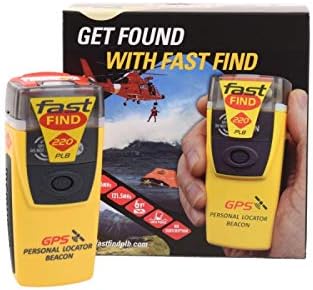
McMurdo FastFind 220
4.5Editor score
Affordable personal locator beacon
Easy one-handed activation
US registered for quick contact
This guide compares the top locator beacon for Hiking the Pct options including PLBs and satellite communicators to help you choose the safest gear for the
Hiking the Pacific Crest Trail demands reliable safety gear. A locator beacon for Hiking the Pct ensures you can call for help even when cell signals fail. It is a critical tool for remote wilderness travel and peace of mind.
We compared ten top-rated beacons and communicators based on reliability, features, and user feedback. Each device offers unique benefits for PCT hikers seeking connection and rescue capabilities. Our analysis highlights the best options for various budgets and needs.
Every pick in this guide shows key specs, pros, and cons to help you decide. Prices and availability change frequently so verify details before purchasing. Stay safe on your adventure with the right safety technology today.
4.5Editor score

4.8Editor score

4.6Editor score
This side-by-side comparison highlights key specifications across all ten top-rated locator beacons and satellite communicators for PCT hikers. Review each device's strengths to find the perfect match for your safety needs.


The ACR ResQLink View RLS PLB stands out as the top choice for serious PCT hikers seeking peace of mind. With a strong 4.8 rating, this beacon combines reliability with modern features like Return Link Service. Its robust design ensures performance even in rugged trail conditions.
We may earn a commission when you buy through this link, at no additional cost to you.
Key strengths include the ability to confirm when rescue teams receive your distress signal. This feature reduces anxiety during emergencies. The device also boasts a five-year battery life and global coverage via GPS and Galileo GNSS systems. It is built to float and withstand harsh environments.
Trade-offs include a higher price point compared to basic PLBs. Additionally, it is a one-way device meaning you cannot send texts. However, these limits are acceptable for pure emergency safety. The value of confirmed rescue coordination outweighs the cost.
Buy this if you prioritize guaranteed emergency response without monthly fees. It suits solo hikers who need a dependable safety net. The RLS feature makes it a premium PLB for those willing to invest in top-tier rescue tech.
This feature provides critical confirmation that rescue forces have received your SOS signal. Knowing help is coming reduces panic significantly during emergencies.
With a five-year shelf life and over 28 hours of operational life, you can rely on this device for multiple trips without worry or maintenance.
We may earn a commission when you buy through this link, at no additional cost to you.
The McMurdo FastFind 220 offers exceptional value for hikers needing a basic personal locator beacon. It holds a solid 4.5 rating for simplicity and effectiveness. This PLB is pre-programmed for US registration which streamlines emergency response for domestic trails.
We may earn a commission when you buy through this link, at no additional cost to you.
Its standout feature is ease of use. You simply deploy the antenna and press the button to send a global distress signal. It works on COSPAS-SARSAT satellites ensuring broad coverage. The device is durable and ready for remote environments.
Trade-offs involve lack of GPS confirmation or text messaging. It only sends a distress signal without location verification. But for a budget PLB, it delivers core safety functions. The low cost makes it accessible to many hikers.
Choose this if you want a no-fuss emergency tool. It fits beginners or those who already have other gear. Its simplicity and price make it the best budget locator beacon for PCT safety.
With just two steps to activate, this beacon reduces panic. It is designed for immediate use without complex menus or setup.
Pre-programming ensures US search teams can quickly identify you. This reduces delays in rescue operations for hikers in America.
We may earn a commission when you buy through this link, at no additional cost to you.
The Garmin inReach Mini 2 is a top-tier satellite communicator perfect for PCT hikers needing constant connectivity. It rates highly for enabling two-way messaging globally. This device transforms safety by allowing you to communicate updates beyond just sending an SOS.
We may earn a commission when you buy through this link, at no additional cost to you.
Key strengths include TracBack routing and the digital compass which aid navigation. You can share live location with family via MapShare. Battery life reaches 14 days in tracking mode. It syncs with Explore app for planning and route tracking.
Trade-offs are the required satellite subscription and higher upfront cost. This adds ongoing expense. However, the two-way communication capability is unmatched. It ensures you can clarify needs during emergencies effectively.
Buy this if you value communication and navigation. It suits thru-hikers wanting to stay connected. The Mini 2 offers premium safety and utility for those willing to pay for service.
Unlike standard beacons, this lets you confirm details with rescuers. This reduces false alarms and speeds up actual rescue operations significantly.
Built-in compass and TracBack routing help you find your way if lost. These features prevent emergencies before they happen on remote trails.
We may earn a commission when you buy through this link, at no additional cost to you.
The ACR ResQLink View PLB425 provides solid emergency signaling capabilities for outdoor enthusiasts. Rated 4.6 it sends GPS coordinates directly to search teams. This device is buoyant and easy to attach to gear ensuring it stays close during adventures.
We may earn a commission when you buy through this link, at no additional cost to you.
Its standout feature is the bright LED and infrared strobe lights. These provide visual signals to rescuers in difficult terrain. The 406 MHz signal ensures global coverage. It works without subscription fees for reliable access.
Trade-offs include lack of return link confirmation. You won't know if rescue received the signal. However, the GPS positioning improves search efficiency. The visual strobe further aids rescue teams in locating you quickly.
Buy this if you want a reliable one-way beacon. It suits water activities or dense forest hiking. The strobe feature adds an extra layer of rescue visibility for remote travel.
The high-intensity strobe helps rescuers spot you visually in darkness. This complements GPS data for faster recovery in rugged environments.
Being buoyant means the device floats if dropped in water. This ensures the beacon remains accessible during river crossings or water hazards.
We may earn a commission when you buy through this link, at no additional cost to you.
ZOLEO acts as a bridge between smartphones and satellite networks. It enables messaging beyond cell range. Rated 4.4 this device uses your phone as the interface allowing you to stay connected using familiar apps during long hikes.
We may earn a commission when you buy through this link, at no additional cost to you.
Key strengths include unlimited check-ins and low-cost monthly plans. You can send SMS and email anywhere globally. Its rugged build ensures durability on the trail. The IP68 rating protects against dust and water exposure.
Trade-offs require reliance on your smartphone for display. If your phone dies the device is less useful. However, plans are cheaper than competitors. It suits budget-conscious hikers wanting text features.
Choose this if you want text messaging without buying a new phone. It balances cost and connectivity. ZOLEO is great for those who already carry a smartphone on the PCT.
Using your phone as a screen saves carrying extra gadgets. This reduces pack weight while keeping you connected to loved ones.
Monthly plans start low compared to other communicators. This makes it accessible for occasional hikers or those on a budget.
We may earn a commission when you buy through this link, at no additional cost to you.
The rescueME PLB1 is the smallest PLB in its category. It weighs just 4 ounces and fits easily in a pocket. This device simplifies safety without adding bulk. Its design focuses on intuitive one-handed use in emergencies.
We may earn a commission when you buy through this link, at no additional cost to you.
Key strengths include a seven-year battery life and bright strobe. The waterproofing ensures durability in wet conditions. No subscription means you pay once for life. Its compact form saves space in backpacks.
Trade-offs are lack of GPS feedback. You cannot see where it is tracking. However, it sends distress signals globally. The small size helps but requires careful attachment to gear.
Buy this if you want minimal weight and size. It suits ultralight hikers. The PLB1 offers reliable emergency signaling in the smallest package available on the market.
Designed for use while injured or in bad weather. This ensures you can activate the beacon even if your hands are compromised.
With seven years before replacement, this device is always ready. It reduces maintenance needs and keeps you prepared for the next trip.
We may earn a commission when you buy through this link, at no additional cost to you.
This bundle includes the Mini 2 plus essential power gear. It ensures you stay connected during long trips. Rated 4.6 the bundle offers value by adding adapters and a portable battery. This solves power concerns for PCT thru-hikers.
We may earn a commission when you buy through this link, at no additional cost to you.
Key strengths include weather updates and tracking capabilities. You can manage your journey via the Explore app. Battery life extends to 30 days with infrequent tracking. The bundle ensures readiness on the trail.
Trade-offs are the total package price. However, buying separately costs more. The included accessories save money and hassle. It simplifies setup for immediate use upon arrival.
Choose this if you want an all-in-one solution. It suits long-distance hikers needing power. The bundle offers convenience and reliability for extended remote adventures.
Included adapters and power banks ensure you never run out. This is vital for maintaining communication on multi-day or multi-month hikes.
You can choose month-to-month or annual plans. This allows cost control based on your hiking schedule and needs.
We may earn a commission when you buy through this link, at no additional cost to you.
The Renewed inReach Mini provides an affordable way to access satellite comms. It works on the Iridium network for global coverage. Rated 4.2 this device supports two-way messaging and SOS. It is a practical choice for budget-conscious adventurers.
We may earn a commission when you buy through this link, at no additional cost to you.
Key strengths include weather services and downloadable maps. You can pair it with other Garmin devices. Its compact size fits easily in a jacket pocket. Renewed items offer significant savings while maintaining function.
Trade-offs involve it being an older model. It lacks some newer features like a compass. However, it still performs core tasks well. The price makes it attractive for occasional hikers.
Buy this if you want low-cost connectivity. It suits those familiar with the inReach ecosystem. The Renewed Mini delivers reliable safety at a reduced price point.
Renewed products undergo testing to ensure performance. This offers a way to access high-end tech at a more accessible price.
It pairs well with other Garmin gear for seamless data sharing. This enhances your navigation experience across devices easily.
We may earn a commission when you buy through this link, at no additional cost to you.
The Motorola Defy Satellite Link connects your phone to satellites. It allows messaging without a dedicated communicator. Rated 3.7 it offers low service plans and easy SOS use. It suits those wanting satellite access without buying new gear.
We may earn a commission when you buy through this link, at no additional cost to you.
Key strengths include compatibility with Android and iOS. You send texts via the phone interface. Its rugged build handles trail drops. Low monthly costs make it accessible for many hikers.
Trade-offs are dependency on your phone's battery. If the phone dies, you lose connection. Also, the lower rating suggests some reliability issues. It works but needs careful management.
Buy this if you need basic texting. It suits casual hikers needing backup. The Defy is a low-cost gateway to global satellite communication for emergencies.
This device turns your phone into a satellite communicator. It reduces gear weight by utilizing existing hardware you already own.
Monthly plans start very low for satellite access. This makes it budget-friendly for hikers trying satellite comms for the first time.
We may earn a commission when you buy through this link, at no additional cost to you.
The Bivy Stick offers robust group tracking and offline navigation. Rated 3.8 it enables messaging and GPS tracking for families. This device uses Iridium satellites for global reliability. It is tailored for teams needing coordination.
We may earn a commission when you buy through this link, at no additional cost to you.
Key strengths include GroupTrack and offline maps. You can navigate safely without cell service. Weather updates help you avoid storms. It provides peace of mind by keeping your group connected.
Trade-offs involve app dependency and subscription needs. This adds ongoing cost. However, group features are unique. It suits families who want to monitor each other on long trips.
Buy this if you hike with others. It suits groups needing safety coordination. The Bivy Stick balances communication and navigation well for shared adventures.
GroupTrack lets families see each other's location. This ensures everyone stays safe without needing constant check-ins.
Download maps to navigate without internet. This helps you find your way in remote areas where cell signals fail.
We may earn a commission when you buy through this link, at no additional cost to you.
Selecting the right beacon involves balancing safety needs with budget and features. This guide breaks down key factors for PCT hikers.
Decide between a one-way PLB for pure rescue or a satellite communicator for messaging. Communicators allow updates and weather checks while PLBs are simple and subscription-free.
Choose a PLB if you only need rescue backup. Choose a communicator if you want to share progress and avoid isolation on long trips.
PLBs have no monthly fees but require upfront cost. Communicators need plans ranging from $15 to $60 per month depending on data needs.
Review total cost of ownership including device and service. Budget for annual plans to save money on long trails.
PLBs last years on standby but activate for hours. Communicators last days to weeks with tracking depending on battery capacity and usage patterns.
Carry extra batteries or a charger for communicators. Check power consumption rates for long-duration trips on the PCT.
PLBs use COSPAS-SARSAT satellites while communicators use Iridium or Inmarsat. Iridium offers true global coverage essential for remote wilderness.
Ensure the network covers your route. Iridium is best for international trips or areas with limited cell service.
Compact devices weigh less but may offer fewer features. Larger units may include screens and maps which help navigation.
Select a size fitting your pack. Small PLBs hide easily while communicators need space in a dedicated pocket.
Look for waterproof and shockproof ratings. PCT conditions are harsh with rain dust and drops. Rugged build ensures reliability.
IP67 or higher ratings are recommended. Choose devices with sturdy clip systems to prevent loss.
Some communicators require apps to work fully. Others function as standalone devices. Decide if you want app control.
Ensure your phone has enough battery. Apps can drain power quickly so carry a power bank.
Register your device with authorities before trips. This helps rescue teams identify you quickly during emergencies.
Update registration details for each trip. Carry proof of registration if requested by local parks.
Before every hike test the device by checking battery indicators and GPS lock. Ensure the antenna is fully extended and the clip is secure to your pack. This prevents failure when you need it most.
For communicators enable tracking settings to minimize battery drain. Set check-in intervals to one hour for balance. Keep the device warm in cold weather as batteries perform poorly below freezing.
Store devices in a dry place during off-seasons. Replace batteries on PLBs when the expiry date nears. Clean the screen and contacts regularly to maintain reliability.
Personal Locator Beacons (PLBs) do not require a subscription as they use government satellites. Satellite communicators do need monthly plans to send messages and location updates.
Response time varies by location. In remote areas like the PCT it can take hours or days. Having a PLB ensures authorities are alerted immediately for planning.
Yes but batteries perform poorly in cold. Keep devices inside your jacket near your body to maintain charge. Insulate packs to protect electronics from freezing.
Both are satellite navigation systems. Modern devices support multiple systems like GPS and Galileo for faster positioning. More signals mean better accuracy in mountainous terrain.
Yes it is legal to carry them. However you must register the device with authorities. False activations are illegal and can lead to fines or penalties.
Only if the device integrates with your phone. Communicators allow texting while PLBs do not. Check if the device needs an app to function.
The ACR ResQLink View RLS PLB leads as the top choice for confirmed rescue. The McMurdo FastFind 220 offers great value for budget hikers. The Garmin inReach Mini 2 suits those wanting full connectivity.
Prioritize your safety needs over features. A reliable PLB is essential for solo travel. Add messaging if you value contact with home during long trips.
Prices fluctuate so check current deals before buying. Verify battery status and registration. Choose the device that fits your budget and hiking style best.