
Intel Celeron G3900
4.6Editor score
2.80 GHz clock speed
512 kB L2 cache
Skylake retail package
Explore our guide to low power CPU options for efficient computing. We compare ten desktop processors to help you find the best balance of performance and
Low power CPUs offer efficient computing for home servers and office PCs. These processors reduce electricity costs while maintaining reliable performance for everyday tasks and lightweight applications.
We evaluated ten processors based on thermal design power, core count, and real world efficiency. Our analysis considers clock speeds, cache sizes, and compatibility with modern motherboards for informed choices.
Each pick highlights specific strengths like gaming potential or silent operation. Prices fluctuate often, so verify current costs before buying to ensure you get the best value for your specific needs.
4.6Editor score
4.7Editor score

4.1Editor score
This side-by-side comparison highlights key specifications for each processor. Review core counts, clock speeds, and socket types to find the exact match for your motherboard and performance requirements.


This processor offers efficient computing for users needing stable performance without excessive heat. It scores high ratings for reliability in home and office setups.
We may earn a commission when you buy through this link, at no additional cost to you.
Its design focuses on balancing power draw with task handling. The chip handles standard productivity tasks smoothly while keeping energy bills lower.
Users must source a cooling solution separately which adds minor cost. This older model may lack latest instruction sets found in newer chips.
Choose this if you need a compact build with proven stability. It works well for media centers or quiet office machines.
Designed to minimize wattage while maintaining core frequency for steady tasks.
Ideal for small form factor builds where space and heat are concerns.
We may earn a commission when you buy through this link, at no additional cost to you.
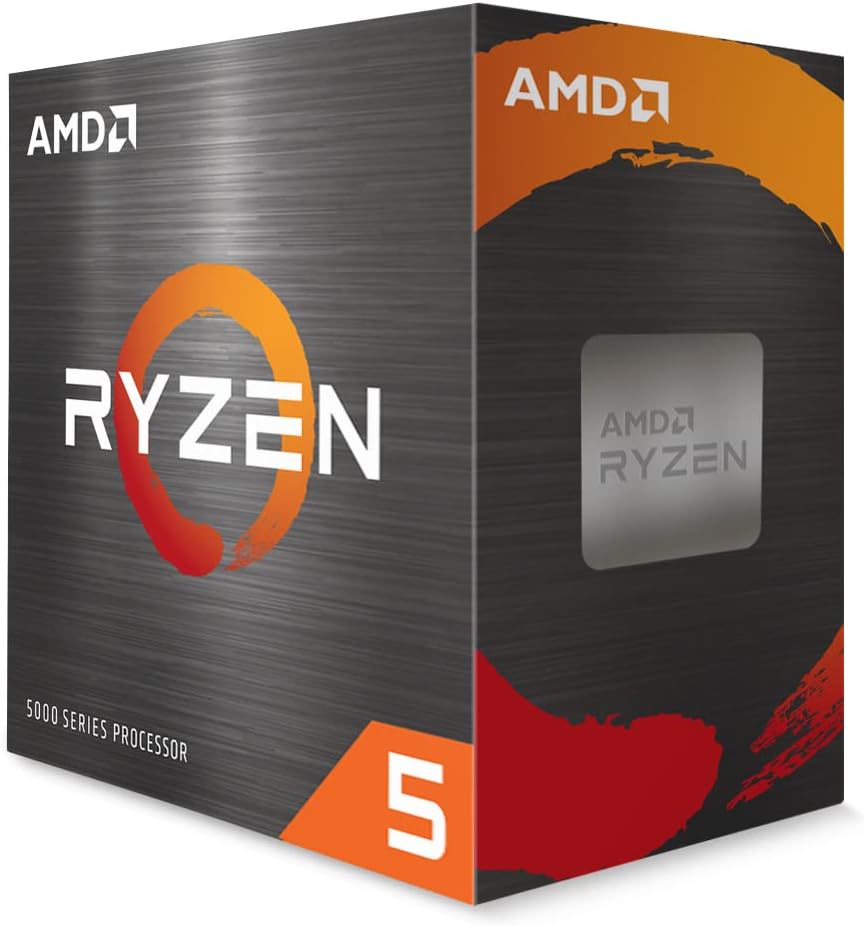
This processor delivers strong multi-threaded performance for modern gaming and productivity. It stands out with six cores and twelve threads for smooth multitasking.
We may earn a commission when you buy through this link, at no additional cost to you.
It supports fast DDR4 memory and unlocks overclocking potential for enthusiasts. The bundled Wraith Stealth cooler helps manage heat without extra cost.
It is not for systems needing minimal wattage for simple tasks. You must add a dedicated graphics card to reach its full gaming potential.
Pick this for a home PC that needs speed and efficiency. It remains a top pick for balanced builds in 2026.
Delivers fast 100 plus FPS performance in popular titles with discrete graphics.
Socket AM4 platform allows easy migration to newer Ryzen chips later.
We may earn a commission when you buy through this link, at no additional cost to you.
This unit serves basic computing needs with two cores and threads. It is rated well for web browsing and document editing tasks.
We may earn a commission when you buy through this link, at no additional cost to you.
It supports Intel Optane Memory for faster storage response on older drives. The 3.4 GHz clock ensures decent speed for daily chores.
Users should not expect video editing or gaming from this chip. It is a straightforward CPU for entry-level desktop builds.
Opt for this if you need a simple PC for a child or office. It keeps hardware costs low without sacrificing reliability.
Allows Intel Optane Memory support to speed up traditional hard drives.
Works with Intel 400 series chipset based motherboards easily.
We may earn a commission when you buy through this link, at no additional cost to you.
This legacy low power processor offers efficient cache subsystem for data intensive apps. It is optimized for multi-threaded games from its era.
We may earn a commission when you buy through this link, at no additional cost to you.
It achieves high data transfer speeds with DDR3 memory channels. The design focuses on bandwidth and latency for stable performance.
Modern software may struggle due to aging architecture and DDR3 support. It is better suited for retro builds or specific industrial uses.
Choose this if you have existing DDR3 systems or need a budget part. It provides low power operation for basic server roles.
Optimized for increased bandwidth and low latency data transfer speeds.
Enables three channels of DDR3 memory for older system builds.
We may earn a commission when you buy through this link, at no additional cost to you.
This processor brings responsive computing with built-in Vega graphics for videos. It delivers smooth performance for everyday users and light gaming.
We may earn a commission when you buy through this link, at no additional cost to you.
It includes a near-silent cooler that runs quietly in office settings. The 3.2 GHz clock supports basic productivity and media playback.
It lacks the multi-threaded muscle for heavy workloads or gaming. The cache size is modest compared to higher-end Ryzen options.
Pick this for a budget build needing video playback and light use. It is an affordable entry to the AM4 ecosystem.
Includes Radeon Vega 3 Graphics for smooth videos and gaming.
Socket AM4 platform allows future upgrade to Ryzen processors.
We may earn a commission when you buy through this link, at no additional cost to you.
This retail processor provides dual-core performance for basic home tasks. It features a direct media interface for efficient data handling.
We may earn a commission when you buy through this link, at no additional cost to you.
Its 2M cache supports standard browsing and office work smoothly. The dual-core design ensures it meets minimum system requirements.
It is limited to basic tasks due to lack of extra cores. Multitasking heavy apps might cause slowdowns under load.
Select this for a basic PC build with minimal budget needs. It offers reliable low power operation for entry-level desktops.
Direct media interface of 8 gt/s supports efficient data throughput.
Dual-core processor offers basic multitasking for everyday needs.
We may earn a commission when you buy through this link, at no additional cost to you.
This processor runs at a base frequency of 3.1 GHz for stable speeds. It is compatible with 300 series chipsets and offers low power use.
We may earn a commission when you buy through this link, at no additional cost to you.
It includes a thermal solution to manage heat without extra cost. The 2 cores handle web browsing and text editing well.
Heavy multitasking may slow the system due to only 2 threads. It is not ideal for modern heavy multimedia production tasks.
Use this for a basic office terminal or home media box. It keeps power draw low while providing necessary compute speed.
Compatible with Intel 300 Series chipset based motherboards.
Thermal solution included to ensure proper cooling out of the box.
We may earn a commission when you buy through this link, at no additional cost to you.
This option is CPU only and does not include paste or fan. It supports ECC memory for stability in specific professional or server uses.
We may earn a commission when you buy through this link, at no additional cost to you.
It features Integrated Intel HD Graphics 510 for basic video display. The 51 Watts TDP keeps power consumption low for small PCs.
Users must source their own cooling solution which adds complexity. It is not for mainstream gamers needing high graphical power.
Pick this for custom builds needing specific cooling or ECC memory. It is a compact and efficient choice for low power servers.
Supports ECC Memory for added data integrity and stability.
Integrated Intel HD Graphics 510 GPU for standard display output.
We may earn a commission when you buy through this link, at no additional cost to you.
This boxed processor plugs directly into FCLGA1200 sockets. It runs at 3.5 GHz for quick basic application response.
We may earn a commission when you buy through this link, at no additional cost to you.
It provides reliable low power performance for light office tasks. The box version usually includes basic support or better packaging.
It remains a dual-core unit so it struggles with heavy loads. It is best for simple home or office PCs.
Choose this if you need a simple CPU for a standard PC. It offers stable low power operation for entry-level desktop builds.
Suitable for plug FCLGA1200 socket on compatible motherboards.
Runs at 3.5GHz base frequency for quick basic application response.
We may earn a commission when you buy through this link, at no additional cost to you.
This Mini-ITX motherboard includes a quad-core 8-thread low power CPU. It delivers high performance for NAS and firewall applications.
We may earn a commission when you buy through this link, at no additional cost to you.
Dual 2.5GbE ports provide stable and fast network connections. It supports virtualization with VT-x and VT-d for efficient operation.
Users may experience a sleep mode bug requiring a workaround. First boot can take minutes to read memory information.
Ideal for home server builds needing low power and high throughput. It outperforms mainstream N-series chips for storage tasks.
Dual 2.5GbE RJ45 network ports provide stable and fast connections.
Includes a dual ball-bearing fan cooler with dual copper heat pipes.
We may earn a commission when you buy through this link, at no additional cost to you.
Choosing the right low power CPU depends on your use case and hardware needs. This guide breaks down the key factors to consider before you buy.
Thermal Design Power (TDP) indicates how much heat the CPU generates. Lower TDP means less electricity usage and simpler cooling needs.
Look for TDP values under 65W for truly low power builds.
More cores allow you to run multiple apps at once without lag. Two cores work for basic use but four or more are better.
Prioritize six or twelve threads if you plan to multitask.
Check that the CPU socket matches your motherboard. Wrong sockets mean you cannot install the processor at all.
Verify socket types like LGA1200 or AM4 before purchasing.
Integrated graphics let you connect a monitor without a separate card. This saves money and reduces power usage for office PCs.
Ensure the model includes graphics if you lack a GPU.
Cache stores frequently used data for faster access by the CPU. Larger cache helps with quick program launches and smoother browsing.
Aim for at least 2MB L2 cache for decent speed.
Some chips allow clock speed tweaks for extra power. This usually requires an unlocked processor and a compatible motherboard.
Avoid overclocking if you want stable low power operation.
RAM speed and type affect how fast your system runs. DDR4 is standard and offers good speed for low power builds.
Check supported frequencies like 3200MHz for best results.
A CPU needs a cooler to stay safe. Some come with stock fans while others need you to buy separately.
Choose a boxed version if you want all-in-one ease.
Install the CPU gently into the motherboard socket and apply thermal paste. Secure the cooler properly to ensure heat moves away from the chip.
Keep the interior of your PC clean from dust that can block airflow. Use compressed air regularly to prevent heat buildup around the CPU.
Update your BIOS to ensure all features work correctly. This helps maintain stability and low power operation over time.
A low power CPU is designed to use less electricity and produce less heat. These processors often have lower TDPs and run efficiently for everyday tasks.
Some low power CPUs with good cores can handle light gaming. For heavy games you usually need a stronger chip with more threads.
Most CPUs need a fan to stay safe. Some low power chips have passive options but active cooling is better for stability.
Check the socket type on your motherboard. The CPU socket must match exactly for installation to work correctly.
Both brands offer low power options. Intel often focuses on efficiency while AMD offers more threads at similar power levels.
Yes many low power CPUs are great for home servers. They run quietly and use less energy over long periods.
Our top picks cover a range from basic office chips to multi-threaded builds. The Intel Celeron G3900 offers great value while the AMD Ryzen 5 5500 brings power.
Prioritize your specific needs when choosing. If you want silence pick a low TDP model. If you want speed choose a higher core count.
Prices for these parts change frequently online. Always check current prices before buying to ensure you get the best deal available.