End Fed Half Wave Antenna for Ham Radio
4.6Editor score
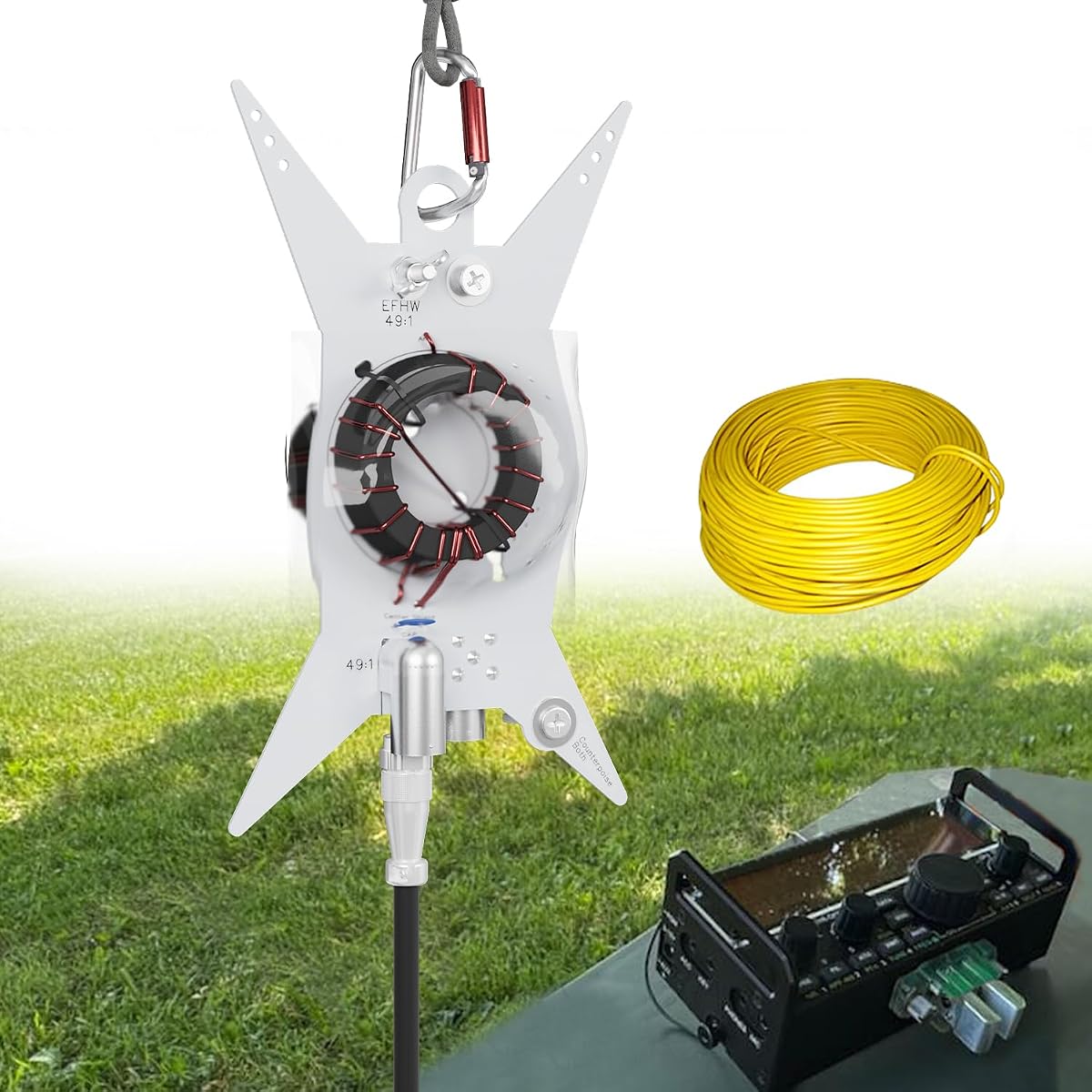
Double sided 49:1 9:1
Compact lightweight construction
Easy versatile mounting options
This guide compares the top ten end fed antennas for ham radio including performance, durability, and ease of setup for field and home stations.
Selecting the right end fed antenna for ham radio is essential for clear communication and reliable signal transmission across various frequency bands. These antennas simplify setup by requiring minimal components and offering strong performance without complex tuning systems in many cases.
We evaluated ten leading models based on build quality, bandwidth coverage, power handling, and user feedback to determine which options deliver the most consistent results. Our comparison focuses on features that matter most to portable operators and home station enthusiasts seeking efficient HF solutions.
Each selection highlights specific strengths and ideal use cases so you can match an antenna to your operational needs and environment. Keep in mind that availability and pricing may fluctuate over time so verify current details before making your final purchase decision.
4.6Editor score

4.7Editor score

4.6Editor score
This side by side comparison presents all ten selected models with their core specifications and key attributes to help you identify the best fit for your specific amateur radio operations.

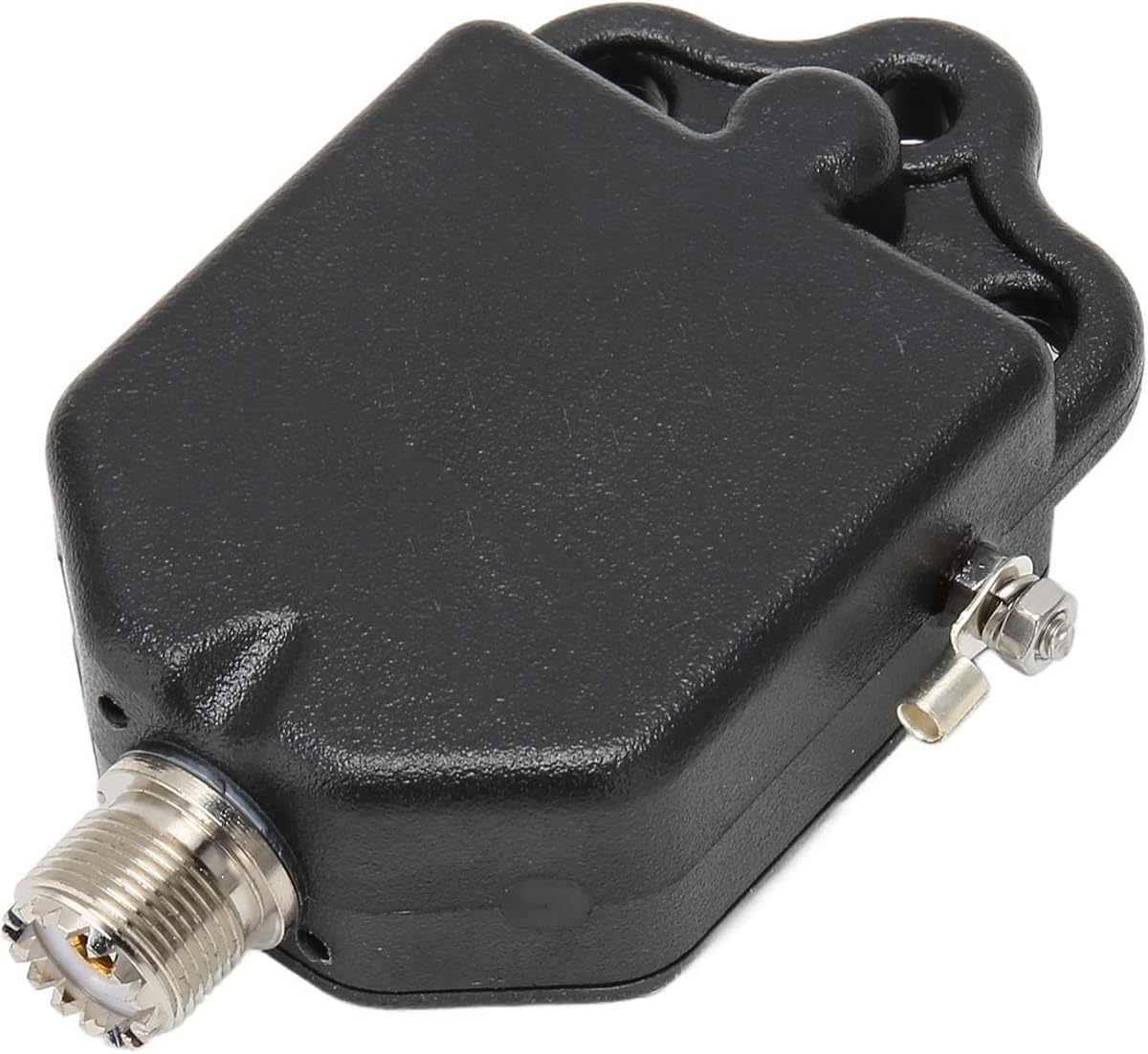
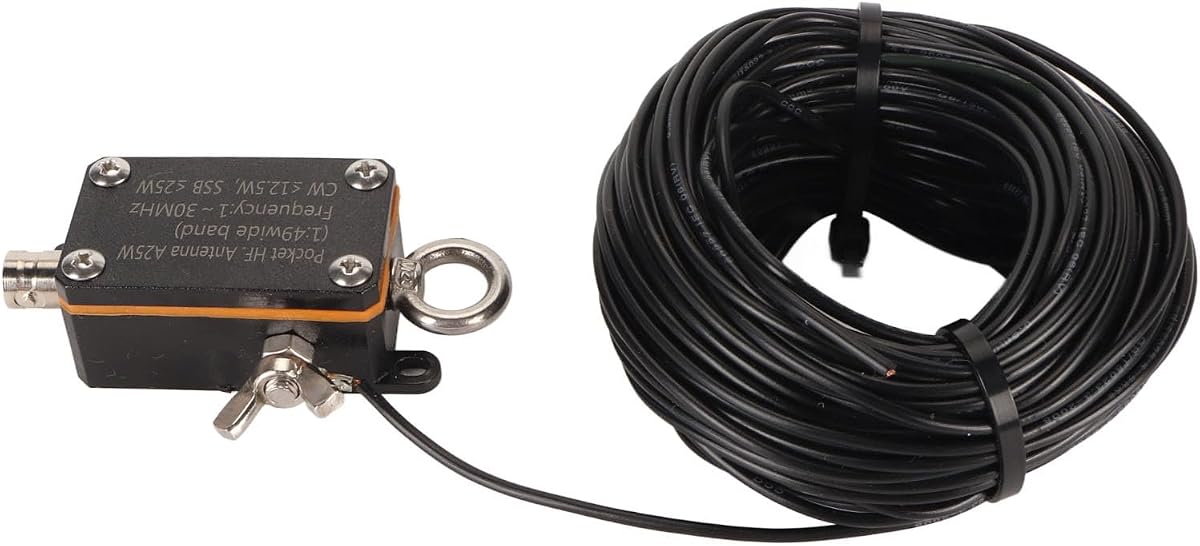


This model earns its top ranking with reliable performance across four popular HF bands and an integrated balun that eliminates the need for external tuning equipment. It maintains strong ratings for durability and ease of use in both field and home environments.
We may earn a commission when you buy through this link, at no additional cost to you.
Its integrated 1:64 balun enables efficient multi-band performance without external tuning which simplifies installation for operators of all skill levels. The heavy-gauge wire and reinforced insulators ensure stable operation even under varied weather conditions while the air-convection cooling helps maintain consistent performance during long sessions.
Operators should note that optimal performance requires keeping the antenna clear of obstacles and metal surfaces which may limit placement options in very tight urban backyards. The price is higher than basic alternatives but the build quality and reliable output justify the investment for serious users.
This antenna is ideal for amateur radio enthusiasts who need a versatile and durable solution for permanent stations or frequent field activations like POTA and SOTA. Its combination of low SWR robust construction and simplified setup makes it a highly recommended choice for most scenarios.
The built-in impedance transformer allows direct connection to most transceivers without requiring a separate antenna tuner for standard HF bands.
Sealed housing and UV-resistant materials ensure the antenna withstands long-term exposure to rain sun and wind without performance degradation.
We may earn a commission when you buy through this link, at no additional cost to you.
This antenna offers unique flexibility by combining two balun ratios in a single unit allowing operators to switch between resonant and random wire setups. While it has a lower overall rating it provides good value for those who want multiple operational modes without buying separate units.
We may earn a commission when you buy through this link, at no additional cost to you.
The double-sided design includes both a 49:1 and a 9:1 transformer giving users the ability to adapt to different band requirements and installation constraints. It is designed for easy mounting in various orientations and uses high-quality materials to withstand outdoor elements including wind and rain.
The 9:1 side requires an external tuner which adds complexity and cost compared to single-ratio units and the lower average rating suggests some users may experience inconsistency in performance. The compact size is excellent for portability but may sacrifice some long-term durability in harsh permanent installations.
This model suits operators who value versatility and portability over maximum performance and can manage an external tuner for certain setups. It is a solid choice for occasional field use or those experimenting with different antenna configurations without committing to multiple purchases.
Having both balun ratios available in one unit allows quick adaptation between resonant half-wave and random wire setups.
Its compact build makes it easy to carry in field kits for temporary deployments during emergency communications or casual operation.
We may earn a commission when you buy through this link, at no additional cost to you.
Offering strong performance at a lower cost this model provides a double-sided balun setup that supports both resonant and random wire configurations. Its high user ratings indicate reliable performance despite the budget-friendly price making it an excellent entry point for new operators.
We may earn a commission when you buy through this link, at no additional cost to you.
The inclusion of both 49:1 and 9:1 transformers allows flexibility in deployment without needing multiple antennas. It supports a wide frequency range and features a compact build that is easy to carry and mount in various orientations for both permanent and temporary setups.
Users should expect to trim wires to suit specific frequencies and power handling is limited compared to higher-end models so it is best for low-power digital or CW operations. While durable it may not withstand extreme weather as well as more robust constructions over many years.
This antenna is ideal for beginners or operators on a tight budget who want versatile multiband capabilities without sacrificing core reliability. It provides a solid foundation for learning antenna setup and field operations while keeping costs manageable.
Dual balun ratios in one affordable unit reduce the need for additional gear while covering multiple operating scenarios.
Simple mounting options and lightweight construction make it easy for newcomers to deploy in a variety of outdoor environments.
We may earn a commission when you buy through this link, at no additional cost to you.
This antenna offers wide frequency coverage from 1 to 30MHz with standard interfaces that simplify connection to most transceivers. Its compact size and solid power handling make it a practical choice for mobile or portable operations where space and weight are concerns.
We may earn a commission when you buy through this link, at no additional cost to you.
The 1:64 balun supports both 4-band and 8-band configurations allowing flexibility based on the wire length prepared by the user. It uses premium ABS materials to provide good durability while maintaining a lightweight form factor that is easy to transport to remote locations.
Operators must prepare and trim wire to specific lengths for optimal performance on desired bands which adds a small task during setup. Weather resistance is moderate so long-term outdoor installations in harsh climates may benefit from additional protection or shelter.
This model is well-suited for field operators who need reliable multi-band coverage without bulk and are comfortable with minor wire preparation. It balances performance and portability effectively making it a strong contender for SOTA or emergency communication deployments.
Coverage from 1 to 30MHz ensures compatibility with many amateur and shortwave bands without requiring multiple antennas.
The standard SO-239 interface allows quick attachment to most radio units without proprietary adapters or cables.
We may earn a commission when you buy through this link, at no additional cost to you.
Designed for maximum portability this short antenna fits easily in a backpack or pocket while still covering the full HF range. It is ideal for hikers or operators who need a lightweight solution for quick field tests or emergency communications on the move.
We may earn a commission when you buy through this link, at no additional cost to you.
The 1:49 balun simplifies setup by allowing direct connection to transceivers without external tuning equipment. Its PVC construction keeps weight low while providing basic durability for temporary setups though it is not intended for permanent outdoor exposure.
Power handling is low which limits its use to low-power modes like CW or digital data rather than full SSB transmissions. The lightweight build means it may sway or shift in wind and requires careful placement to maintain stable performance in field conditions.
This antenna is perfect for emergency kits or recreational operators who prioritize size and weight over power and durability. It serves well for short duration field ops where rapid deployment and minimal gear are essential requirements.
Its small form factor makes it ideal for inclusion in emergency or field kits where every ounce matters.
Simple connection and minimal wire requirements allow operators to get on air within minutes of arrival.
We may earn a commission when you buy through this link, at no additional cost to you.
This long wire antenna has earned perfect ratings from users who value its broad coverage and simple design. It serves well for operators who need reliable HF performance across many bands without complex tuning systems or specialized hardware.
We may earn a commission when you buy through this link, at no additional cost to you.
Its long wire design captures signals effectively across the HF spectrum making it ideal for DXing and multi-band operation. The straightforward build reduces potential failure points and ensures stable performance in diverse environments including remote field deployments.
Operators need sufficient space to install a long wire and may require a separate antenna tuner for optimal SWR on all bands. The wire length and height requirements mean it may not suit small urban yards but works well in rural or open areas.
This antenna is a strong choice for dedicated HF operators who have adequate space and want a low-maintenance solution with proven reliability. Its simplicity and effectiveness make it a timeless option for both fixed stations and portable operations.
The long wire structure enhances signal capture which supports better reach for long-distance communications.
Fewer components mean fewer points of failure and easier maintenance over extended periods of use.
We may earn a commission when you buy through this link, at no additional cost to you.
With high user ratings and strong power handling this antenna delivers reliable performance across a wide range of HF bands. Its optimized balun minimizes signal loss ensuring consistent output even for long-distance communication scenarios in varied conditions.
We may earn a commission when you buy through this link, at no additional cost to you.
The 1:64 matching ratio supports eight bands without a tuner which simplifies operation for operators who need quick access to multiple frequencies. The ABS housing offers solid durability and weather resistance making it suitable for both permanent and temporary outdoor installations.
Users will need to trim the wire to specific lengths for the best results which adds a small setup step compared to pre-tuned models. The antenna performs best when kept away from large obstacles and metal surfaces to maintain its intended radiation pattern.
This model is ideal for users who need a reliable multiband solution with robust power handling and proven performance. It balances versatility and durability well making it a practical choice for both home stations and field operations.
The enhanced balun reduces impedance mismatches leading to more efficient transmission and fewer signal losses.
Durable ABS housing ensures long-term stability even with repeated setup and teardown cycles in outdoor conditions.
We may earn a commission when you buy through this link, at no additional cost to you.
This upgraded model emphasizes durability with a waterproof ABS shell that supports long-term outdoor use in varied weather. Its high power handling and wide frequency range make it a versatile option for operators needing reliable performance across multiple amateur bands.
We may earn a commission when you buy through this link, at no additional cost to you.
The 1:64 balun supports both four and eight band setups providing flexibility based on wire length and tuning. Users report quick installation and consistent signal quality which helps during emergency deployments and field activations where reliability is critical.
Trimming wires to desired frequencies remains necessary for optimal performance and the unit may be slightly heavier than more compact alternatives. However its weatherproof design offers better long-term reliability in exposed locations than less protected models.
This antenna is recommended for operators who need a balance of power durability and multi-band support. It is well-suited for environments with unpredictable weather or for users who want a dependable solution for both permanent and portable setups.
Waterproof construction ensures continued operation even during rain or high humidity without performance degradation.
Supports higher wattage modes allowing users to push more power without risking damage to the balun or feed point.
We may earn a commission when you buy through this link, at no additional cost to you.
This professional-grade antenna delivers broadband multiband performance without requiring an external tuner. Its high build quality and user ratings make it a dependable choice for operators who value reliable signal quality and simplified setup in outdoor settings.
We may earn a commission when you buy through this link, at no additional cost to you.
The 1:64 balun covers 1 to 30MHz allowing seamless operation across all HF bands with a single wire. High-hardness ABS material ensures resistance to wear and environmental stress while the compact form makes it easy to transport to remote field locations.
Users will need to trim the wire to match desired frequencies for optimal SWR which adds a step to the initial setup. The price may vary and some users may prefer models with pre-cut lengths if they want to avoid wire preparation.
This antenna is ideal for serious enthusiasts who want robust multiband performance and solid construction for outdoor use. It offers a professional solution that balances ease of use with reliable transmission capabilities across a wide range of HF bands.
Wide frequency support ensures operators can access multiple bands without switching antennas or using complex tuning systems.
High-quality ABS housing provides long-lasting protection against environmental wear and physical impacts during transport or use.
We may earn a commission when you buy through this link, at no additional cost to you.
This premium model features eight-band natural resonance and cold-drawn copper wire to ensure consistent performance without tuning. Its high power handling and solid build make it a top choice for users who want maximum reliability and efficiency across all HF bands.
We may earn a commission when you buy through this link, at no additional cost to you.
The 64:1 balun provides stable impedance matching across bands while the 130-foot wire supports multiple amateur bands with low SWR. High-quality materials and precision construction ensure durability and long service life even under demanding operating conditions.
The price point is higher than most alternatives and proper installation height is critical for achieving the advertised performance levels. However the quality of components and engineering justify the cost for users who prioritize long-term reliability and signal integrity.
This antenna is best for serious operators who want a high-end solution with broad band coverage and minimal setup complexity. Its robust design and superior materials make it a premium choice for both permanent home stations and critical field operations.
Cold drawn multi-strand copper wire improves conductivity and durability for enhanced signal performance over long periods.
Eight-band resonance allows operation without external tuning ensuring quick access to multiple frequencies during activation.
We may earn a commission when you buy through this link, at no additional cost to you.
Selecting the right end fed antenna involves evaluating several key factors to ensure it meets your operational goals and installation environment.
Check which HF bands the antenna supports. Models may cover four bands such as 10 15 20 and 40m or offer eight-band or full 1 to 30MHz coverage. Choose a model that matches the bands you use most to avoid unnecessary tuning or multiple purchases.
Match the coverage to your operating habits to ensure you have reliable access to the frequencies you need most often.
Confirm the antenna can handle your typical transmit power. Common ratings include 60 100 and 150 watts for SSB while digital modes like FT8 have lower limits. Operating above rated power can damage the balun or reduce antenna lifespan.
Ensure the power rating aligns with your typical operating modes and wattage to avoid component failure.
The balun transformer ratio such as 1:49 or 1:64 determines how well the antenna matches your transceiver. Some models include dual ratios for flexibility while others are fixed. Choose one that suits your bands and whether you prefer a tuner-free setup.
Select a balun ratio that matches your bands to simplify setup and improve overall system efficiency.
Housing materials like ABS or PVC and wire type impact long-term durability. Weatherproof and UV-resistant builds are essential for outdoor exposure. Heavy-gauge wires and reinforced insulators improve performance and reduce the risk of breakage.
Choose materials suited to your climate and exposure to ensure reliable long-term performance.
Consider how often you move the antenna. Compact and lightweight models are better for field ops while larger permanent installations can use longer wires. Check included ropes or mounting accessories to ease setup time.
Evaluate portability needs against setup complexity to find a unit that fits your deployment style.
End fed antennas perform best at certain heights and clearances. Most models recommend at least 3 to 5 meters from metal or obstacles. Ensure you have adequate space and support points for the required wire length and height.
Verify your available space meets the height and clearance needs to achieve optimal signal transmission.
Compare costs against features like band coverage durability and ease of use. Higher prices often bring better build quality and broader performance. Balance your budget with needs to avoid overpaying or compromising essential capabilities.
Select a model that fits your budget while delivering the performance features you need most.
Look for models with strong user feedback on reliability and performance. High ratings and detailed reviews can reveal real-world strengths and weaknesses. This helps you avoid units with recurring issues that may not suit your setup.
Use community feedback to validate claims and confirm the unit meets expectations in practical use.
Before first use prepare the wire length by trimming it to the recommended measurement for your desired bands. Use a wire cutter and secure the ends with the included clamps to maintain good electrical contact and reduce signal loss at the feed point.
Install the antenna by attaching one end to a secure support and suspending the wire horizontally or vertically away from obstacles and metal. Position the balun close to the radio and connect using the standard SO-239 interface ensuring all connections are tight and weatherproof.
Inspect the antenna every six months for signs of wear fraying or damage especially after storms. Clean the balun housing and check all connectors for corrosion. Proper storage and regular maintenance will extend the lifespan and maintain consistent performance in your setup.
Many end fed antennas include built-in baluns that remove the need for external tuners on specific bands. However if you operate across many frequencies or use non-resonant setups a tuner may still be beneficial. Check your model's capabilities before purchasing additional gear.
For best results aim to mount at least 3 to 5 meters above the ground and away from large metal objects. This clearance reduces interference and helps the antenna maintain a clear radiation pattern. Higher mounting generally improves signal strength and distance.
While durable models feature weatherproof housings extreme weather can still stress the wire and mounting points. Secure supports and tension lines help prevent damage but you may want to take down the antenna during severe storms to preserve its life.
Most models support 100 to 150 watts for SSB and lower levels for digital modes. Stay within the stated ratings to avoid overheating or damaging the balun. Digital operators should check limits for modes like FT8 or FSK to maintain reliable operation.
Choose a 4-band model if you mostly use 10 15 20 and 40m for field ops. An 8-band unit adds more frequency flexibility which is better for home stations or varied operating habits. Your regular band choices should guide this decision.
Wire length typically ranges from 20 meters for basic models to over 40 meters for broader coverage. Trim the wire to match the desired bands using manufacturer guidelines. Proper length ensures lower SWR and better overall efficiency across frequencies.
Yes many are designed for portability with compact baluns and lightweight wire. Use quick mounting solutions like lightweight ropes or poles for easy setup in field conditions. Their simplicity makes them ideal for rapid deployment during outdoor activations.
Regularly inspect the wire and balun for wear especially after weather events. Check connectors for corrosion and tighten any loose fittings. Storing it indoors during off-seasons or replacing damaged parts will extend its reliable service life.
The top picks offer strong performance across different needs from budget-friendly portability to robust multi-band solutions. Whether you prioritize cost ease of setup or wide frequency coverage each model provides reliable operation for both field and home environments.
Focus on factors like band coverage power handling and durability to match an antenna to your operating style. A well-chosen unit ensures clear communication without complex tuning while with to weather and frequent deployment over time.
Check current product availability and verify all details before purchase as features or pricing may change. These ten models represent the most reliable choices available to support your amateur radio activities across a range of environments.