
Dorhea 7 Pack 3.3V DC-DC Buck Converter 3 Pins AMS1117-3.3V
4.2Editor score
AMS1117-3.3 linear regulator core
Supports 4.75 to 12V input
Simple 3 pin connection design
This guide compares the top 5V to 3V voltage regulator options for stability and efficiency in embedded and hobby projects.
Choosing the right voltage regulator ensures your circuits run smoothly without damage. A good model converts higher input voltages safely to stable lower outputs needed by sensitive electronics.
We evaluated ten top-rated modules based on input ranges, output current, size, and protection features. Our list covers both linear and switching options for various project needs.
Each pick highlights key specs, pros, and ideal use cases to help you decide. Prices and availability change often so check current listings before buying your next component.
4.2Editor score

4.6Editor score
4.9Editor score
This side by side comparison shows key specs across all ten selected voltage regulator modules for easy reference and quick selection.


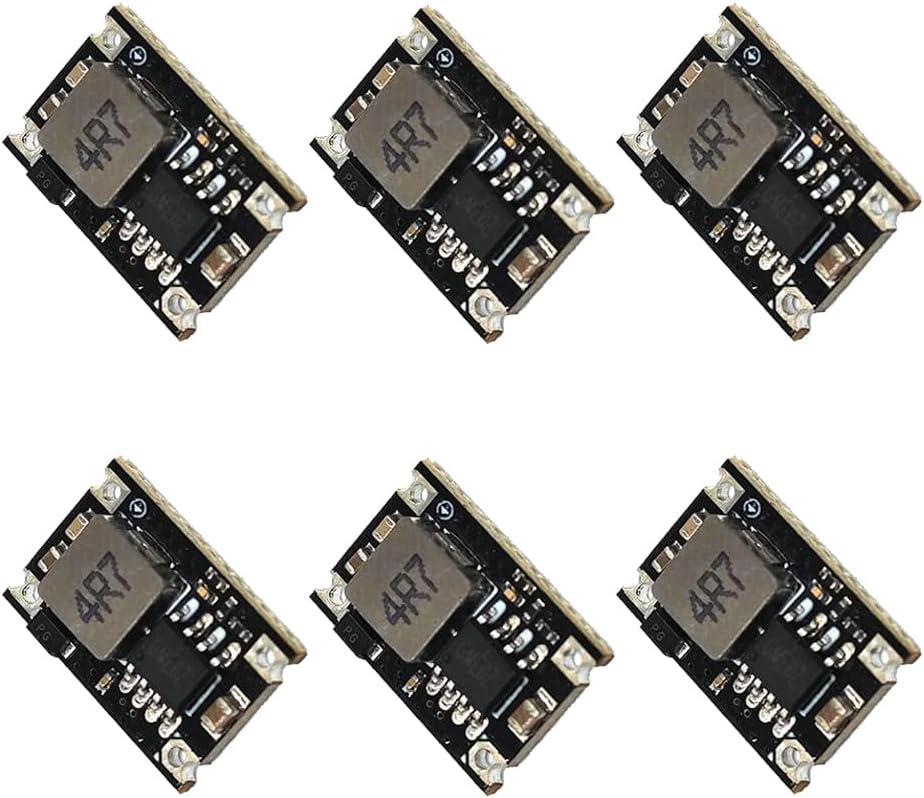
This 5 pack bundle offers excellent value for builders needing stable 3.3V power from higher voltage sources like 12V or 24V supplies. With a 4.5 to 24V input range it handles many common power adapters or batteries without issue. Users praise its low ripple and consistent output which protects sensitive microcontrollers and sensors from voltage fluctuations.
We may earn a commission when you buy through this link, at no additional cost to you.
The module uses switching regulation to deliver up to 1.8A while staying cool and efficient. Its ultra small footprint fits easily into tight PCB layouts or portable devices where space is limited. The built in overvoltage and short circuit protection add peace of mind for hobbyists and professionals alike.
One trade off is the need for external protection when driving motors or servos as inductive loads can cause voltage spikes. The solder pins are tiny so a steady hand is required to attach wires properly without overheating the board. These issues are minor and manageable with careful wiring.
Anyone building Arduino ESP32 or STM32 projects will find this pack ideal for powering logic circuits reliably. It is perfect for prototyping multiple boards or expanding existing setups with clean stable power. We highly recommend it as a top choice for its versatility and performance.
The 4.5 to 24V input allows connection to 5V 9V 12V and 24V supplies making it versatile for many power sources.
Its 17.5 by 12 by 4.5 millimeter size ensures it fits into narrow spaces of DIY embedded or portable projects easily.
We may earn a commission when you buy through this link, at no additional cost to you.
This pack of ten linear regulators is a practical solution for projects requiring steady 3.3V from inputs between 4.75V and 12V. The AMS1117-3.3 chip ensures a fixed output that suits low power microcontrollers like ESP32 or STM32 when current draw stays under 800mA.
We may earn a commission when you buy through this link, at no additional cost to you.
Its simple dual panel layout with single row pins makes wiring straightforward for beginners and experienced users alike. The built in overheat shutdown protects the chip during abnormal conditions so it won't fail unexpectedly under stress.
Since it is a linear regulator it dissipates excess heat which limits use for high current or battery sensitive designs. The 10 pack is great for stocking up but individual modules might be more than needed for small one off builds.
Ideal for SCM project designs or instrument circuits needing clean power without switching noise this pack offers dependability. It is a solid choice for low consumption boards where heat and efficiency matter less than simplicity and cost.
Input and output use 2 pin single row pins for easy connection to MCU development boards and other circuits.
AMS1117 overheat shutdown circuit provides overload and over temperature protection to prevent chip damage during misuse.
We may earn a commission when you buy through this link, at no additional cost to you.
These converters stand out because they can step up or down to maintain a steady 3.3V from inputs ranging from 1.8V to 5V. This flexibility makes them ideal for battery powered devices where voltage drops below 3.3V during use.
We may earn a commission when you buy through this link, at no additional cost to you.
Their tiny size and low current draw suit sensor nodes wearables or small microcontrollers needing consistent power from AA or lithium cells. The 5 pack allows builders to test different battery configurations or power several devices in one project.
The main limitation is the 100mA maximum which rules out motors or displays. It also lacks protection features like overcurrent shutdown found in larger buck modules so external fuses may be needed for safety.
For low power IoT or embedded projects this module delivers reliable performance where traditional buck regulators fall short. It is a unique option for anyone needing both step down and step up capabilities in one tiny board.
The 1.8V to 5V input range supports both step down and step up conversion for stable 3.3V output.
Its compact design and low power draw make it ideal for battery powered devices needing stable voltage.
We may earn a commission when you buy through this link, at no additional cost to you.
This mini buck module uses the Mini360 chip to deliver up to 1.5A while keeping a tiny footprint similar to the first pick. It handles inputs from 4.5V to 24V making it suitable for 5V 9V 12V or 24V sources.
We may earn a commission when you buy through this link, at no additional cost to you.
Its switching frequency reaches 1.5MHz which keeps ripple below 30mV and output stable under load. The compact size fits neatly into tight spaces ideal for drones wearables or embedded systems where board real estate is limited.
Like many buck converters it recommends adding Zener diodes and capacitors when powering motors to prevent ripple from affecting downstream chips. The soldering points are small which may challenge beginners but results in clean compact wiring.
Best for users needing high current in a small package this pack offers excellent performance for prototyping and production alike. It is a top contender for its combination of efficiency size and current capacity.
The Mini360 chip allows output current up to 1.5A while maintaining a very small physical size.
Output ripple stays under 30mV thanks to 1MHz to 1.5MHz switching frequency for clean power.
We may earn a commission when you buy through this link, at no additional cost to you.
The Dorhea 7 pack delivers solid value with modules based on the reliable AMS1117-3.3 linear regulator. It supports inputs from 4.75V to 12V and provides a stable 3.3V output up to 800mA for most microcontrollers.
We may earn a commission when you buy through this link, at no additional cost to you.
Its 3 pin layout makes connections simple and quick for beginners building Arduino or ESP32 circuits. The built in overheat shutdown protects against damage from excessive current or temperature spikes during use.
As a linear regulator it generates more heat than switching options so it is less efficient for long battery life applications. The 7 count pack is great for classroom kits or prototyping but may be overkill for single use.
Those seeking an affordable and simple 3.3V power source for low current boards will find this pack a smart buy. It is a practical solution for hobbyists on a budget needing consistent voltage without complexity.
The 3 pin design allows easy connection to MCU development boards and electronic devices for quick prototyping.
AMS1117 overheat shutdown circuit provides overload and over temperature protection to prevent damage.
We may earn a commission when you buy through this link, at no additional cost to you.
This 15 piece pack offers exceptional value for those needing many linear voltage regulators for classrooms or large projects. Each module uses the AMS1117-3.3 to provide a fixed 3.3V output from 4.75V to 12V inputs.
We may earn a commission when you buy through this link, at no additional cost to you.
Its dynamic voltage difference control minimizes power consumption by adjusting impedance as load changes. This feature helps maintain stability and reduces heat compared to standard LDOs especially in portable devices.
The built in protection against overheat and overcurrent ensures longevity during testing or misuse. However the bulk quantity may be excessive for individual hobbyists unless they plan multiple builds.
For makers needing dependable 3.3V power across many boards this pack is a smart stock up choice. It suits notebook computers smart phones embedded systems and industrial control setups needing stable low voltage.
Dynamic voltage difference control reduces power consumption by adjusting regulator tube impedance based on voltage drops.
The 3 pin VIN OUT and GND design simplifies circuit connections for Arduino STM32 and similar boards.
We may earn a commission when you buy through this link, at no additional cost to you.
This board offers a wide input range of 5V to 30V and a high 1.8A output suitable for many power demanding tasks. Its compact PCB design fits easily into tight layouts while maintaining stable 3.3V output.
We may earn a commission when you buy through this link, at no additional cost to you.
Reverse polarity marks on the board help prevent wiring mistakes that could damage the module or connected devices. The low ripple under 30mV ensures clean power for microcontrollers and sensitive electronics during operation.
Some users report inconsistencies or lower ratings which may reflect quality variance in batches. Soldering remains tricky due to small pad sizes and extra care is needed to avoid short circuits.
Despite minor drawbacks the high current capacity and protection features make it useful for prototyping or industrial use. It is a strong option for users needing wide input flexibility in a small form factor.
The 5V to 30V input range supports various power sources from 5V to 30V for diverse applications.
The PCB board includes a reverse polarity mark to protect the circuit and suppress ripple for safety.
We may earn a commission when you buy through this link, at no additional cost to you.
This module supports a broad 4.5V to 30V input range and delivers a stable 3.3V output suitable for many embedded systems. Its compact design fits wearables drones and tight PCB layouts without sacrificing performance.
We may earn a commission when you buy through this link, at no additional cost to you.
Users appreciate its clean output under 30mV ripple and readiness for common boards like Arduino and STM32. The 1.8A peak current handles most microcontroller and sensor needs efficiently during normal operation.
While it lacks explicit overheat protection details the tested quality and compact build suggest reliability for prototyping. Handling the tiny modules requires care to avoid damaging the pins or surrounding components.
For makers seeking a versatile compact buck regulator for IoT or vehicle power this pack offers solid value. It is a dependable choice for building reliable low voltage power solutions across multiple projects.
Its 17.5 by 12.3 by 4.3mm size fits wearables drones IoT devices and tight PCB layouts perfectly.
With 4.5V to 30V input it works with 12V or 24V batteries solar panels and vehicle power.
We may earn a commission when you buy through this link, at no additional cost to you.
This pack of ten AMS1117 based modules provides simple 3.3V power for projects with inputs between 4.5V and 7V. Each unit delivers up to 800mA which suits most common microcontrollers and sensor circuits well.
We may earn a commission when you buy through this link, at no additional cost to you.
The automatic adjustable boost board start limit voltage adds basic safety against overcurrent or overheating during use. The 10 piece count makes it ideal for classrooms or bulk prototyping where multiple boards are tested.
Due to its linear nature it is not efficient for high current draws or long battery life applications. The limited input range means it works best with 5V supplies and not higher voltages.
Best for small hobby builds or educational kits this pack offers reliable and affordable 3.3V regulation. It is a practical pick for beginners needing simple drop in power modules without complexity.
Input voltage must be more than output voltage high 1V above which means 4.5 to 7V input works best.
The automatic adjustable boost board start limit voltage helps protect the module from damage.
We may earn a commission when you buy through this link, at no additional cost to you.
This pack uses the premium MP1584EN chip to deliver up to 1.8A in an ultra small 17 by 11 by 3.6mm footprint. It handles inputs from 4.5V to 24V and keeps output at 3.3V for clean reliable power.
We may earn a commission when you buy through this link, at no additional cost to you.
The switching frequency up to 1.5MHz ensures ripple stays below 30mV even under load. Its tiny size suits aircraft models drones and tight PCB layouts where space is a major constraint.
Like other buck modules it needs extra protection like Zener diodes for inductive loads to avoid damaging downstream chips. The compact solder pads require steady hands and quality tools for best results.
For advanced makers needing high current efficiency in a tiny package this pack is a top tier option. It balances performance size and cost well for production or high end prototyping projects.
The MP1584EN chip allows 1.8A output in a small 17 by 11 by 3.6mm size.
Output ripple stays under 30mV with 1MHz to 1.5MHz switching frequency for stable power.
We may earn a commission when you buy through this link, at no additional cost to you.
Selecting the right voltage regulator requires matching input voltage output current and size to your project needs for reliable performance.
The input voltage range determines which power sources the regulator can accept. Most buck regulators accept 4.5V to 30V or more which covers common 5V 9V 12V and 24V supplies. Choosing one that matches your main power source prevents damage and ensures stable operation.
Always check that the module accepts at least your highest expected input voltage to avoid overheating or failure.
Output current capacity defines how much load the regulator can power safely. Modules offering 1.8A suit microcontrollers sensors and small displays while 800mA linear types fit low power boards. Exceeding current ratings causes voltage drops and potential damage.
Select a regulator with at least 20 percent higher current than your project needs to allow for headroom.
Switching regulators use high frequency switching to convert voltage efficiently with less heat. Linear regulators use simpler internal components that are quieter but less efficient at high current. For battery projects switching is better while linear fits low current noise sensitive circuits.
Use switching for efficiency and heat reduction or linear for clean power where current stays under 800mA.
Small footprints help fit regulators into compact enclosures or tight PCB layouts. Modules around 17 by 12 by 4mm are common for mini buck designs and fit portable projects well. Larger modules might add heat sinks or connectors that increase overall size.
Prioritize compact size for wearables drones or tight PCBs to keep your build lightweight and small.
Built in protection like overheat and overcurrent protection prevents damage from shorts or excessive load. Some regulators add Zener diodes or capacitors for inductive load protection needed for motors and servos. These features extend lifespan and protect downstream components.
Look for overheat and overcurrent protection to ensure your regulator and connected devices stay safe during use.
Regulators come in packs from 5 to 15 pieces which affect cost per unit and availability for multiple builds. Buying more than needed saves money but adds clutter if only one unit is required. Consider future projects or group needs when choosing pack size.
Choose packs that match your project quantity to avoid waste and get the best value for money spent.
Many mini modules have small solder pads that require fine tip irons and steady hands. Proper soldering ensures good electrical connections and avoids short circuits that can damage boards. Using flux helps flow and makes joints reliable for long term use.
Ensure you have proper soldering tools and patience to handle tiny pins without damaging components or pads.
Output ripple measures voltage noise and should stay under 30mV for stable power to sensitive electronics. Low ripple protects microcontrollers and sensors from false readings or restarts due to power noise. Most buck modules achieve this with switching frequencies over 1MHz.
Select regulators with ripple under 30mV to keep your circuits running smoothly without unexpected resets.
Connect the input and output terminals securely to your power source and load ensuring correct polarity to avoid shorts. Use proper gauge wires to support required current without excess resistance that could cause voltage drops or overheating.
Add capacitors or diodes for inductive loads like motors to prevent back EMF spikes from damaging the module or microcontroller. Check datasheets for recommended protection components and solder them close to the regulator for best results.
Ensure proper airflow or small heatsinks if operating near maximum current to prevent overheating and reduce heat related failure. Regularly inspect solder joints for cracks or corrosion over time and replace modules showing signs of excessive heat or damage.
Most buck regulators work well with 4.5V to 30V inputs which covers common 5V 9V 12V and 24V power supplies. Check the datasheet to confirm your input does not exceed the module maximum. Staying within this range prevents overheating and ensures stable output.
Linear types like AMS1117 provide up to 800mA while switching buck modules can supply 1.5A to 1.8A peak. Choose based on your load needs and ensure your regulator has margin. Exceeding ratings risks voltage drop and permanent damage to the regulator or connected devices.
Switching regulators are better for battery projects because they dissipate less heat and are more efficient at high current. Linear regulators produce more heat but are quieter and simpler for low current devices. For long battery life prioritize switching efficiency over linear simplicity.
Add a flyback diode and capacitor across motor terminals to absorb back EMF spikes generated during switching or shutdown. This prevents voltage spikes from reaching the regulator and damaging connected microcontrollers or chips. Always place protection components near the load for best results.
Most devices designed for 3.3V tolerate small variations and will work safely with 3.3V supply. Pure 3V devices may also function but check their voltage tolerance in the datasheet. Using 3.3V regulators is standard for most microcontrollers and sensors designed for low voltage.
Voltage ripple comes from switching noise and inductance in the power path especially at high current. Using low ESR capacitors near the regulator and proper PCB grounding reduces ripple effectively. Most modern buck modules keep ripple under 30mV with correct layout and components.
Small buck regulators usually do not need external heatsinks unless operated at maximum current in high ambient temperatures. Airflow and proper mounting on a PCB help dissipate heat naturally. Use a heatsink if the regulator gets hot to touch during continuous operation.
Buying packs of 5 to 10 units is practical for prototyping multiple boards or testing different setups. This allows spares for mistakes and scaling up builds without extra shipping costs. For larger projects buying 15 piece packs offers better cost per unit value.
The top picks cover switching buck modules for high current needs and linear regulators for simple low power projects. Each offers stable 3.3V output from inputs ranging 4.5V to 30V suitable for embedded hobby and industrial builds.
Prioritize input range current capacity and protection features when selecting a regulator to match your project requirements. Compact designs suit portable and wearable electronics while higher current modules power demanding boards or multiple devices safely.
Always check current prices and availability before buying as these change frequently on online stores. Use this guide to compare key specs and find the ideal 5V to 3V voltage regulator for your next build.