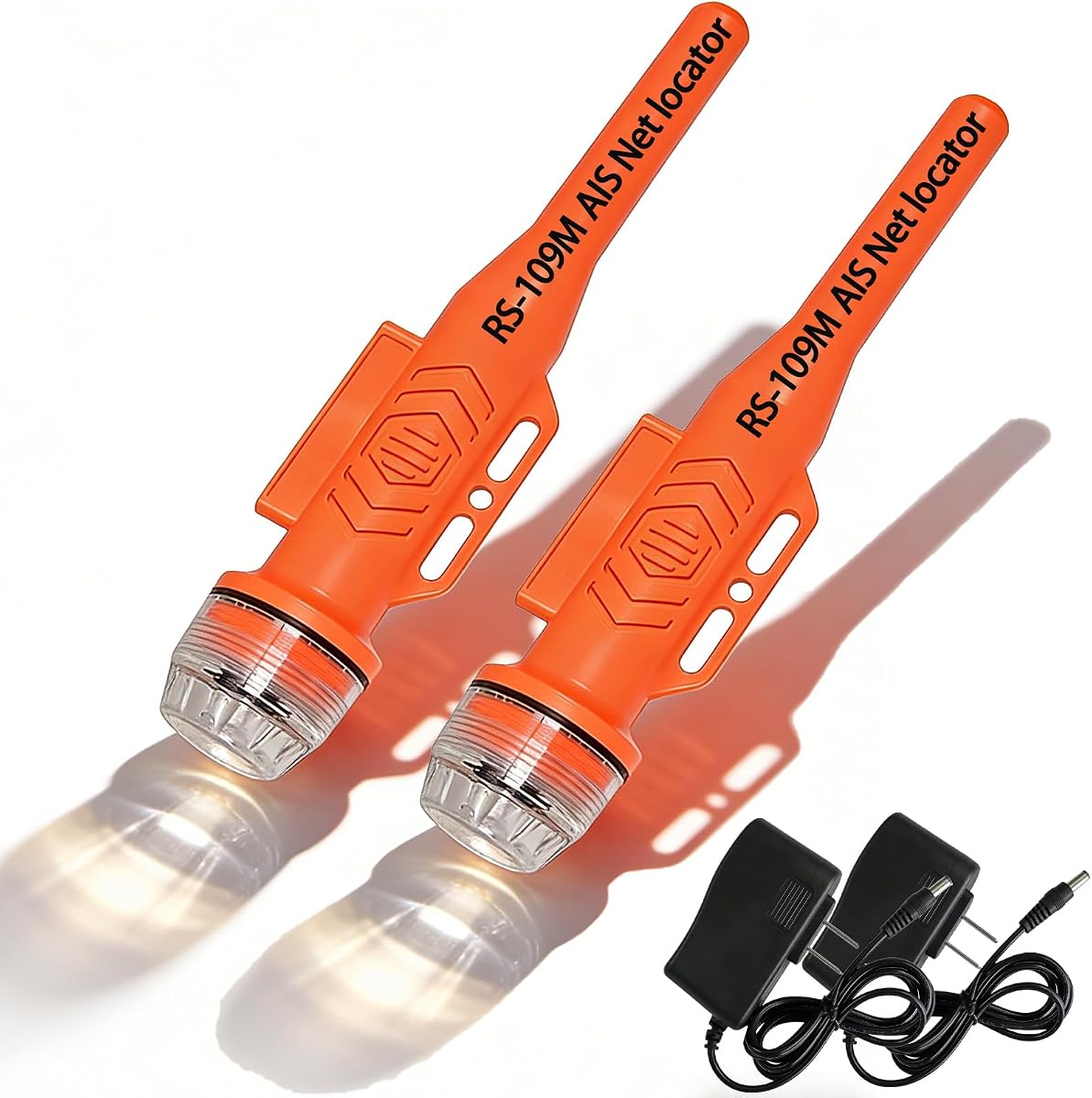
RS-109M Marine Net Locator
4.8Editor score
IPX7 waterproof design
10 nautical mile range
High sensitivity GPS module
Navigating modern waterways requires advanced safety tools like AIS transponders to identify nearby vessels and prevent collisions effectively on open seas.
We evaluated ten top rated models based on features reliability integration capabilities and user feedback to help you select the ideal system for your boat needs.
Each pick highlights unique strengths and real world performance data so you can make an informed choice for your vessel keeping in mind prices may vary.
4.8Editor score

4.9Editor score
4.7Editor score
As an Amazon Associate we earn from qualifying purchases.
Here is a side by side overview of every model we reviewed to help you quickly identify key differences in features and capabilities.




The Icom MA-510TR stands out as a top choice for boaters needing reliable AIS tracking with a clear interface for easy navigation.
We may earn a commission when you buy through this link, at no additional cost to you.
Its 4.3 inch color display makes viewing targets simple while integrated GPS ensures accurate positioning without extra hardware.
While it requires a compatible VHF for full DSC calling the seamless integration offers significant safety benefits for serious mariners.
This unit is ideal for those who want a dedicated AIS solution with modern features like silent mode and anchor watch alarms.
The vibrant display ensures targets are visible even in bright sunlight or low light conditions for safer passage planning.
Connectivity options allow easy interfacing with existing navigation systems to streamline vessel operations effectively.
We may earn a commission when you buy through this link, at no additional cost to you.
The NF-189 from EM-TRAK offers a solid Class B transponder solution for boats needing basic AIS capabilities without excessive cost.
We may earn a commission when you buy through this link, at no additional cost to you.
It supports both 12V and 24V power systems making it versatile for different vessel electrical setups across various boat types.
Though documentation may be limited the device performs reliably for transmitting and receiving traffic data in coastal and offshore waters.
This unit suits smaller vessels or those seeking a straightforward transponder that fits neatly into tight mounting spaces easily.
Support for dual voltage ensures compatibility with a wide range of marine electrical systems without requiring converters.
Its compact form factor allows installation in confined areas where larger units would not fit comfortably.
We may earn a commission when you buy through this link, at no additional cost to you.
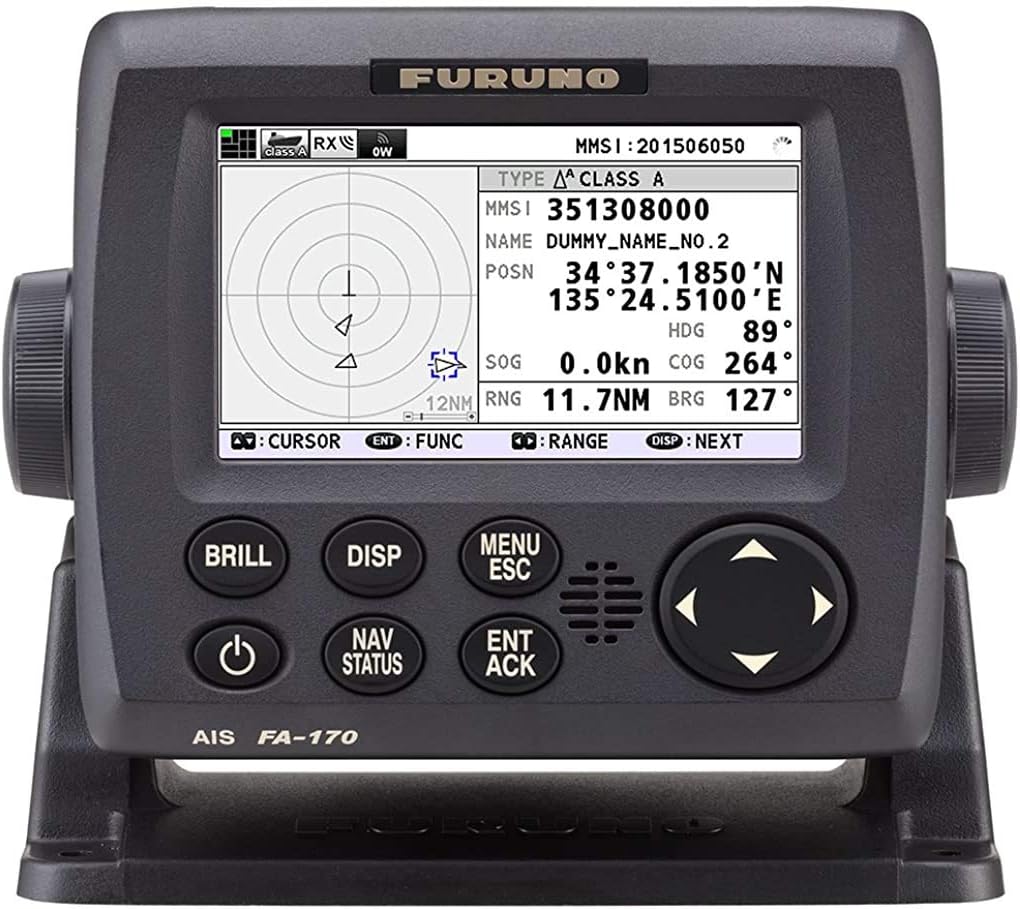
The Furuno FA170 Class A transponder delivers professional grade capabilities with extensive target storage and advanced safety alerts.
We may earn a commission when you buy through this link, at no additional cost to you.
Its ability to store over 2000 targets and flag dangerous ones provides critical situational awareness for large commercial or research vessels.
Multiple input output ports and LAN connectivity allow deep integration with complex navigation networks for seamless data management.
While the cost is high this model is unmatched for vessels requiring full Class A compliance and robust feature sets for long voyages.
The dangerous target list automatically highlights vessels on collision courses enhancing crew safety and decision making.
LAN and multiple ports support integration with ship systems for centralized monitoring and control.
We may earn a commission when you buy through this link, at no additional cost to you.
The RS-109M tracker offers specialized functionality for monitoring fishing nets or buoys with real time AIS position updates to.
We may earn a commission when you buy through this link, at no additional cost to you.
Its IPX7 waterproof design ensures survival in submerged conditions while high sensitivity GPS provides accurate location data always.
Battery status syncs directly to receivers giving users instant awareness of remaining power for continuous monitoring over weeks.
This two pack is perfect for fishermen needing reliable buoy tracking without investing in full scale vessel transponders.
Instant updates on position and battery allow quick responses to drift or power issues on the water.
Sealed housing protects internal electronics from water damage during long deployments in open seas.
We may earn a commission when you buy through this link, at no additional cost to you.
The Raymarine T70424 bundle simplifies installation by combining VHF radio and AIS into one cohesive system for Raymarine users.
We may earn a commission when you buy through this link, at no additional cost to you.
Fixed mount accessories included ensure a professional look and secure setup reducing time spent on wiring and mounting details.
This package is ideal for boat owners already invested in Raymarine displays who want seamless data integration across navigation tools.
While it is pricey it saves money compared to buying separate components and guarantees full system compatibility right from install.
Using Raymarine hardware ensures all communication and navigation data flows smoothly without conversion errors.
Included accessories facilitate a clean and secure mount that withstands rough marine environments effectively.
We may earn a commission when you buy through this link, at no additional cost to you.
The ACR RESQLINK is a specialized personal locator beacon that sends distress alerts via AIS to nearby vessels for rapid rescue.
We may earn a commission when you buy through this link, at no additional cost to you.
Return Link Service confirms rescue teams have received the signal offering peace of mind during solo sailing or fishing trips.
Its compact size and lightweight design make it easy to clip onto personal flotation devices without adding burden to the crew.
This device is essential for individuals prioritizing personal safety on the water where immediate visibility to rescuers is critical.
Receiving a confirmation signal ensures that help is on the way reducing anxiety during emergencies.
NFC mobile app access allows easy battery checks and maintenance tasks with a smartphone.
We may earn a commission when you buy through this link, at no additional cost to you.
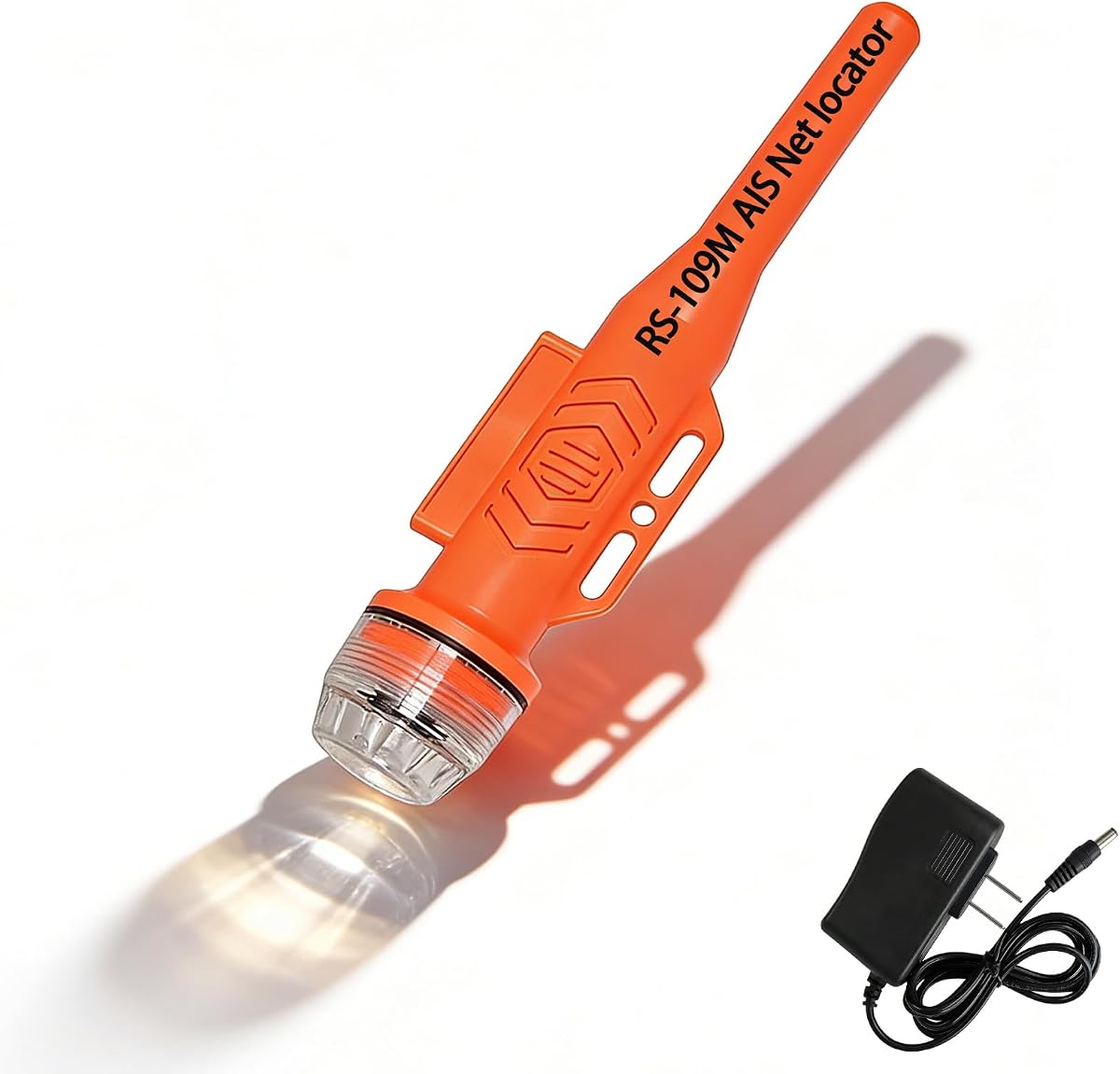
This single unit RS-109M offers an affordable entry point for tracking buoys or nets with reliable GPS and AIS signaling.
We may earn a commission when you buy through this link, at no additional cost to you.
Its 3000mAh battery provides continuous transmission for weeks reducing maintenance needs for long term deployments in harsh environments.
The IPX7 waterproof rating ensures the device can survive submersion making it ideal for harsh marine conditions without damage.
Perfect for smaller budgets this tracker delivers core positioning features without extra complexity or high costs for users.
Offering core features at a lower price point makes it accessible for casual or small scale fishing operations.
Extended battery life reduces the frequency of maintenance checks during seasonal deployment periods.
We may earn a commission when you buy through this link, at no additional cost to you.
The Icom M94D handheld integrates an AIS receiver directly into a robust VHF radio offering situational awareness without extra gear.
We may earn a commission when you buy through this link, at no additional cost to you.
Its built in GPS and waypoint storage simplify navigation tasks while onboard loud audio keeps calls clear in noisy engine rooms.
If dropped overboard the float and flash feature aids retrieval while distress alerts can be triggered instantly in emergencies.
This unit suits recreational boaters who want safety features on the go without installing a full fixed transponder system.
Carrying AIS awareness in your hand ensures visibility even when away from the helm or main navigation screen.
Float and flash technology ensures the device remains visible and retrievable after accidental drops overboard.
We may earn a commission when you buy through this link, at no additional cost to you.
The Icom M510 EVO brings modern NMEA 2000 connectivity to handheld VHF making it perfect for contemporary boat networks.
We may earn a commission when you buy through this link, at no additional cost to you.
With built in AIS receiver capabilities it provides traffic data alongside standard communication without needing separate bulky hardware.
Its compact design fits easily into modern dashboards while supporting high speed data transmission for integrated navigation systems.
Ideal for tech savvy boaters this unit offers a streamlined way to maintain communication and safety data on the water.
NMEA 2000 support ensures high speed data sharing with other navigation instruments on the vessel.
Combining VHF and AIS into one device saves space and simplifies wiring for smaller boats.
We may earn a commission when you buy through this link, at no additional cost to you.
The Raymarine AIS700 Class B transceiver offers high performance networking with SO-TDMA technology for extended range and speed.
We may earn a commission when you buy through this link, at no additional cost to you.
Its built in antenna splitter simplifies installation by sharing a single antenna with your VHF radio reducing cable clutter.
NMEA 2000 compatibility ensures seamless integration with existing navigation systems allowing traffic data to flow directly to displays.
This unit is best for those already using Raymarine displays who need a robust AIS upgrade to maximize their system capabilities.
SO-TDMA ensures reliable data transmission even in crowded waterways with many vessels transmitting simultaneously.
Integrated antenna splitter reduces the need for additional components and complex cable routing for VHF use.
We may earn a commission when you buy through this link, at no additional cost to you.
Selecting the right AIS transponder requires understanding key technical factors to ensure safety and compatibility with your existing gear.
Class A transponders are mandatory for large commercial vessels and offer higher power and faster updates while Class B units are ideal for recreational boats needing standard collision avoidance.
Choose Class B if you sail small or medium vessels as it is cost effective and meets most safety needs without excessive power demands.
Most transponders need a dedicated VHF antenna or a splitter to share one with your radio so check if a splitter is included or sold separately.
Ensure the antenna height is sufficient for optimal signal range as mounting too low can reduce transmission distance significantly.
Look for NMEA 2000 or NMEA 0183 ports depending on your navigation system to ensure traffic data displays correctly on your chart plotter.
Compatible ports allow automatic data flow so you do not have to manually input vessel details during setup.
If the device includes a display check for readable screens and intuitive menus that let you view targets without distraction while steering.
Simple interfaces reduce confusion during emergencies and help you focus on safe navigation tasks rather than settings.
Ensure the transponder supports your boat's voltage system whether 12V or 24V to avoid damaging electronics during installation.
Check standby power draw if you plan to leave the unit on continuously to avoid draining your battery during trips.
For handheld or portable units verify IPX7 or higher ratings to ensure survival if dropped in water or exposed to spray.
Fixed units should also be rated for marine environments to prevent corrosion or water damage over time.
Some devices include distress buttons or MOB alarms that instantly send signals to nearby ships for rapid assistance if you fall overboard.
These features add a critical layer of safety for solo sailors or those in open waters without nearby support.
Prices vary widely from basic trackers to full Class A systems so determine your budget and prioritize features that match your specific sailing needs.
Investing in a reliable unit with proper support can save money in the long run by preventing accidents or equipment failure.
Start by correctly mounting the antenna high on your vessel to ensure maximum range and minimal interference from metal structures or cables.
Power on the device and input your MMSI number carefully as an incorrect code can prevent your vessel from being identified properly.
Regularly update firmware via USB or LAN to keep performance optimal and ensure compatibility with changing AIS protocols.
Most basic transponders do not need subscriptions since they broadcast directly to nearby ships using radio waves however some mobile apps or satellite trackers may require data plans.
Yes you can use one antenna if the unit includes a built in splitter or you add an external one but ensure it is rated for both frequencies to avoid signal loss.
Typically you can see vessels up to 10 to 20 nautical miles away depending on antenna height and weather but close range visibility is usually clear within 5 miles.
An incorrect MMSI number means other ships cannot identify your vessel which defeats the safety purpose and may lead to confusion during navigation or emergency situations.
Generally AIS is not mandatory for small recreational boats but it is highly recommended for safety as it helps nearby vessels see your position clearly.
Some devices show battery status on their screen or via connected apps while others need manual checks so refer to your manual for specific monitoring steps.
The Icom MA-510TR and Furuno FA170 lead our list for performance while budget trackers like the RS-109M offer great value for specific tasks.
Prioritize compatibility with your existing navigation gear and consider whether you need full Class A features or standard Class B capabilities.
Always verify current pricing and stock levels before purchase as availability changes often in the marine electronics market.