
Canon EOS R50 Mirrorless Camera
4.5Editor score
24.2 Megapixel APS-C Sensor
Dual Pixel CMOS AF II System
4K Video and Wi-Fi Connectivity
This guide compares the top 10 cameras for dental photography in October 2026, helping you choose the right intraoral or DSLR system for clinical imaging.
Finding the right camera for dental photography is essential for accurate diagnosis and patient communication. High-quality images help dentists document cases clearly and build trust with patients who need to understand their treatment plans effectively.
We compared ten highly rated cameras ranging from dedicated intraoral tools to versatile DSLR and mirrorless systems. Our analysis focuses on image clarity, ease of integration with dental software, and overall usability in clinical environments.
Each pick below highlights specific strengths and ideal use cases for different dental practices. Please note that product prices and availability can change frequently, so verify current details before making your final purchasing decision.
4.5Editor score
4.4Editor score

4.6Editor score
The following table provides a side-by-side comparison of all ten cameras reviewed in this guide. Use this overview to quickly assess key specifications and features before diving into the detailed reviews.


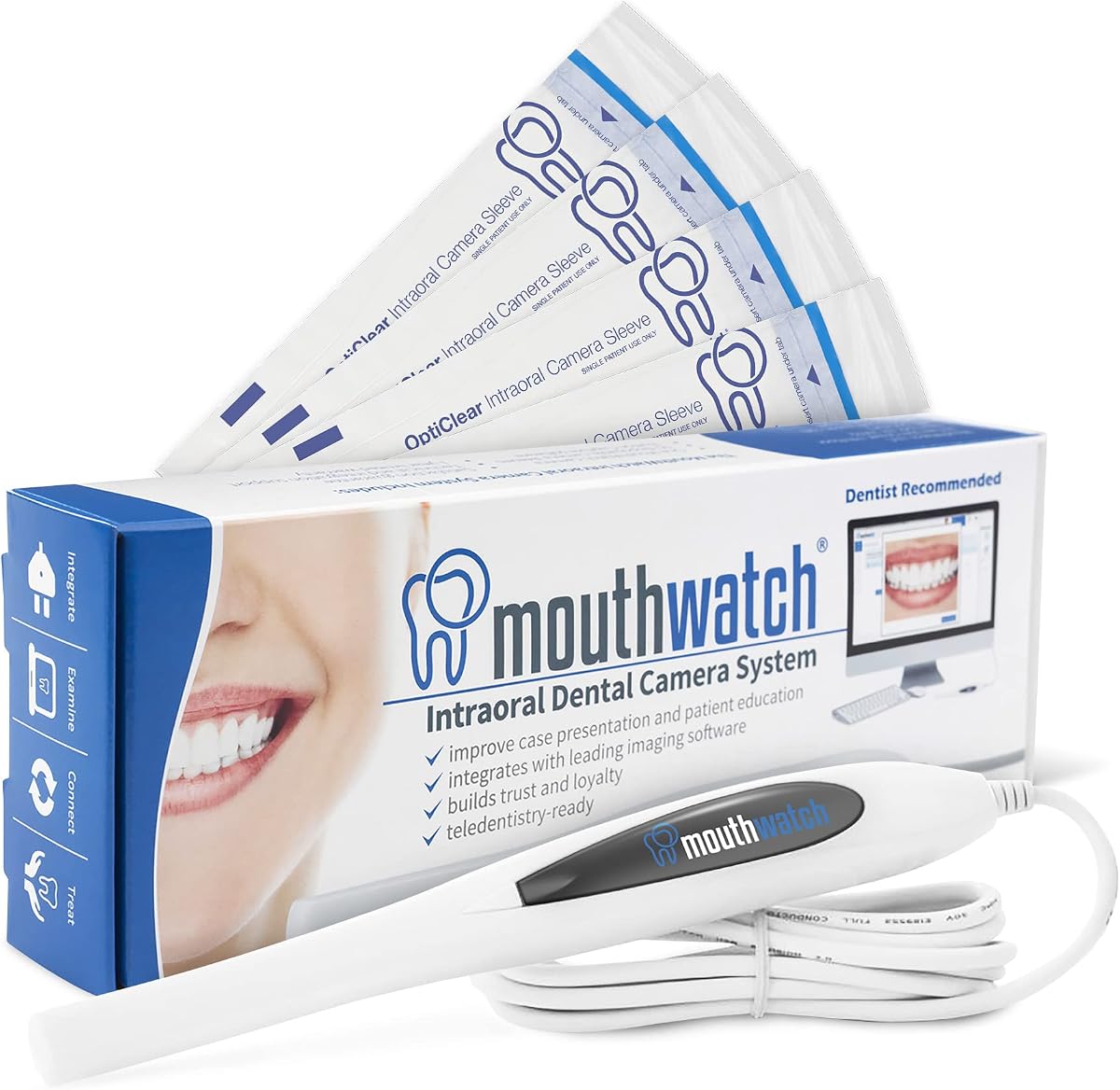
This intraoral camera stands out for its ability to capture crystal clear images without lag. With a rating of 4.4 stars, it is a top choice for professionals needing efficient workflow solutions in their daily practice.
We may earn a commission when you buy through this link, at no additional cost to you.
The fixed focal distance eliminates the frustration of auto-focus hunting, allowing for sharp and focused images every time. The single button operation saves valuable time during patient interactions by saving images directly to charts.
While it requires specific software drivers for some integrations, the included proprietary capture software supports over 50 major imaging solutions. This ensures seamless connectivity with existing clinic systems without major hardware changes.
This camera is ideal for dental professionals who prioritize speed and clarity. The ergonomic design and lightweight build make it comfortable for extended use, ensuring high-quality documentation for every patient case.
The camera comes with proprietary capture software that supports over 50 imaging suites including Eaglesoft and Dexis for smooth workflow.
High-quality images help patients see treatment needs clearly, improving case acceptance through better visual communication.
We may earn a commission when you buy through this link, at no additional cost to you.
The Canon EOS Rebel T7 offers a robust solution for dental photography with its 24.1 Megapixel sensor. Rated at 4.6 stars, it delivers exceptional image quality suitable for detailed clinical documentation and patient presentations.
We may earn a commission when you buy through this link, at no additional cost to you.
Its built-in Wi-Fi and NFC technology allow for effortless sharing of images to smartphones or tablets. This connectivity streamlines communication with patients and lab technicians without needing a computer connection immediately.
While the optical viewfinder provides clear visibility, the system is heavier than dedicated intraoral cameras. However, the flexibility of using various EF lenses makes it a versatile tool for different imaging needs.
This camera is well suited for practices that need high resolution stills beyond just intraoral views. It balances performance and ease of use, making it a reliable choice for various dental photography scenarios.
The 24.1MP sensor captures stunning detail and vibrant colors essential for accurate dental diagnosis and treatment planning.
Built-in Wi-Fi and NFC enable quick transfers to mobile devices for instant sharing and review with patients.
We may earn a commission when you buy through this link, at no additional cost to you.
This bundle provides everything needed to start dental photography with the Rebel T7 including a memory card and bag. With a 4.6 star rating, it ensures a smooth transition into digital dental imaging for beginners or expanding clinics.
We may earn a commission when you buy through this link, at no additional cost to you.
The DIGIC 4+ image processor ensures fast operation and reduced noise even in low light conditions. Paired with the powerful sensor, it captures vibrant colors and sharp details essential for professional documentation.
The inclusion of a shoulder bag and extra accessories adds value but also weight. While not an intraoral device, its versatility allows for broader clinical photography including intraoral and facial shots with lens swaps.
For practices looking for an all-in-one camera solution, this bundle is an excellent starting point. The wireless connectivity and intuitive settings make it easy to use and share images with patients immediately.
Includes essential accessories like a memory card and bag allowing immediate use without additional purchases.
DIGIC 4+ processor ensures reduced noise and fast operation for quick image capture and review.
We may earn a commission when you buy through this link, at no additional cost to you.
The Canon EOS R50 delivers premium performance with its 24.2 Megapixel sensor and advanced dual pixel CMOS AF II. It earns a 4.5 star rating for its ability to capture high-quality images and videos essential for modern dental clinics.
We may earn a commission when you buy through this link, at no additional cost to you.
Its advanced auto focus covers up to 100 percent of the frame with deep learning technology. This ensures sharp images even during fast movements or when capturing video content for patient education and marketing.
While the vari-angle touchscreen and 4K video are excellent for content creation, the price point is higher. However, the versatility for both stills and video makes it a comprehensive tool for digital dental marketing.
This camera is ideal for practices that want to create professional video content alongside clinical photography. The wireless connectivity and intuitive interface make it easy to manage files and share results instantly.
Dual Pixel CMOS AF II with deep learning technology ensures precise tracking of subjects during photography and video.
High-quality 4K video allows for detailed patient education content and clinic marketing materials.
We may earn a commission when you buy through this link, at no additional cost to you.
The Sony ZV-1 is a compact powerhouse with a 20.1 MP 1-inch sensor and a fast 24-70mm lens. Rated 4.3 stars, it offers professional-grade results with natural colors suitable for detailed dental imaging and education videos.
We may earn a commission when you buy through this link, at no additional cost to you.
Its product showcase mode quickly and automatically switches focus to the closest subject, which is useful for highlighting specific dental features. The built-in 3-capsule microphone ensures clear audio for accompanying voiceovers or patient interviews.
The lightweight design under 300 grams makes it easy to carry and use in various settings. However, the fixed lens limits zoom flexibility compared to interchangeable lens systems which might be needed for close-up shots.
This camera is best for creators focused on video content and portability. Its intuitive controls and flip-out screen make it easy to frame shots correctly for professional looking dental photography and video content.
Automatically switches focus to the closest subject ensuring clear shots of dental details and instruments.
3-capsule microphone system isolates voices for clear audio during video documentation and patient interviews.
We may earn a commission when you buy through this link, at no additional cost to you.
This camera features an 88MP high-resolution sensor and 8K video capabilities for stunning clarity. With a 4.0 rating, it offers advanced features like dual lenses and a large touchscreen for intuitive control during content creation.
We may earn a commission when you buy through this link, at no additional cost to you.
The dual lens setup allows for flexible shooting angles making it easy to capture both wide and close-up shots. The built-in 6-axis stabilization ensures steady shots even when moving around the clinic environment.
While the 16X digital zoom is powerful, it is not optical which can reduce image quality at full zoom. However, the included accessories like extra batteries and a charging stand provide convenience for extended shooting sessions.
This option is suitable for creators needing high megapixel counts without breaking the bank. The WiFi transfer and touch screen make it user friendly for sharing images and videos directly to mobile devices quickly.
Front and rear lenses offer flexible shooting angles for selfies and vlogging in various environments.
6-axis stabilization keeps shots steady and blur-free even on the move for professional looking results.
We may earn a commission when you buy through this link, at no additional cost to you.
The DY-50 intraoral camera delivers crystal clear pictures that integrate into most North American imaging software. Rated 4.5 stars, it is designed for seamless integration with systems like Dexis, Eaglesoft, and more with included drivers.
We may earn a commission when you buy through this link, at no additional cost to you.
The capture button driver makes it easy to use directly within existing dental software without extra hardware. The ergonomic design allows for easy pictures from upper and lower capture points ensuring comfortable use for staff.
This camera works on multiple Windows versions including Windows 10 making it compatible with various clinic setups. The anti-fog non-spherical lens ensures clear images without distortion during use in the oral cavity.
Ideal for clinics needing a straightforward and compatible intraoral solution. The included accessories like sheaths and holder ensure hygienic use and quick setup for efficient daily clinical documentation.
Includes a capture button driver that works with major imaging software like Dexis and Eaglesoft for seamless workflow.
Designed for easy handling from upper and lower capture points with an ergonomic shape for comfortable use.
We may earn a commission when you buy through this link, at no additional cost to you.
The DARYOU DY-60 offers 720P HD quality with 4X zoomable capability for detailed dental imaging. Rated 4.3 stars, it is designed to work seamlessly with popular imaging software including Dexis, Apteryx, and Carestream with included drivers.
We may earn a commission when you buy through this link, at no additional cost to you.
Its 4X zoomable feature allows for closer views of dental details without moving the camera too far from the patient. The capture button driver ensures the button works effectively within the software workflow for easy documentation.
Direct USB connection means no extra hardware is required to start using the camera in your system. However, compatibility depends on the software list provided so verification is essential before purchase to ensure seamless operation.
This camera is well suited for clinics needing optical zoom in an intraoral unit. The high definition quality and software integration make it a practical tool for accurate case documentation and patient communication.
4X zoomable lens allows for detailed views of specific dental features without manual repositioning.
Capture button driver included ensures the button works directly within supported imaging software like Dexis.
We may earn a commission when you buy through this link, at no additional cost to you.
This system integrates a 17-inch touchscreen computer with an ultra-slim intraoral camera for a complete imaging solution. Rated 4.0 stars, it delivers high-definition visuals that help identify issues and build patient trust with detailed imagery.
We may earn a commission when you buy through this link, at no additional cost to you.
The WiFi QR code functionality allows for quick transfer of patient photos to any device without cables. This streamlines clinical workflow by enabling efficient documentation and case presentations on the fly during appointments.
The built-in computer switches between full-screen and quad-split views for efficient image comparison. However, as a fixed system it may be less flexible than standalone cameras if clinic needs change in the future.
Ideal for clinics seeking a plug-and-play all-in-one solution. The high-performance image chip and touchscreen interface make it easy to manage patient data and present images effectively during consultations.
17-inch touchscreen computer with HD imaging chip provides a complete solution for clinical documentation.
WiFi QR code functionality lets you transfer photos to any device in seconds without complicated software.
We may earn a commission when you buy through this link, at no additional cost to you.
This dental photography aid provides perfect lighting for showing treatment results to patients. With a rating of 4.6 stars, it is an affordable tool that meets all requirements for dental photography in home or hospital settings.
We may earn a commission when you buy through this link, at no additional cost to you.
The light is equipped with a support bar permitting omni directional shooting for an ideal view inside the mouth. You can adjust brightness from zero to 100 percent using the knob to ensure the best illumination for each shot.
It is suitable for most cell phones as well as for dental photography equipment making it versatile for different setups. The removable handpiece bracket allows you to adjust the angle when taking pictures for flexible positioning.
For those seeking a budget friendly lighting solution this aid is an excellent choice. Its convenience and non-slip handle make it easy to operate and transport for various photography needs in clinical or salon environments.
Fully adjustable brightness from zero to 100 percent ensures optimal illumination for every dental photography situation.
Compatible with most cell phones and dental photography equipment offering flexible options for different users.
We may earn a commission when you buy through this link, at no additional cost to you.
Selecting the right camera for dental photography involves evaluating specific features that impact image quality and workflow efficiency. This guide outlines key factors to consider before making your purchase decision.
Image quality is paramount in dental photography as it directly affects diagnosis and patient communication. Look for cameras with high megapixel counts and good color accuracy to ensure detailed and realistic representations of dental conditions.
Prioritize cameras with sensors that perform well in low light to avoid graininess during intraoral shots.
Ensure the camera works seamlessly with your existing dental imaging software. Many intraoral cameras come with specific drivers and capture buttons that integrate with systems like Dexis or Eaglesoft for smooth workflow.
Check the compatibility list provided by the manufacturer before purchasing to avoid integration issues later.
Dental practices often have busy schedules so ease of use is critical. Cameras with single button capture operations or intuitive interfaces save time during patient interactions and reduce training overhead.
Look for ergonomic designs that make holding the camera comfortable for extended periods during procedures.
Wireless connectivity options like Wi-Fi and Bluetooth allow for quick transfer of images to mobile devices or computers. This feature is essential for sharing results with patients or lab technicians without cables.
USB connectivity is also important for direct connection to clinic computers and reliable data transfer.
Proper lighting is crucial for capturing clear images inside the oral cavity. Consider cameras with built-in flash units or external lighting kits that provide consistent and shadow-free illumination.
Adjustable brightness settings allow you to customize lighting for different angles and treatment needs.
Budget considerations should balance cost with functionality. Dedicated intraoral cameras may be pricier but offer specific features for clinical use while DSLR or mirrorless systems provide versatility at a competitive price.
Evaluate the total cost of ownership including accessories and software licenses when planning your investment.
Reliable customer support and warranty coverage protect your investment. Look for manufacturers offering responsive service and resources to troubleshoot integration or technical issues.
Complimentary lifetime support or accessible help channels are valuable assets for clinical environments.
If you need to transport your equipment for conferences or mobile clinics portability is key. Lightweight and compact cameras are easier to carry and store without compromising image quality.
Consider cameras with included carrying cases or accessories for safe transport.
Always ensure the camera lens is clean before taking images to avoid spots or blur. Use a soft microfiber cloth to gently wipe the lens and check for any moisture that might affect focus.
For intraoral cameras, follow hygiene protocols by using disposable sheaths and disinfecting the device between patients. This protects both patients and staff and extends the lifespan of the equipment.
Store the camera in a dry and cool place when not in use. Avoid exposing the device to extreme temperatures or humidity which could damage internal components or reduce battery life.
The best camera depends on your specific needs. Dedicated intraoral cameras like the Intraoral Camera Crystal Clear Images are ideal for clinical documentation while DSLR options offer versatility for broader photography.
Not all dental cameras work with every software. Always check the compatibility list provided by the manufacturer to ensure it supports your imaging suite like Eaglesoft or Dexis.
Prices vary significantly from affordable lighting aids around fifty dollars to complete systems costing hundreds. Determine your budget and required features before purchasing to find the best value.
Yes, with a dental photography aid lighting kit you can use a smartphone. This is a budget friendly option but ensure proper lighting for clear images.
Yes, many modern dental cameras include Wi-Fi or Bluetooth for wireless transfer. This feature is useful for quick sharing with patients and integrated clinic computers.
Maintain your camera by keeping the lens clean, using sheaths for hygiene, and storing it properly. Regularly check battery levels and update software to ensure optimal performance.
Intraoral cameras are designed specifically for inside the mouth with ergonomic shapes and integration. DSLRs are more versatile but require additional lenses and lighting setups for similar results.
Most dental cameras are designed for ease of use with minimal training. Look for simple controls and single button operations to streamline workflow in busy clinics.
Choosing the right camera for dental photography significantly impacts diagnostic accuracy and patient communication. The options reviewed here offer a range of solutions from dedicated intraoral systems to versatile mirrorless cameras.
Prioritize features like software compatibility, image quality, and ease of use to ensure the camera meets your clinical needs. Consider how the camera integrates into your existing workflow to avoid disruptions.
Prices and availability for these products may vary so verify current details before buying. Investing in the right camera will improve your documentation and patient care overall.