
AIMILER Level 2 Electric Vehicle Charger
4.6Editor score
32 Amp adjustable output
Plug-in NEMA 14-50
ETL safety certified
Compare the top Ev DC Chargers for home and commercial use. This guide reviews speed, compatibility, safety, and smart features for every electric vehicle
Finding the right Ev DC Charger is essential for efficient home charging. Modern stations offer fast speeds, smart app control, and robust safety features. Choosing the correct model ensures your electric vehicle charges quickly and safely every single time.
This comprehensive guide compares ten leading Ev DC Chargers available today. We evaluated charging speeds, cable lengths, smart connectivity, and overall durability. Our analysis covers both plug-in and hardwired options to help you find the perfect fit.
Each pick below highlights key strengths and ideal use cases for different drivers. Read through our detailed reviews to understand what makes each unit stand out. Remember that pricing and availability can change, so verify details before purchasing.
4.6Editor score
4.7Editor score

4.3Editor score
The following table provides a side-by-side overview of the top ten Ev DC Chargers. Use this quick reference to compare amperage, connectivity, and key certifications at a glance before diving into detailed reviews.




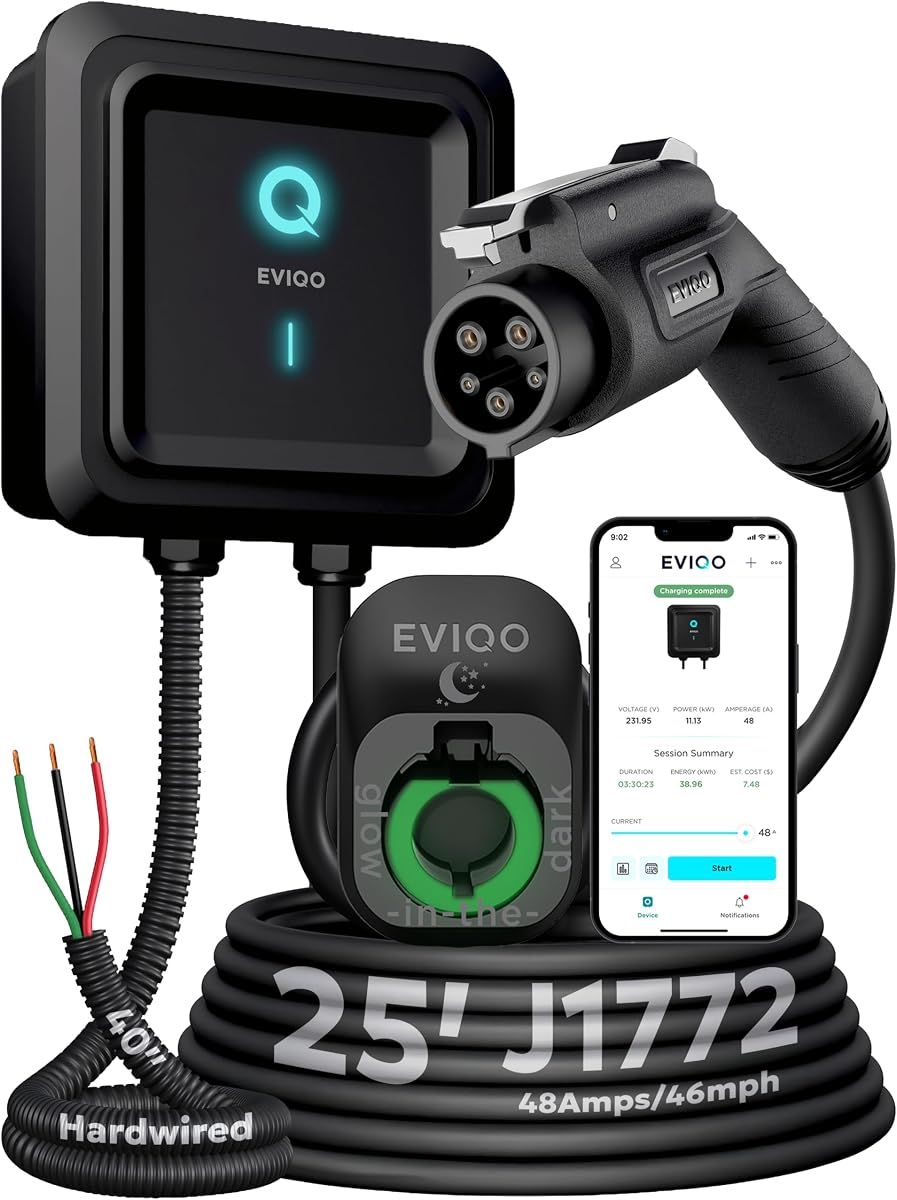
The EVIQO Level 2 EV Charger stands out as a top contender for home charging needs. With a 4.7 rating from verified buyers, this hardwired unit delivers powerful performance. Its standout quality is the reliable connectivity even in signal-challenged areas like basements.
We may earn a commission when you buy through this link, at no additional cost to you.
At 48 Amps, this charger offers near maximum speed for most Level 2 setups. The app allows precise control over amperage and scheduling. You can track energy usage and set reminders. The 25-foot cable ensures flexibility for parking in various spots.
Installation requires a licensed electrician due to the hardwired design. This adds to upfront costs but ensures safety and code compliance. The unit is fully sealed for weather resistance. Some users might find the lack of a plug-in option limiting for portable use.
This charger is ideal for owners who want fast, reliable home charging. It fits Ford, GM, Nissan, and other J1772 vehicles perfectly. For Tesla drivers, an adapter is needed. We recommend it for those prioritizing speed and smart features.
The built-in antenna ensures the charger stays online even in enclosed garages.
Internal steel shielding and IP66 rating protect against environmental hazards.
We may earn a commission when you buy through this link, at no additional cost to you.
The EMPORIA Level 2 EV Charger offers exceptional flexibility for home users. It can be configured as hardwired or uses a NEMA 14-50 plug. With a 4.7 rating, it balances power and convenience effectively. This dual-mode capability is rare in this category.
We may earn a commission when you buy through this link, at no additional cost to you.
Charging speeds reach up to 48 Amps when hardwired. The app provides real-time energy data and scheduling options. You can optimize utility rates to save money. The unit meets strict safety standards like UL and NEC codes. This ensures peace of mind for daily use.
Using the plug option adds a slight amount of resistance. For maximum speed, hardwiring is the better choice. Installation still requires an electrician to meet code requirements. Ensure your panel supports the required circuit before purchasing. This adds complexity compared to simple plug-in units.
This charger suits drivers who want both speed and flexibility. It works with all North American EVs. The robust certification makes it safe for long-term use. We suggest it for homeowners planning future upgrades or needing specific plug types.
Choose between hardwired for max speed or plug-in for easy removal.
App features help track usage and manage costs efficiently.
We may earn a commission when you buy through this link, at no additional cost to you.
The AIMILER Level 2 EV Charger provides an excellent entry point into Level 2 charging. Rated 4.6 by users, it offers solid performance at a lower cost. The standout feature is its adjustable amperage. This allows customization based on your home's electrical capacity.
We may earn a commission when you buy through this link, at no additional cost to you.
It operates at up to 32 Amps for a 40A circuit. The app lets you schedule charging and monitor energy use. You can set specific start times to avoid peak rates. The 25-foot cable is durable and resistant to drops. This ensures it lasts through daily handling.
Setup involves connecting to a NEMA 14-50 outlet. Some users report occasional issues with the WiFi connection. Resetting the device usually resolves these problems. It is not ideal for very large batteries requiring higher speeds. But for most daily commuters, it works perfectly.
This charger is perfect for budget-conscious drivers. It covers all major non-Tesla brands. Tesla owners need an adapter. We recommend it for those needing a reliable plug-in station without overspending on premium features.
High value pricing makes Level 2 charging accessible to more homeowners.
Adjust amperage to match your electrical panel's limits easily.
We may earn a commission when you buy through this link, at no additional cost to you.
The ChargePoint HomeFlex EV Charger offers a trusted brand experience for home charging. With a 4.3 rating, it delivers reliable service backed by decades of industry presence. Its standout feature is access to the ChargePoint network. This helps if you drive between regions often.
We may earn a commission when you buy through this link, at no additional cost to you.
It supports up to 50 Amps when hardwired. The app connects your home charger to broader utility data. You can manage charging sessions remotely. The cable is cold-resistant and durable for year-round use. This ensures performance in harsh weather conditions.
The unit is pricier than many competitors. Some users find the app less intuitive than others. It may not offer the fastest speeds for every model. But the network benefits can outweigh costs for frequent travelers. Ensure you have the right circuit breaker installed.
This charger suits drivers who value brand trust. It works with all J1772 vehicles. Tesla users need an adapter. We recommend it for those who want integration with a public charging ecosystem.
Home charging integrates with public stations across North America.
Cold-resistant cable prevents cracking in freezing temperatures.
We may earn a commission when you buy through this link, at no additional cost to you.
The Autel Level 2 EV Charger brings automotive expertise to home charging. Rated 4.4 by buyers, it is designed for high reliability. The standout feature is its robust build. It withstands extreme temperatures and weather conditions effectively.
We may earn a commission when you buy through this link, at no additional cost to you.
It delivers up to 50 Amps for fast charging. The app allows remote control and scheduling. You can optimize off-peak charging for savings. The cable remains flexible even in cold weather. This prevents physical stress during daily use.
It requires hardwiring which needs professional help. The app updates help keep features current. Some users report connectivity glitches that resets fix. But overall performance remains stable over time. This ensures long-term satisfaction for daily charging needs.
This charger is ideal for owners of large SUVs. It works with all major J1772 vehicles. Tesla drivers need an adapter. We recommend it for those needing a durable hardwired unit.
NEMA Type 4 rating protects against snow, rain, and dust.
50 Amps provides sufficient speed for most EVs overnight.
We may earn a commission when you buy through this link, at no additional cost to you.
The IYILO Level 2 EV Charger brings unique smart features to the market. Rated 4.6 by users, it focuses heavily on safety and utility integration. The standout feature is its connector temperature monitoring. This adds a layer of safety for long charging sessions.
We may earn a commission when you buy through this link, at no additional cost to you.
It supports up to 40 Amps. The app includes advanced features like power sharing. You can run two chargers on one circuit safely. It also connects with local utility programs for rebates. This saves money for participating regions.
It only supports 2.4 GHz WiFi networks. Ensure your home router settings match this requirement. Newer brands may lack long-term track records. But rigorous testing ensures safety standards are met. This makes it a compelling option for tech-savvy users.
This charger suits those needing utility integration. It works with all J1772 cars. Tesla users need an adapter. We recommend it for owners in specific utility zones.
Real-time connector temperature alerts prevent potential overheating.
Run two chargers on one circuit without overloading your home.
We may earn a commission when you buy through this link, at no additional cost to you.
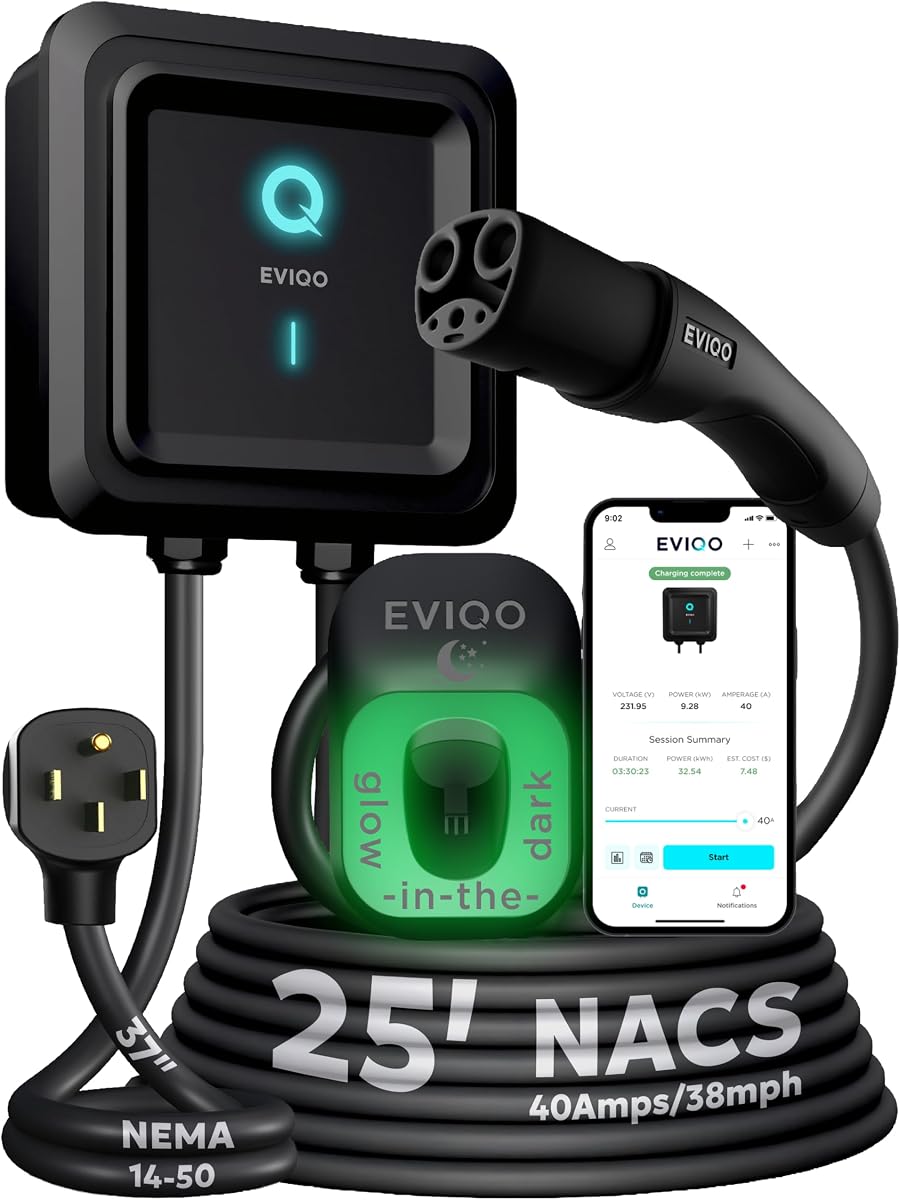
This Level 2 EV Charger is specifically designed for Tesla vehicles. With a 4.7 rating, it eliminates the need for adapters for most new Teslas. The standout feature is the built-in NACS connector. This simplifies daily charging for Model S, 3, X, and Y owners.
We may earn a commission when you buy through this link, at no additional cost to you.
It delivers up to 40 Amps for reliable speeds. The app supports scheduling and energy tracking. You can monitor costs and set reminders. The unit is IP66 rated for all-weather use. This ensures it lasts outdoors without damage.
Non-Tesla vehicles require an adapter which is not included. This limits its versatility compared to universal chargers. However, for dedicated Tesla owners, it offers a seamless experience. Ensure your outlet matches the NEMA 14-50 standard. This prevents compatibility issues.
This charger is perfect for Tesla owners. It fits seamlessly into existing setups. We recommend it for those prioritizing convenience and specific port access.
Direct NACS connection removes the need for extra adapters.
Remote start and stop options add convenience to daily use.
We may earn a commission when you buy through this link, at no additional cost to you.
The Autel MaxiCharger Level 2 EV Charger is the high-end choice for power. With a 4.3 rating, it delivers unmatched speed at 80 Amps. The standout feature is its AI-driven app. This helps optimize energy use intelligently and efficiently.
We may earn a commission when you buy through this link, at no additional cost to you.
It supports up to 19.2 kW charging speeds. This adds about 70 miles of range per hour. The dual-network system ensures constant online access. You can manage access remotely if sharing. The design targets a decade of reliable life.
It requires a 100 Amp circuit which is rare. Most homes cannot support this without major upgrades. The cost is higher than standard options. But for high-performance needs, nothing else matches. This is a niche product for specific setups.
This charger suits large battery EVs. It works with all J1772 cars. Tesla users need an adapter. We recommend it for those needing maximum possible home speed.
Smart algorithms manage charging based on utility rates.
Dual Wi-Fi and Wi-SUN ensure constant connection.
We may earn a commission when you buy through this link, at no additional cost to you.
This Autel Level 2 EV Charger is a robust hardwired solution. Rated 4.4 by buyers, it balances performance and safety. The standout feature is its dual connectivity. This ensures flexible setup options for different networks.
We may earn a commission when you buy through this link, at no additional cost to you.
It delivers up to 50 Amps for fast charging. The app supports scheduling and energy tracking. You can optimize charging times. The unit is weatherproof for outdoor use. This ensures it lasts through harsh conditions.
It requires hardwiring which means professional help. The cable stays flexible in cold weather. Some updates may vary by region. But reliability remains high for daily use. This ensures consistent performance for your vehicle.
This charger is ideal for standard home setups. It works with all J1772 vehicles. Tesla users need an adapter. We recommend it for those needing a reliable hardwired option.
Wi-Fi and Bluetooth allow flexible access options.
Outdoor-ready design withstands various weather conditions.
We may earn a commission when you buy through this link, at no additional cost to you.
The AIMILER Level 2 EV Charger offers high power in a plug-in format. With a 4.6 rating, it delivers 48 Amps. The standout feature is its adjustable settings. This allows fine-tuning based on your home's needs.
We may earn a commission when you buy through this link, at no additional cost to you.
It supports up to 11.5 kW charging speed. The app provides remote control and energy tracking. You can schedule charging for off-peak times. The cable is military-grade for durability. This ensures it resists daily wear.
It requires a specific NEMA 14-50 outlet. Some users find setup instructions complex. But once running, performance is solid. It fits most major EV brands well. This makes it a strong choice for flexible charging.
This charger is ideal for those needing speed without hardwiring. It works with all J1772 vehicles. Tesla users need an adapter. We recommend it for those wanting 48 Amps via plug.
Delivers near-hardwired speeds with plug-in convenience.
Remote control ensures flexibility for all users.
We may earn a commission when you buy through this link, at no additional cost to you.
Selecting the right Ev DC Charger involves considering multiple technical and practical factors. This section explains what to look for to ensure compatibility and safety.
Charging speed depends on amperage output and vehicle acceptance rates. Most home chargers range from 16 Amps to 50 Amps. Higher amperage delivers more range per hour. Ensure your electrical panel can support the required load.
Check your car's onboard charger capacity. If it supports 40 Amps but the charger offers 50, you only get 40. Matching specs prevents overbuying. Look for adjustable amperage settings for flexibility.
Hardwired units usually offer higher maximum output and are safer for 48 Amps or higher. Plug-in models use NEMA 14-50 outlets and are easier to move. Consider if you plan to relocate the charger in the future.
Hardwiring requires an electrician. Plug-in units require a specific outlet. Both need dedicated circuits. Assess your current panel and wiring capabilities before buying.
Most non-Tesla EVs use J1772 connectors. Tesla models now often use NACS ports. Ensure the charger matches your car's port. Adapters are available for cross-compatibility.
Universal J1772 covers Ford, Chevy, Hyundai, and more. Check if your vehicle requires specific adapters. This avoids unnecessary purchases later.
Smart chargers connect via WiFi to allow remote control. You can schedule charging times and track energy usage. Look for app features like usage reports and notifications. Some integrate with utility programs.
Ensure your home WiFi supports 2.4 GHz networks. Some units offer Bluetooth too. Good app design improves usability. Check for OTA updates to keep features current.
Look for certifications like ETL, UL, or CSA. These ensure the unit meets safety standards. Weatherproof ratings like IP66 or NEMA Type 4 are vital for outdoor use. Safety features include overheat and overcurrent protection.
Avoid uncertified units to prevent electrical hazards. Certified units are eligible for rebates. Check local regulations for required approvals.
A 25-foot cable is standard for most garages. Ensure it reaches your parking spot comfortably. Look for flexible cables that work in cold weather. Durable connectors resist wear and tear.
Thick cables handle higher amperage better. Some include holsters to protect the plug. Proper handling extends the charger's life.
Most chargers come with 3 to 5-year warranties. This covers defects and electronics. Check if support is available in your region. Reliable service prevents downtime.
Look for warranty terms that cover outdoor use. Good support saves money on repairs. Prioritize brands with established service histories.
Prices range from budget to premium options. Factor in installation costs when comparing. Some utilities offer rebates for specific models. Check for federal tax credits that apply.
Higher initial cost might mean long-term savings. Consider total cost of ownership. Use rebates to offset the price.
Start by ensuring your electrical panel meets the charger's requirements. Hire a licensed electrician for hardwired setups. For plug-in units, confirm your outlet is correctly installed and dedicated.
Connect your vehicle securely to the J1772 or NACS plug. Use the app to schedule charging sessions during off-peak hours. Monitor energy usage to track costs and adjust settings as needed.
Keep the cable and connector clean and dry when not in use. Store the plug in a holster to prevent damage. Perform regular checks on the app for firmware updates and system alerts.
Most hardwired units require a licensed electrician to meet electrical codes safely. Plug-in models need a dedicated NEMA 14-50 outlet which also typically requires professional wiring. Always check local regulations before DIY installation.
Standard J1772 chargers require an adapter for older Teslas. Newer models with NACS ports connect directly to NACS chargers. Check your car's specific connector type before buying.
The difference lies in circuit breaker requirements and outlet types. 50 Amp units usually use a NEMA 14-50 plug while 48 Amp hardwired units use a dedicated 60 Amp circuit. Both offer similar charging speeds.
Charging time depends on battery size and charging speed. A 50 Amp charger adds about 30 miles per hour. A 16 Amp charger adds about 10 miles per hour. Check your car's capacity for estimates.
No, Level 2 charging requires a 240V outlet. Standard 120V outlets are Level 1. You need a dedicated circuit with the correct amperage. This ensures safe and fast charging.
Many utilities and governments offer rebates for certified Level 2 chargers. Check local programs for eligible brands. Ensure the unit is certified and installed correctly to qualify.
The EVIQO Level 2 EV Charger stands out as the top overall pick for speed and reliability. The AIMILER Level 2 EV Charger offers great value for budget-conscious buyers.
Prioritize safety features like ETL certification and weather resistance when making your choice. Ensure the amperage matches your home's electrical capacity.
Prices and availability may change so always verify details before purchasing. A good Ev DC Charger enhances your daily driving experience significantly.