
Apple 2026 MacBook Pro
4.7Editor score
M5 Pro chip architecture
24GB Unified Memory
Neural Accelerator cores
Machine learning demands powerful hardware capable of handling complex algorithms and massive datasets. Choosing the right laptop involves balancing processing speed, memory capacity, and graphics performance to ensure smooth training and inference workflows.
We evaluated ten top-rated models based on their ability to run neural networks, handle large-scale data processing, and maintain stability under heavy loads. Each device was scrutinized for its CPU architecture, GPU capabilities, and overall system efficiency.
Every selection includes detailed specs and real-world performance insights to guide your decision. Prices and availability fluctuate frequently, so check current listings before purchasing to ensure you get the best value for your specific workload requirements.
4.7Editor score

5.0Editor score

4.9Editor score
As an Amazon Associate we earn from qualifying purchases.
This comparison table provides a quick overview of the critical specifications for each laptop, helping you identify which model aligns best with your machine learning and data science objectives.



This workstation leads the category with exceptional power designed for heavy data science tasks. Its rating reflects high satisfaction from professionals needing reliable performance for complex simulations and training pipelines.
We may earn a commission when you buy through this link, at no additional cost to you.
The 128GB RAM allows handling massive datasets without swapping, while the RTX 3500 GPU accelerates parallel processing significantly. The Intel Core i9 processor ensures rapid compilation and execution of algorithms.
The weight and battery life are trade-offs for this level of raw power. However, for stationary or occasional mobile use, the performance gains justify the extra bulk and power draw.
Buy this if you require workstation-grade reliability and maximum memory bandwidth. It is the ideal choice for engineers and data scientists managing large-scale enterprise projects.
With 128GB of RAM, you can load entire training sets into memory, reducing I/O bottlenecks and speeding up iteration cycles significantly.
The NVIDIA RTX 3500 provides certified drivers for professional applications, ensuring stability and performance during intense graphical computations and rendering tasks.
We may earn a commission when you buy through this link, at no additional cost to you.
This model delivers high performance with the efficiency of Apple Silicon. Its rating highlights user appreciation for balanced power and portability in a professional machine learning environment.
We may earn a commission when you buy through this link, at no additional cost to you.
The M5 Pro chip includes dedicated Neural Accelerators that boost inference speeds on-device. The unified memory architecture ensures fast data sharing between CPU and GPU cores.
The memory is soldered, limiting future upgrades, and some CUDA-only libraries may need compatibility checks. Still, its speed and battery life make it ideal for remote work.
Choose this for mobile workflows requiring high efficiency and premium build quality. It suits developers working on inference tasks or light training needing long unplugged sessions.
Built-in Neural Accelerators on every core enhance AI tasks, enabling faster on-device training and inference without relying heavily on cloud resources.
Optimized power management allows sustained performance during travel, ensuring your workflow continues uninterrupted even when away from a power source.
We may earn a commission when you buy through this link, at no additional cost to you.
This laptop offers exceptional value for entry-level machine learning tasks. Its high rating stems from offering robust specs like 48GB RAM at an accessible price point for students and hobbyists.
We may earn a commission when you buy through this link, at no additional cost to you.
The Intel Core i9 processor provides strong multi-core speeds necessary for data preprocessing. The 2TB SSD ensures you have space for large datasets and model checkpoints.
Without a dedicated GPU, training deep networks locally is slow. However, for data manipulation and inference on cloud APIs, this setup is efficient and cost-effective.
Buy this if you need a powerful machine for data analysis without breaking the bank. It is perfect for learning ML concepts and handling CPU-bound workloads effectively.
You get nearly workstation-level RAM capacity for a fraction of the cost, making it accessible for those starting their data science journey.
Optimized for next-gen AI workloads, the processor supports modern instruction sets that accelerate common machine learning operations and simulations.
We may earn a commission when you buy through this link, at no additional cost to you.
This workstation balances power and form factor well. It receives high marks for its advanced memory technology and reliability in professional workflows requiring consistent performance.
We may earn a commission when you buy through this link, at no additional cost to you.
CAMM memory reduces Z height and improves routing, allowing for faster data transfer rates. The i9 processor handles demanding workloads with ease for data science tasks.
The 32GB RAM is standard but may fill up quickly with huge datasets. Without a discrete GPU, deep learning training relies on external accelerators or cloud resources.
It is a solid choice for engineers needing a durable system with upgrade potential. Consider it for general computing and light ML tasks where stability is key.
CAMM architecture overcomes SODIMM limits, enabling faster RAM speeds and thinner profiles for more efficient thermal and power management.
Built with enterprise-grade components, it ensures reliable operation in demanding office or field environments over extended periods of use.
We may earn a commission when you buy through this link, at no additional cost to you.
A top-tier option with significant memory for large in-memory data processing. Its features cater to professionals requiring massive storage for extensive local datasets and heavy computations.
We may earn a commission when you buy through this link, at no additional cost to you.
The RTX 3500 enables GPU acceleration for rendering and simulation tasks. This model ensures you can run multiple applications simultaneously without performance degradation.
The 1TB SSD limits storage compared to the 2TB version, which may require external drives for massive archives. The price reflects its premium configuration and capabilities.
Choose this for heavy-duty data science and engineering applications needing maximum RAM. It supports complex workflows where memory constraints are a major bottleneck.
12GB VRAM supports rendering and simulation workloads, providing stability and speed for specialized engineering and design software.
128GB RAM capacity eliminates bottlenecks during data loading, allowing for seamless processing of vast datasets locally.
We may earn a commission when you buy through this link, at no additional cost to you.
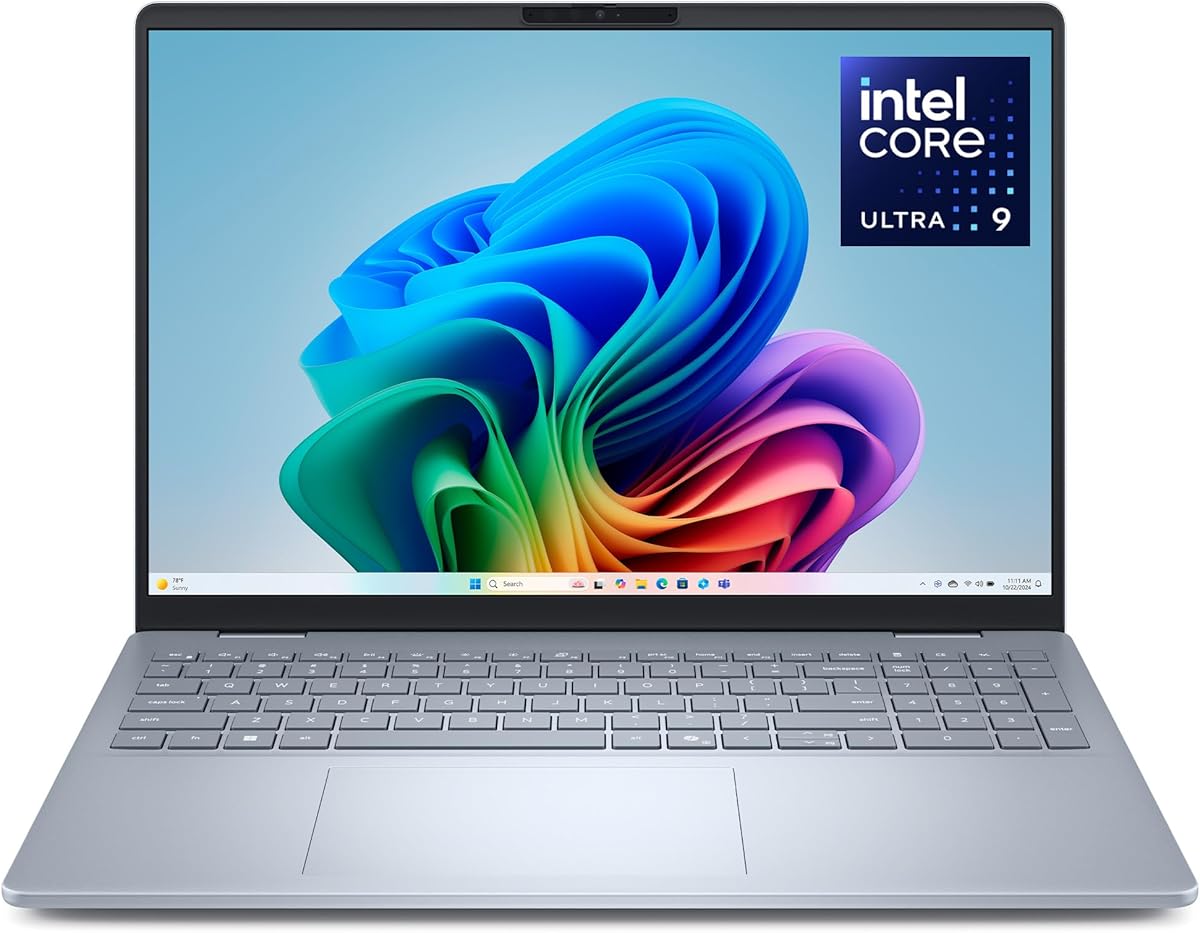
This device focuses on the latest client compute engines for AI experiences. It scores well for integrating modern AI tools and providing a visually sharp display for data visualization.
We may earn a commission when you buy through this link, at no additional cost to you.
The Intel Core Ultra 9 brings built-in NPUs for faster local inference. The QHD+ screen helps in analyzing detailed charts and graphs accurately during sessions.
While efficient for daily tasks, it lacks the raw horsepower for heavy training compared to dedicated workstations. Battery efficiency is a key benefit here.
Ideal for users prioritizing mobility and efficiency over raw speed. It works well for data entry, visualization, and light machine learning inference tasks.
Engineered for the newest AI experiences, the processor delivers ultimate power efficiency and optimized performance for modern software.
The QHD+ panel provides expansive real estate for multitasking, enhancing clarity for complex data sheets and side-by-side windows.
We may earn a commission when you buy through this link, at no additional cost to you.
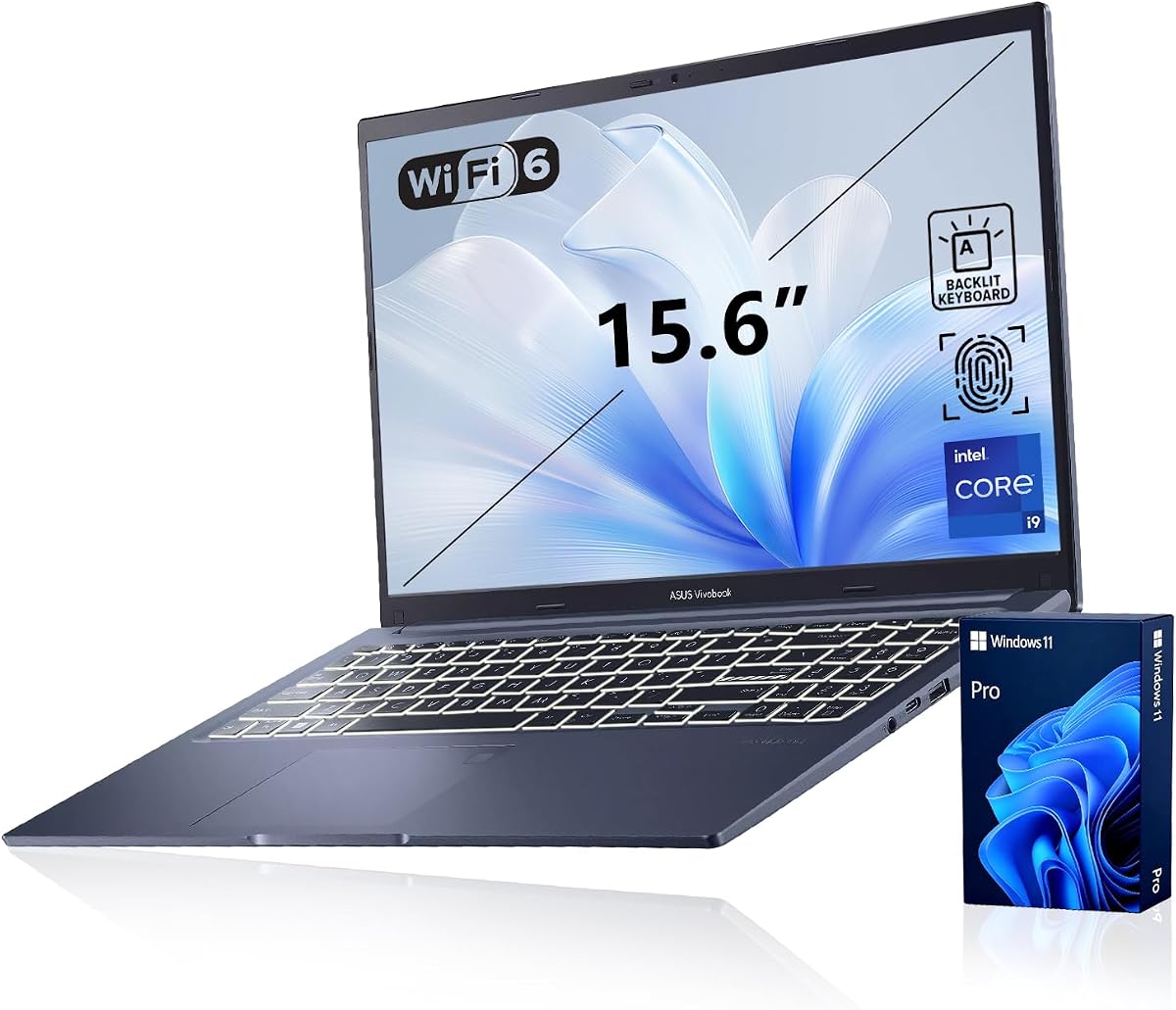
Highly rated for its flexibility in RAM and storage configurations. This model offers a cost-effective way to get high specs without the cost of custom workstation builds.
We may earn a commission when you buy through this link, at no additional cost to you.
The i9 processor supports parallel tasks well, essential for compiling code and running local servers. Security features like the fingerprint reader add convenience.
The display is functional but not specialized for color work. Performance is strong for general purpose computing and entry-level machine learning tasks.
Perfect for users needing specific RAM amounts without overpaying. It serves students and professionals who need reliable hardware for data processing.
Choose RAM and storage levels tailored to your needs, offering versatility for different stages of ML development and storage requirements.
Physical webcam shields and fingerprint readers provide robust data protection, ensuring privacy for sensitive development environments.
We may earn a commission when you buy through this link, at no additional cost to you.
A lightweight contender offering powerful AI capabilities in a portable form. Its rating reflects strong user satisfaction with its performance-to-weight ratio and screen quality.
We may earn a commission when you buy through this link, at no additional cost to you.
The M5 chip delivers fluid app switching and good speed for light ML inference. The 15.3 inch screen provides ample space for viewing code and results.
Thermal throttling may occur during prolonged heavy loads. For quick tasks and cloud-based training, it is an excellent tool for mobile developers.
Buy this for on-the-go development and casual learning. It suits those who prioritize portability and battery life over raw local computing power.
The thin and light design packs blazing speed and powerful AI capabilities, making it ready for tasks anywhere without bulky hardware.
Wi-Fi 7 ensures fast wireless connections, crucial for accessing remote servers and cloud-based datasets efficiently.
We may earn a commission when you buy through this link, at no additional cost to you.
This compact model is ideal for students and professionals on the move. It earns high marks for its efficiency and ability to handle daily tasks smoothly.
We may earn a commission when you buy through this link, at no additional cost to you.
The M5 chip provides sufficient power for coding and basic data analysis. Its small footprint makes it easy to carry for meetings and classes.
Screen real estate is limited for complex dashboards. It is best for writing code and managing workflows rather than heavy local processing.
Select this for maximum mobility and battery efficiency. It supports basic ML concepts learning and remote development work well.
Packs blazing speed and powerful AI capabilities into an incredibly portable design ready for anywhere.
Delivers incredible battery life so you can power through a full day of classes without worrying about plugging in.
We may earn a commission when you buy through this link, at no additional cost to you.
This model offers a balance of screen size and professional power. It is suited for tasks requiring precise visual details and stable compute performance.
We may earn a commission when you buy through this link, at no additional cost to you.
The RTX 3500 provides reliable acceleration for specialized software. The 17.3 inch screen aids in multi-window workflows for complex data analysis.
Weight may be a drawback for frequent travelers. For a fixed setup or occasional travel, it delivers robust performance for engineering and data work.
Choose this for a stationary workstation with high reliability. It supports demanding applications where screen real estate and GPU stability are crucial.
The large FHD display delivers sharp visuals suitable for detailed engineering design and extensive data visualization work.
ISV certifications ensure dependable compatibility with professional applications, offering reliability for mission-critical workflows.
We may earn a commission when you buy through this link, at no additional cost to you.
Selecting the right laptop for machine learning requires careful consideration of hardware components that directly impact performance and workflow efficiency.
The CPU handles preprocessing and logic operations. For ML, prioritize multi-core Intel Core i7/i9 or AMD Ryzen processors to speed up data cleaning and model training loops.
Focus on high clock speeds and core counts to handle parallel data processing efficiently.
GPUs are essential for accelerating deep learning training. Look for NVIDIA RTX cards with ample VRAM (12GB+) to ensure smooth execution of neural network models.
Prioritize professional NVIDIA GPUs for stability and compatibility with specialized data science software.
Memory size determines how much data can be processed locally. Aim for at least 32GB for moderate workloads and 64GB or more for handling massive datasets without crashing.
Ensure sufficient RAM to prevent swapping to disk during intensive data loading and manipulation tasks.
Fast NVMe SSDs reduce data loading times significantly. Choose drives with at least 1TB capacity to store large datasets and multiple versions of models efficiently.
Opt for high-speed NVMe storage to minimize I/O bottlenecks during training cycles.
A high-resolution screen helps in analyzing complex graphs and code. Aim for QHD or higher resolution to view multiple windows comfortably.
Choose a display with good color accuracy for visualizing data trends effectively.
Thermal throttling slows down processing during long training sessions. Look for laptops with advanced cooling technologies to maintain peak performance.
Ensure the cooling system is robust to sustain performance under heavy load without overheating.
Ports like USB-C and Thunderbolt allow connection to external GPUs or storage. Wi-Fi 6E ensures fast data transfer for cloud-based workflows.
Prioritize versatile connectivity to support external peripherals and high-speed network access.
For mobile professionals, long battery life is crucial. While heavy training drains battery, look for efficiency-focused chips for uninterrupted on-the-go development.
Choose models with efficient power management to maintain productivity away from outlets.
Set up your development environment with virtual environments to manage dependencies effectively. Use tools like Docker to ensure reproducible environments across machines.
Keep your system clean and free of dust to maintain optimal airflow. Regularly clean vents to prevent overheating during intensive computation sessions.
Schedule regular backups for your datasets and models to avoid data loss. Use cloud storage solutions to synchronize work across multiple devices.
A dedicated GPU accelerates training significantly for deep learning models. For basic tasks like regression or decision trees, a strong CPU might suffice, but neural networks benefit greatly from GPU parallelism.
Thirty-two gigabytes is a safe baseline for most modern workflows. However, working with large datasets in memory may require 64GB or 128GB to avoid performance bottlenecks.
Modern Apple Silicon Macs are highly optimized for AI tasks with Neural Engines. While CUDA libraries are limited, many frameworks support Metal for efficient performance on macOS.
Workstations offer better thermal management and stable drivers for professional software. They provide higher reliability and longer support cycles essential for long-term projects.
NVMe SSDs offer the fastest read/write speeds, reducing data loading time. Faster storage ensures your GPU stays fed with data, preventing idle time during training.
Every three to four years is typical as software requirements grow. Regular upgrades ensure compatibility with the latest libraries and efficient processing of new algorithms.
We have highlighted top models like the Dell Precision 7780 and MacBook Pro that excel in performance and efficiency for various workloads.
Prioritize your specific needs such as RAM size or GPU power to ensure your device matches your daily computing tasks effectively.
Always check current pricing and availability before making a purchase to secure the best deal for your budget and technical requirements.